

In a nutshell
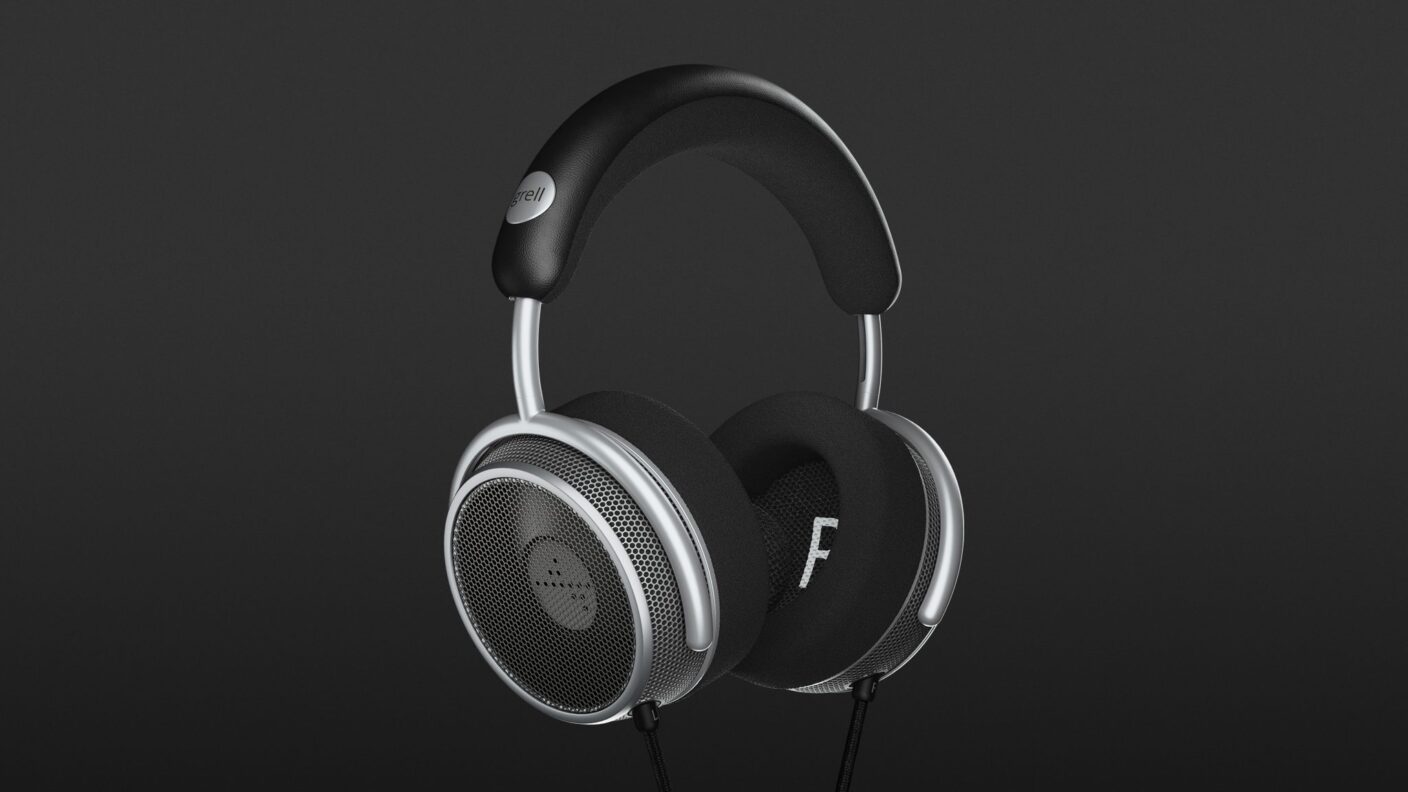
The Grell OAE2 stand out thanks to an independent and innovative acoustic concept based on FSFM technology and an exceptionally open design. Sound reaches the ear diagonally from the front, similar to natural free-field listening. The result is a full, warm and three-dimensional listening experience that may initially feel unfamiliar, but becomes increasingly accessible after a short period of acclimatisation.
Vorteile:
-
Vivid sound
-
Independent, innovative acoustic concept
-
Sustainable, modular design
-
Cable routing possible on one or both sides
-
Optional microphone arm available
-
Case
Nachteile:
-
Relatively tight fit
-
Slightly stiff size adjustment
Grell OAE2 & Grell OAE1: the differences
While the Grell OAE1 has so far been available exclusively via the US-based e-commerce platform drop.com, the “Open Around Ear” concept of the Grell OAE2 now enters the regular retail market. Development focused on optimising wearing comfort and adjustability, alongside a fine-tuning of the sound reproduction. Both models share the low impedance of 38 ohms, making them versatile and suitable for use with mobile devices.
Design of the Grell OAE2
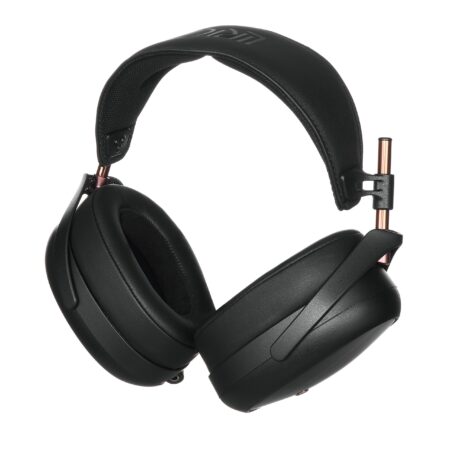
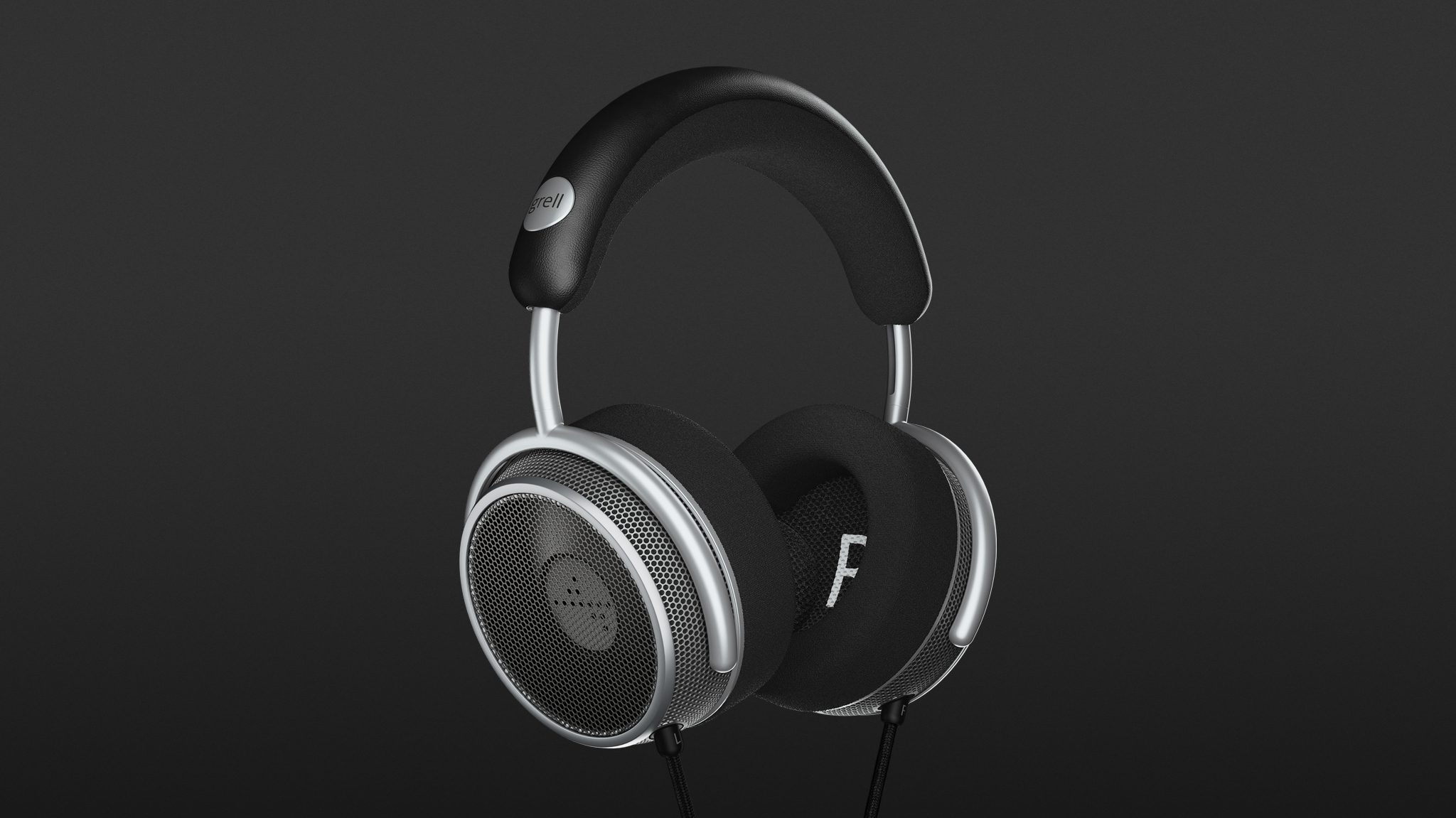
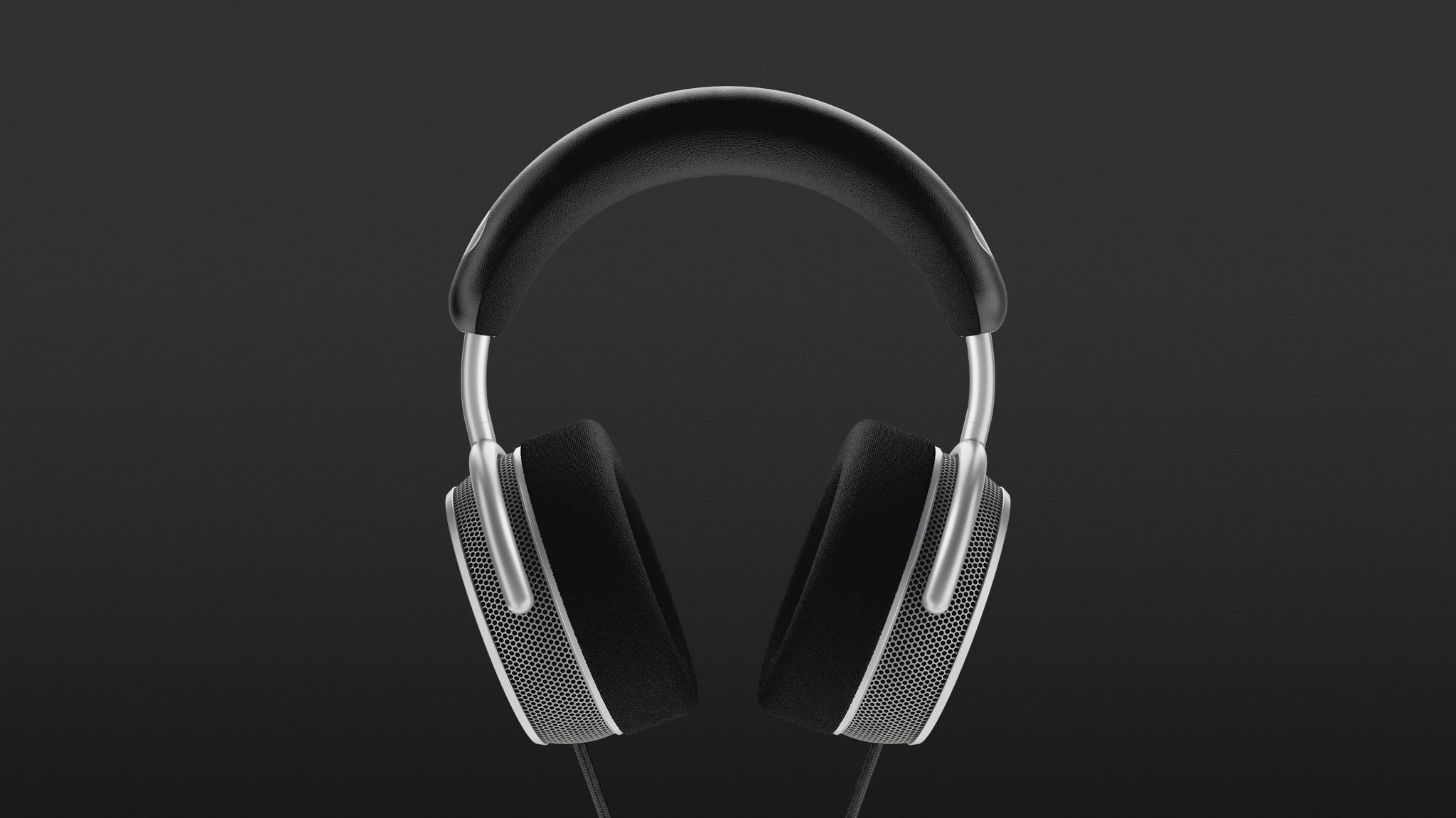
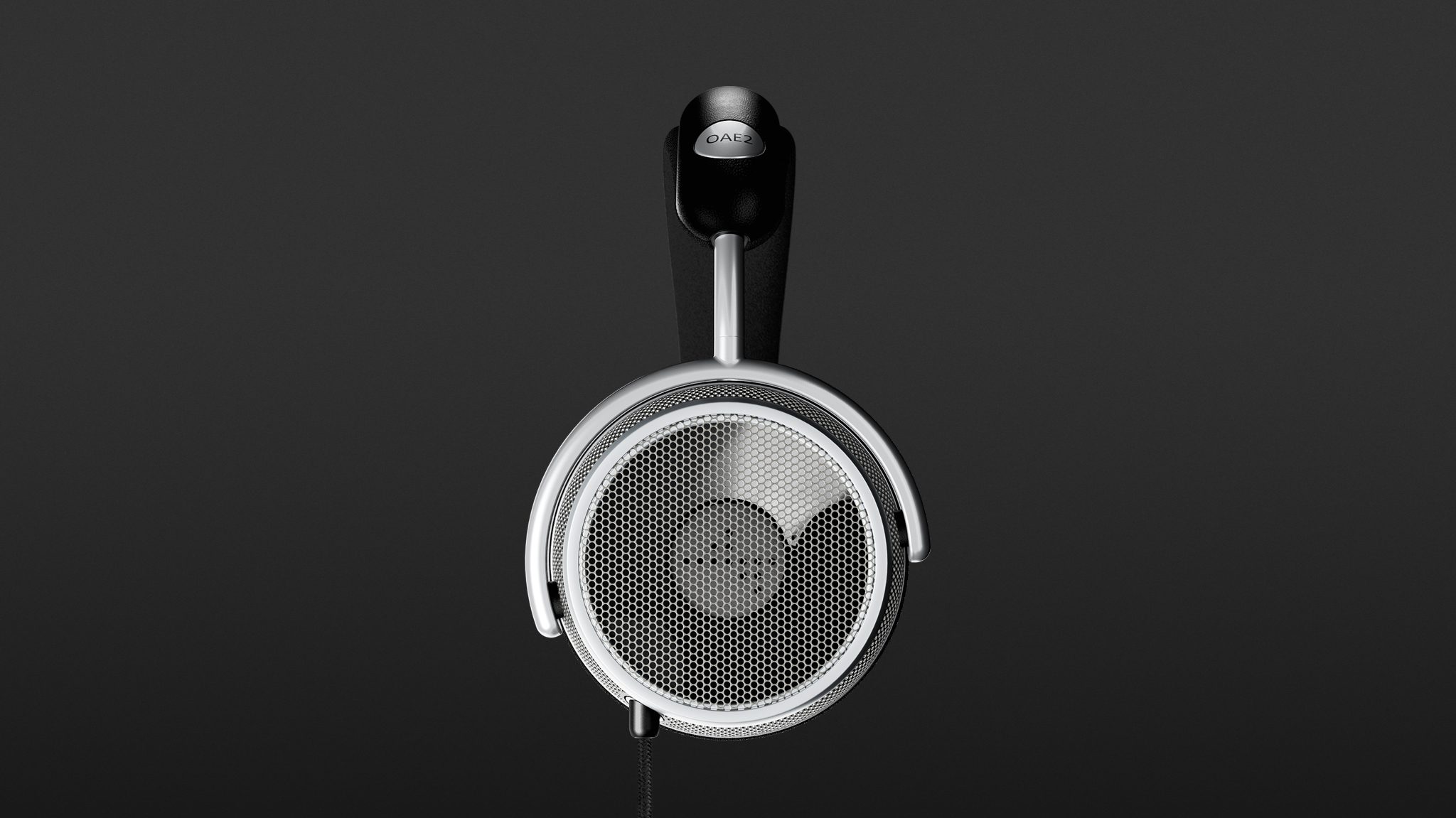
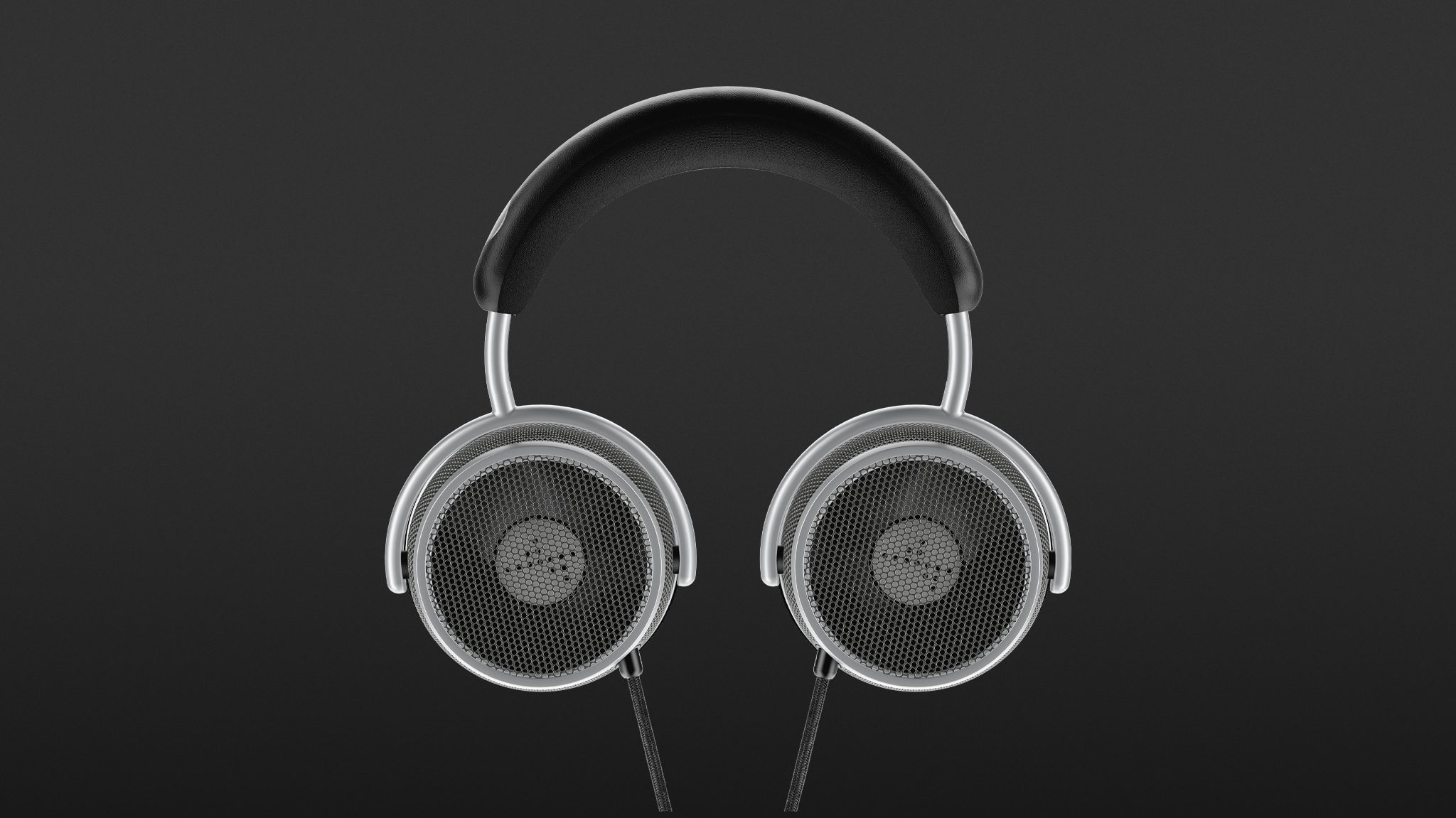
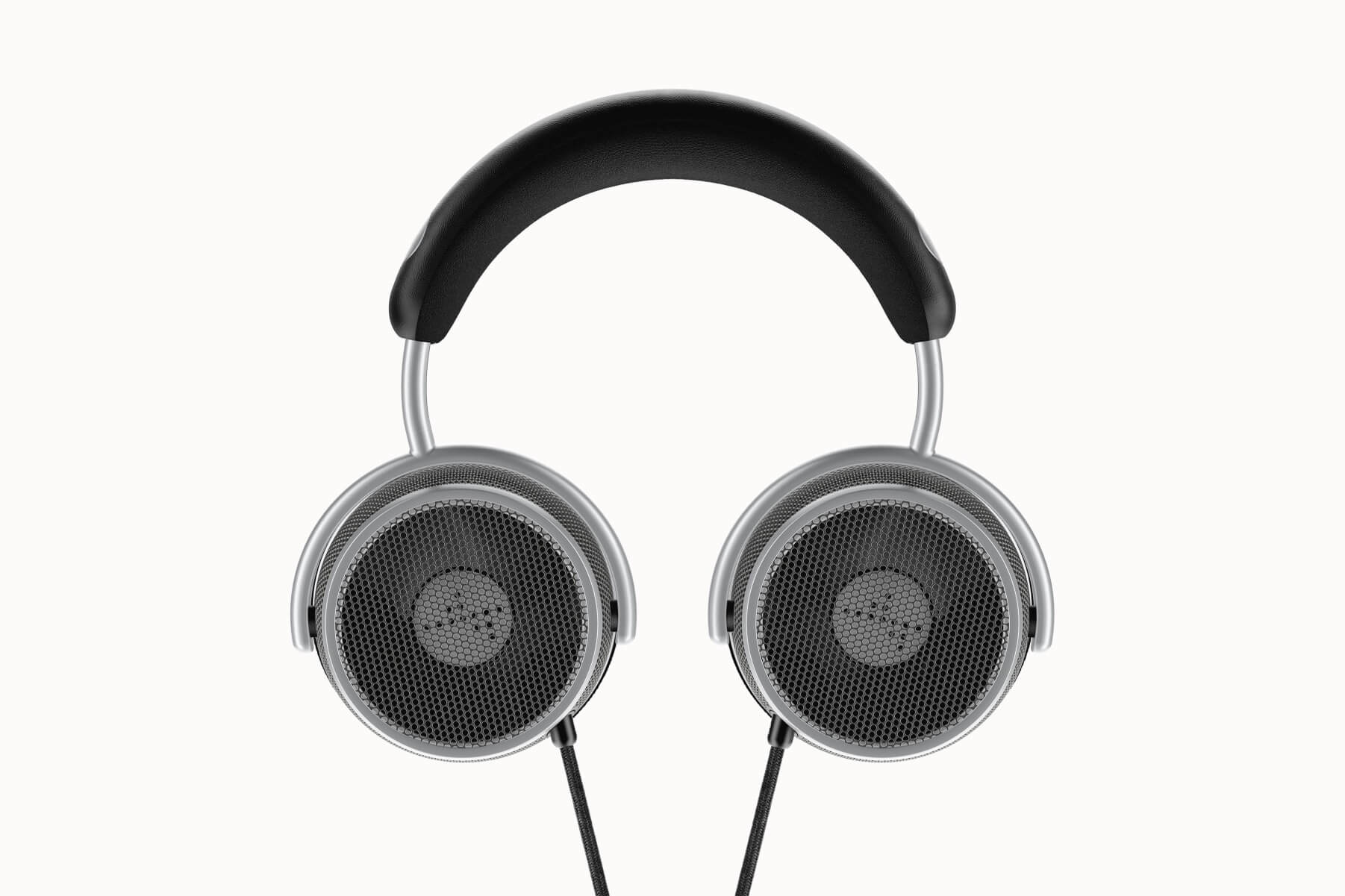
Visually and haptically, the Grell OAE2 convey a very high-quality impression. Instead of plastic components, metal is predominantly used, creating a striking contrast with the black headband and equally black ear pads.
Although the design largely follows the award-winning OAE1, the OAE2 are not intended as a direct successor but as an independent addition to the product portfolio. Delivery includes a sleek, flat case that also accommodates the cables.
Sustainability
The open over-ear system features a modular design, which according to the manufacturer ensures that all components can be replaced. Long-lasting materials are deliberately used, and production takes place in environmentally certified facilities. The sustainability concept is further reflected in the plastic-free packaging.
An optional omnidirectional boom microphone is planned as an accessory, allowing the Grell OAE2 to be used as a high-quality headset. The Grell OBM1 can be attached or removed easily, expanding the headphones’ range of applications at any time.
Wearing comfort
The fit feels rather firm than loose, although the tilting and swivelling ear cups adapt very well, which benefits overall comfort. Nevertheless, during longer sessions the weight of 394 grams can become noticeable. It is also worth mentioning that the size adjustment of the headband, while continuous, is somewhat stiff to operate. Once adjusted, however, the position remains stable.
Fully balanced cable concept
In terms of cable routing, the Grell OAE2 offer maximum flexibility. Conceptually, a single-sided connection is intended, allowing greater freedom of movement and enabling connection on either the left or right side via 2.5 mm TRRS sockets, depending on application or personal preference.
Two silver-plated OFC cables with a length of 180 cm are included: an unbalanced version with a 3.5 mm jack and matching 6.3 mm adapter, as well as a 4.4 mm cable for balanced operation. With a corresponding separate cable solution, even a dual-sided connection is possible.
Front-side sound field modulation (FSFM)
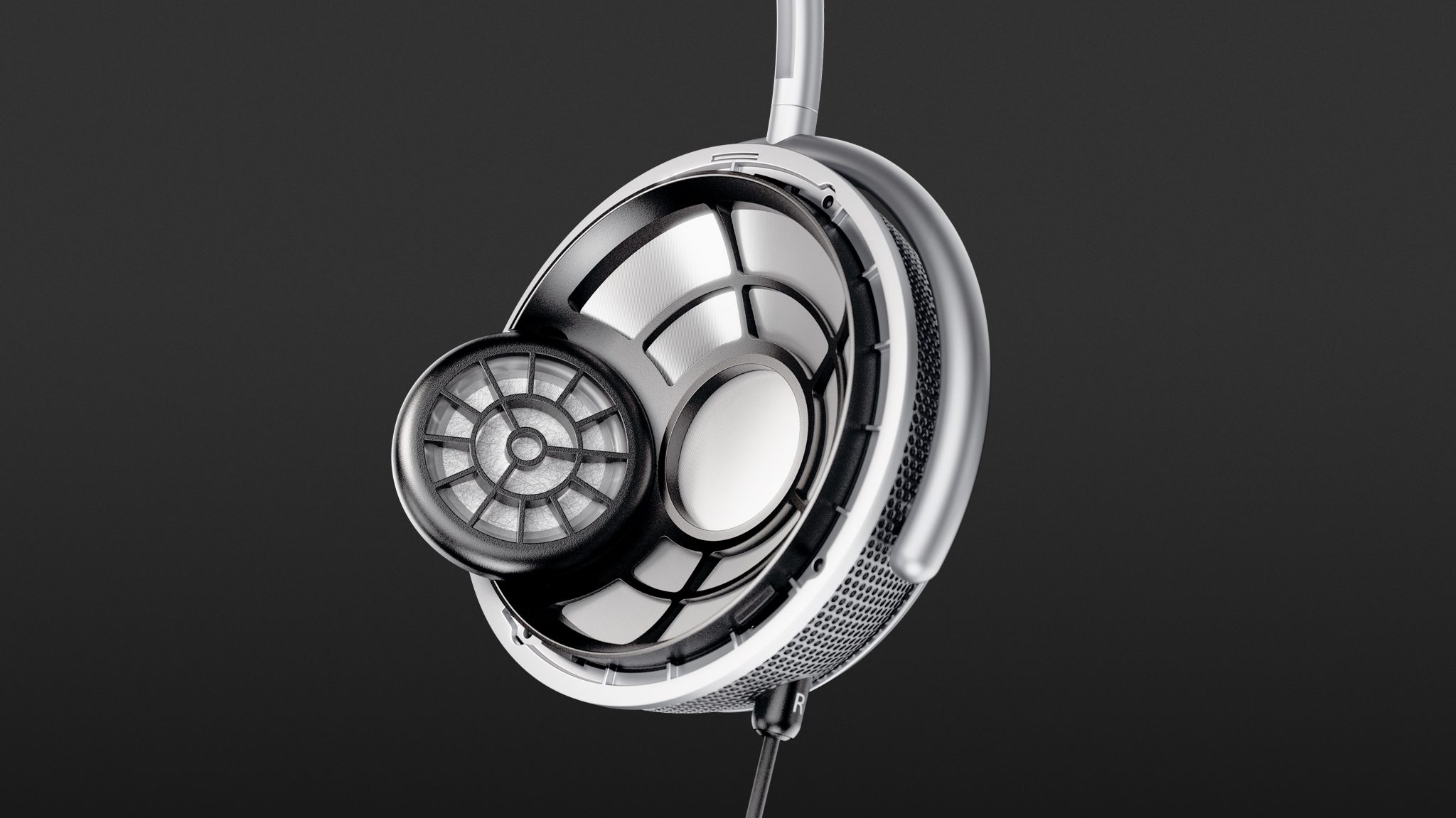
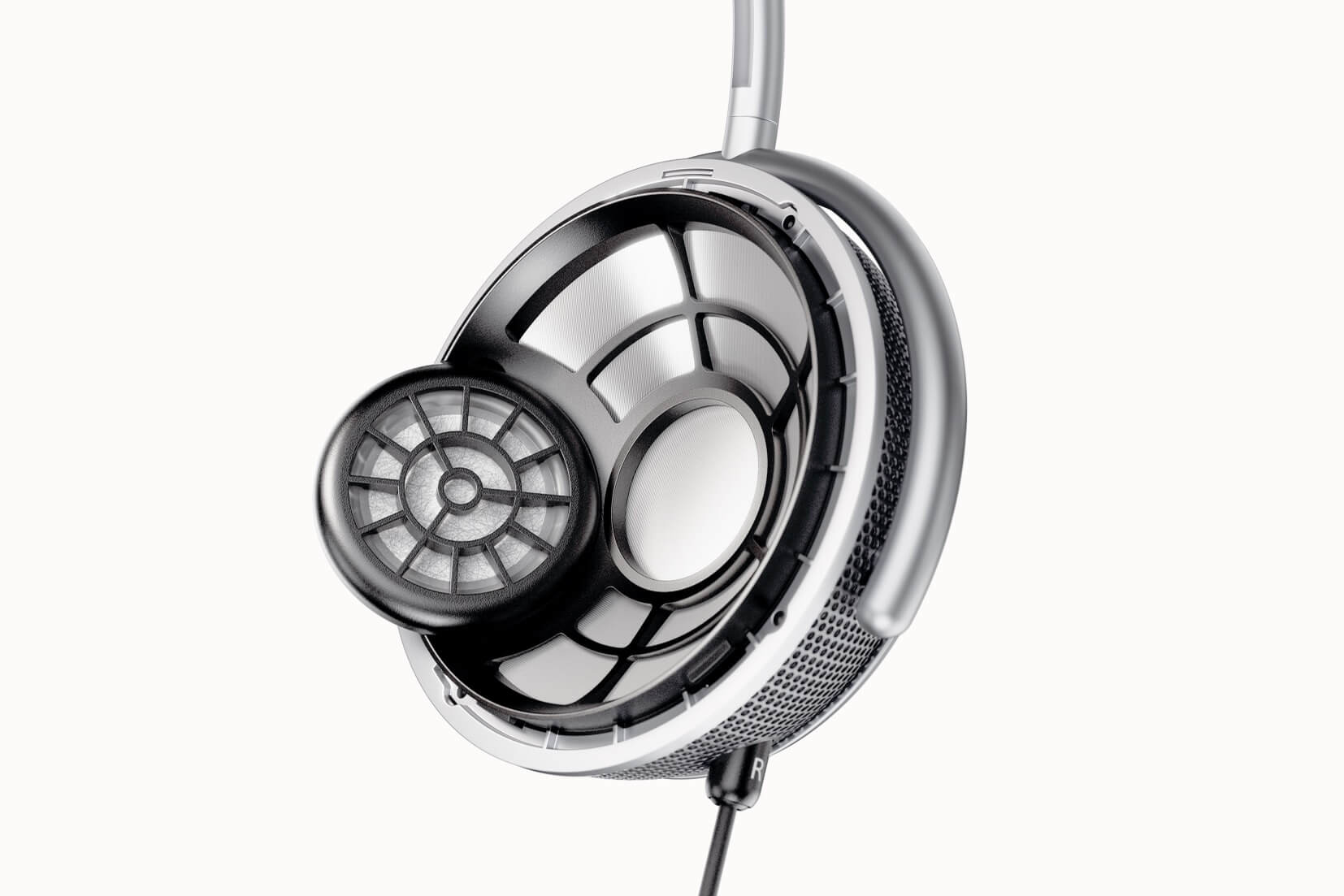
Because the drivers are not positioned centrally but angled in the front area of the ear cups, sound is not delivered from the side but diagonally from the front. This arrangement resembles the listening situation with studio monitors and is designed to deliberately involve the individual geometry of the listener’s ears.
The goal is an uncoloured sound perception that resembles natural hearing behaviour. To achieve this, the sound must be able to propagate with minimal reflections. As a result, the curved open section of the baffle in the OAE2 is approximately twice the size of that found in comparable headphones.
The newly developed damping concept also relies on a specific selection of materials, such as acoustically transparent stainless steel mesh, which together contribute to the exceptional openness of the headphones. As a consequence, isolation is indeed minimal, and a significant amount of sound also escapes to the outside.
Sound of the Grell OAE2
It is striking that even when driven by portable amplification, the Grell OAE2 deliver a pleasantly spacious sound impression. Whether via an Apogee Groove, a Cayin RU7 or directly from the headphone output of a MacBook Air, studio productions such as “All I Need” by Air (Moon Safari) sound open and expansive. The presentation may not be particularly wide, but it offers clearly perceptible depth.
Differences become even more apparent with live recordings, where switching to a stationary headphone amplifier such as the Lehmann Audio Linear results in a noticeable gain in width.
The result with Gregory Porter’s rendition of “It’s Probably Me” (Live at the Polar Music Prize, Stockholm 2017) is impressive, as the Grell OAE2 convey a very convincing concert atmosphere. The venue feels significantly larger than with a Sennheiser HD 660S and also more generously proportioned than with a Hifiman Sundara. Only the Beyerdynamic DT 1990 Pro appears slightly more expansive and distinctly brighter in comparison.
Despite the stage being positioned relatively deep in space, the Grell OAE2 manage effortlessly to establish a direct connection with the listener, creating strong involvement without any sense of distance. This characteristic can be particularly exhilarating with rock concerts, combining a room-filling perception with high intensity.

The low-frequency range is slightly leaner. According to Axel Grell, the level can be placed between the Grell OAE1 and a Sennheiser HD 650. Listening impressions confirm a deeply extending bass reproduction, especially powerful in the mid-bass region, which can manifest itself in a remarkably vivid manner.
With modern, bass-heavy music styles, however, it becomes noticeable that the dynamic 40 mm drivers with bio-cellulose membranes sometimes require a certain listening volume in order to fully unfold their sonic potential with precision and energy. Otherwise, reproduction can appear rather soft.
The midrange reproduction of the Grell OAE2 is also wonderfully tangible. With Rebekka Bakken’s cover of “Red Right Hand” (Always On My Mind), particularly in combination with the Lehmann Linear, an unusually realistic sound impression emerges, conveying the oppressive, eerie atmosphere in a deeply affecting way. The expressive vocals are positioned firmly and freely within the space, remaining present, warm and openly accessible.
The presentation is by no means as close and intimate as with the HD 660S and most closely resembles planar-magnetic headphones, although the Sundara cannot match the physicality of the OAE2.
The treble reproduction can be described as relaxed and unforced. While the DT 1990 Pro sounds noticeably more lively and energetic on “Spring 1 (2022)” by Max Richter (The New Four Seasons – Vivaldi Recomposed), the OAE2 appear gentler and less demanding, yet never timid. For orchestral works, one should not expect the last degree of ultimate treble resolution or brilliance, as the headphones are not tuned for that purpose.
Instead, the focus lies on an organic and harmonious sound character that enables fatigue-free, enjoyment-oriented listening over many hours.
Conclusion
The Grell OAE2 deliberately take a different approach and pursue an innovative, independent acoustic concept with front-side sound field modulation (FSFM) and a particularly open construction. By angling the drivers towards the ear from the front rather than the side, sound is perceived in a way that mirrors natural listening behaviour. The result is a full, warm and impressively tangible sonic experience that may not extract every last detail but deeply involves the listener and can evoke emotions effortlessly.
The modular design implies sustainability and serviceability, while optional accessories such as an attachable microphone boom expand the Grell OAE2’s potential as a headset. Additional flexibility is provided by the fully balanced cable concept. Only the relatively firm clamping force might have benefited from being slightly looser for a home-focused open over-ear headphone.
Conclusion
Advantages / Disadvantages:
Advantages:
-
Vivid sound
-
Independent, innovative acoustic concept
-
Sustainable, modular design
-
Cable routing possible on one or both sides
-
Optional microphone arm available
-
Case
Disadvantages:
-
Relatively tight fit
-
Slightly stiff size adjustment
Share Post:


About the author:

From
Maike Paeßens
Redakteur
Maike Paeßens has been working as a author, editor, product specialist and project manager in various areas of the MI sector since 2005. In addition to recording studio technology, she also works with synthesizers, DJ equipment and in the hi-fi sector. Her artistic interest is reflected in the production of tobacco pipes, which she produces under her own label.