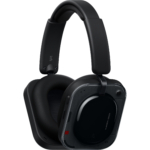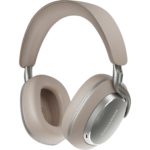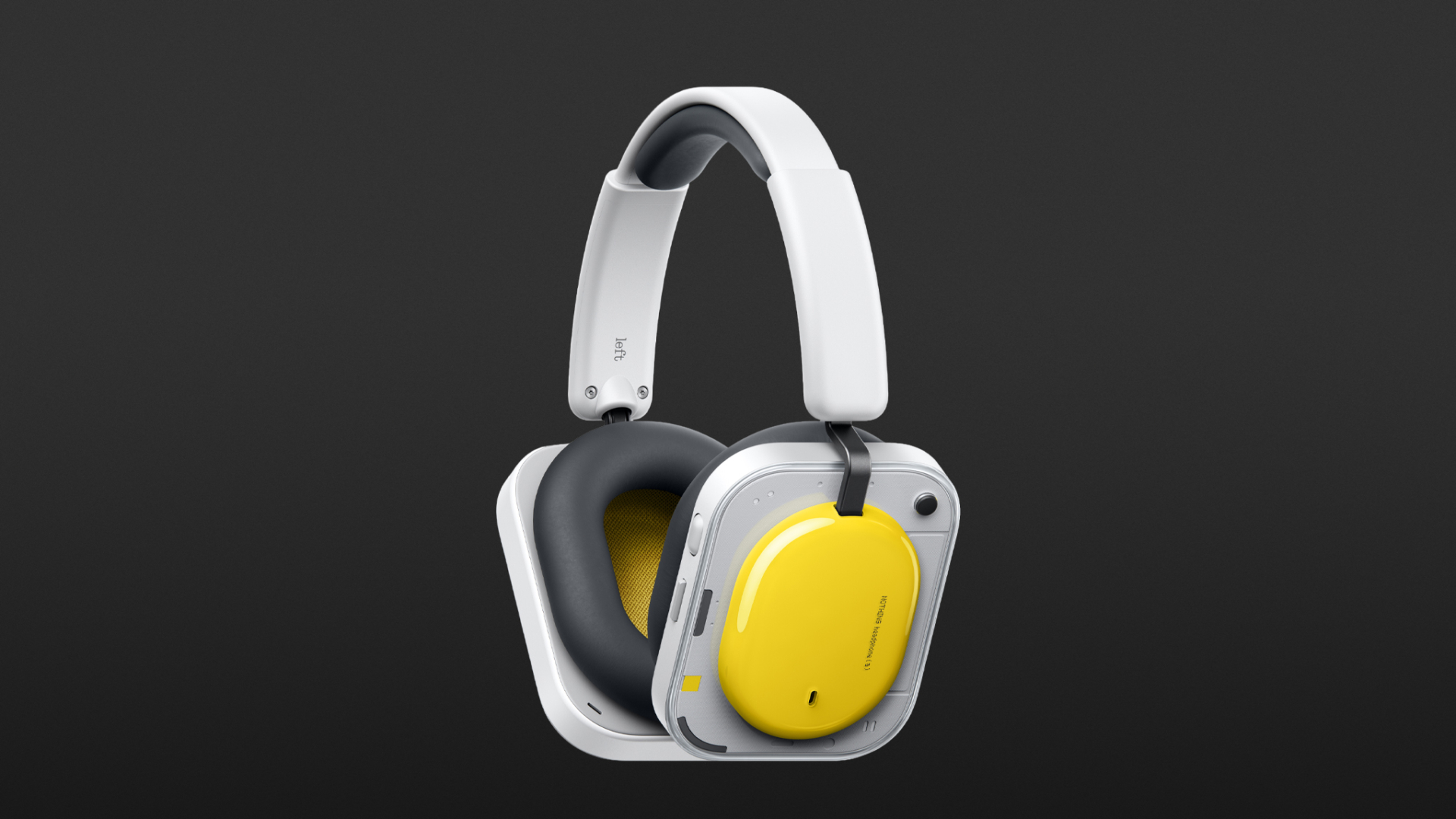
The Nothing Headphone (a) turn heads with their striking looks and offer flexible connectivity via Bluetooth, USB-C, and a 3.5mm audio cable. Further highlights include impressive, fast-charging battery life, a very stable wireless connection, and support for the Hi-Res LDAC codec. The powerfully tuned Bluetooth headphones also feature surround sound, a transparency mode, and active noise cancellation (ANC) that proves particularly effective in the low-frequency range. On the downside, the 8-band EQ comes with a volume drop, and heat buildup around the ears can become noticeable over time.
- IP52 dust and water resistance
- Battery life and fast charging
- Call clarity (except in loud environments)
- Multipoint connectivity
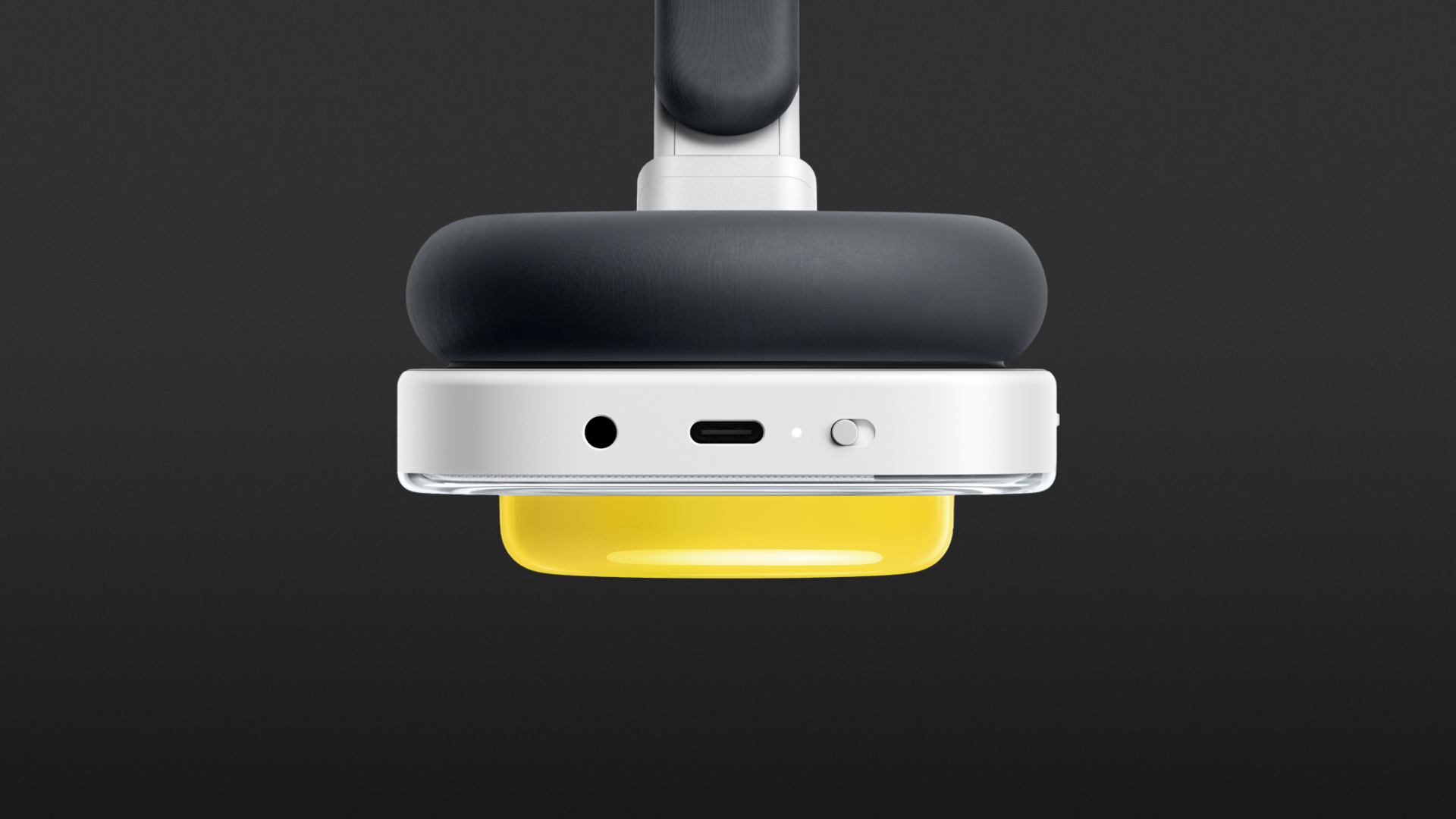
- 3.5mm and USB-C audio inputs
- AAC and LDAC support
- Volume drop with the "advanced" EQ
- Minimalist headband padding
- Noticeable heat buildup around the ears
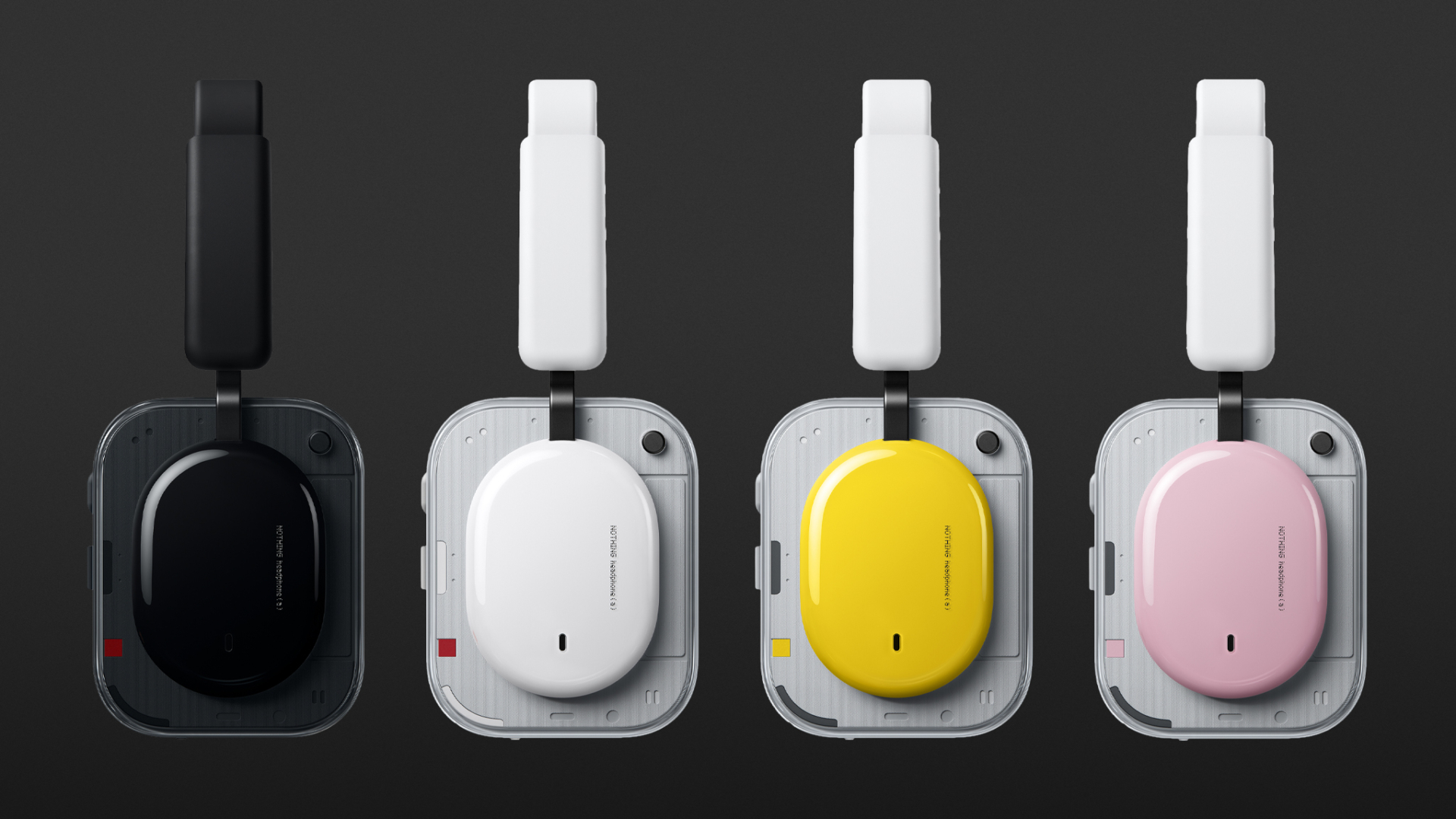
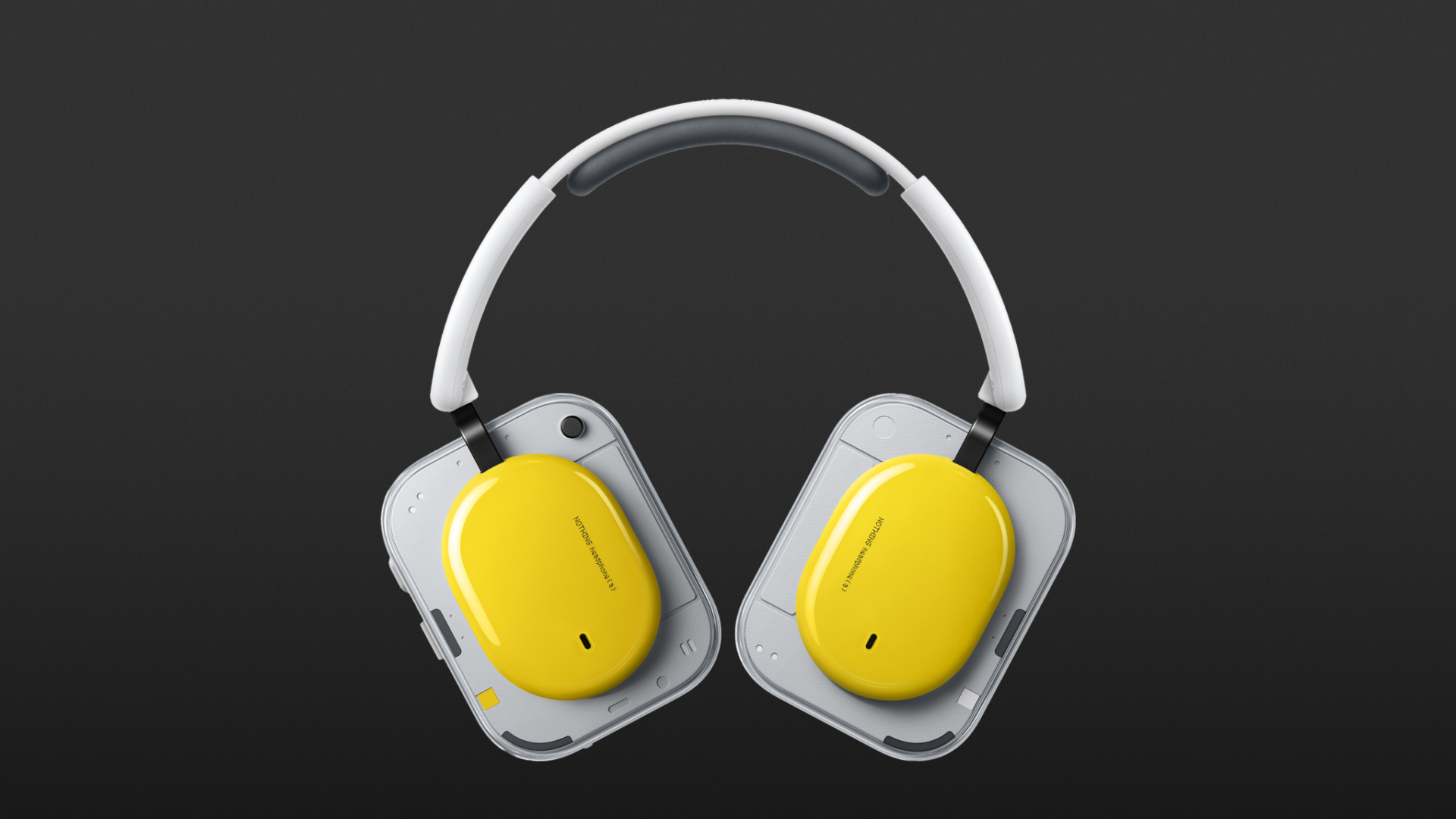
As Nothing’s second over-ear model, the Headphone (a) deliberately echoes the distinctive design language of last year’s Nothing Headphone (1), while a vibrant color lineup — yellow, pink, white, and black — targets a younger audience. There are differences in materials and feature set, which is reflected in a lower price point. In this review, we take a closer look at what the Headphone (a) gets right and where it falls short.



-

- @ Nothing

Design and Wearing Comfort
The Nothing Headphone (a) weigh in at 311 grams and carry an IP52 rating for dust and water resistance — a relatively rare feature in the over-ear segment. The tradeoff is that the headphone is primarily plastic construction, stepping down from the aluminum build used on the Nothing Headphone (1). True to the brand, it arrives in plastic-free packaging.
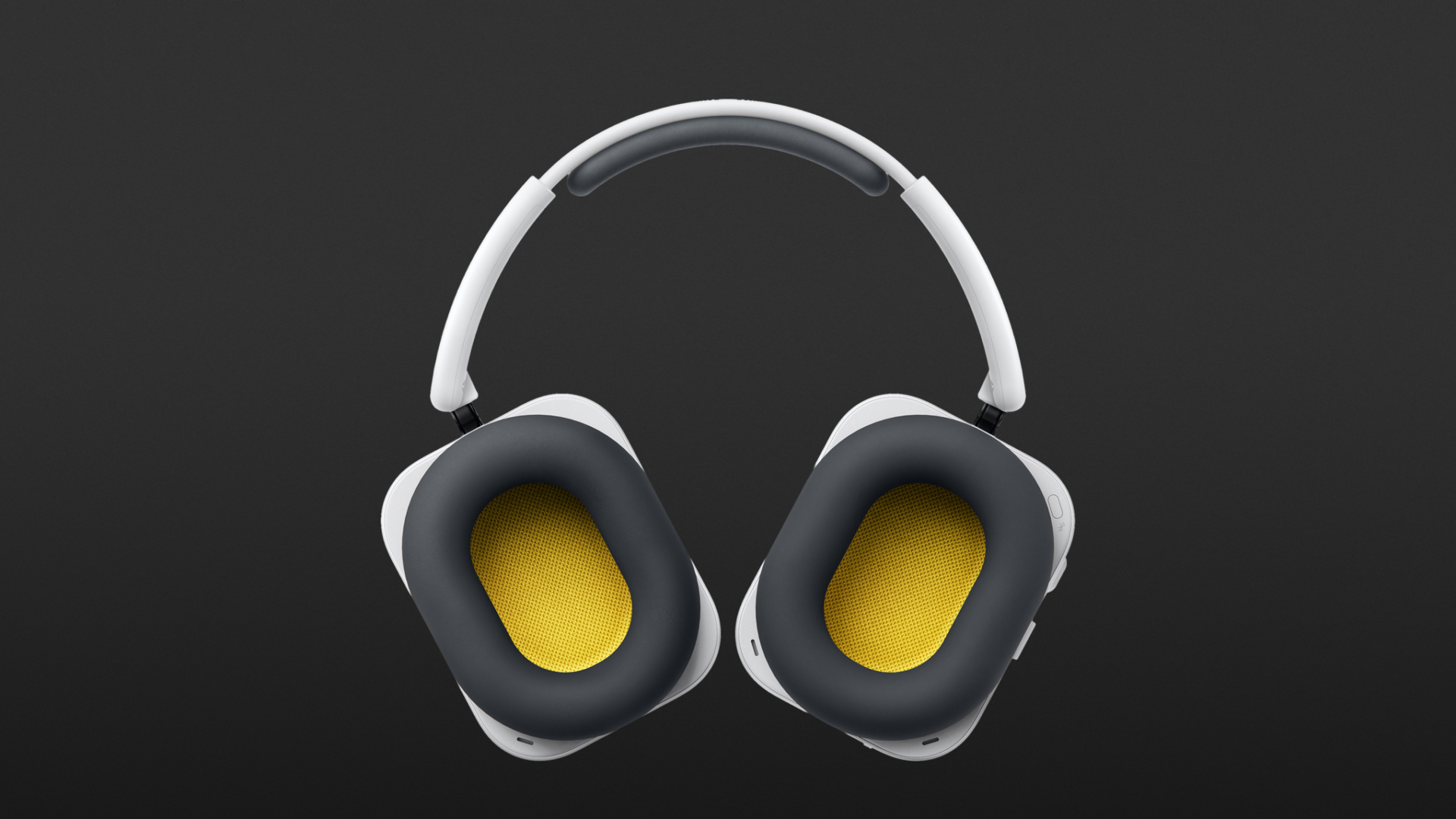
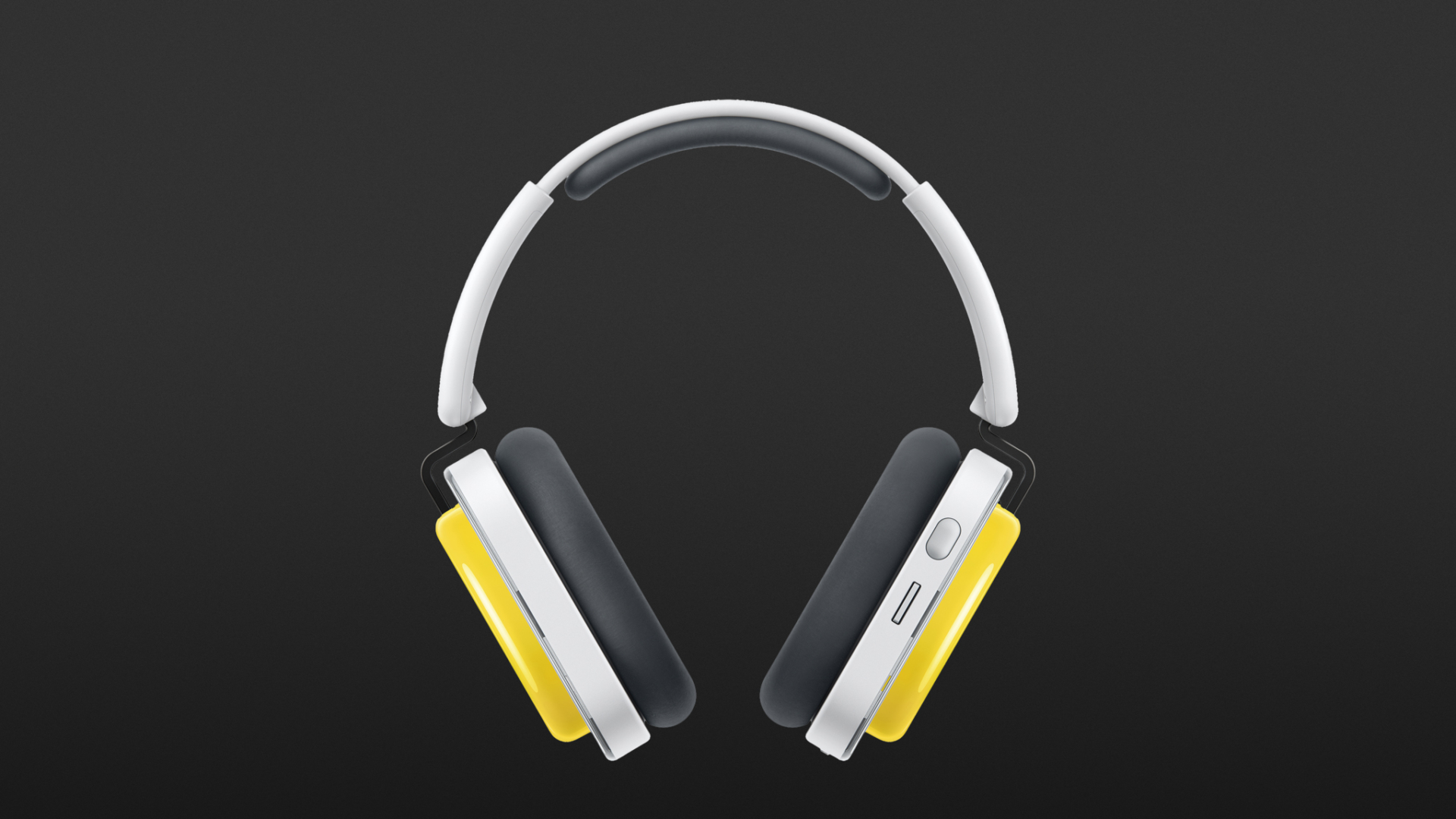
The clamping force sits comfortably in the middle — neither too tight nor too loose — providing enough grip for on-the-go use, including the occasional quick dash. The rectangular earcups of the Nothing Headphone (a) can both tilt and swivel, and combined with the elastically extendable headband, the fit adapts well to a wide range of head shapes and sizes. The stepless size adjustment accommodates everything from finer to larger heads.
That said, the narrow headband is only minimally padded, which does become noticeable during longer listening sessions. The closed-back design and tightly sealing ear pads also cause heat to build up around the ears after a while, making the occasional break worthwhile.
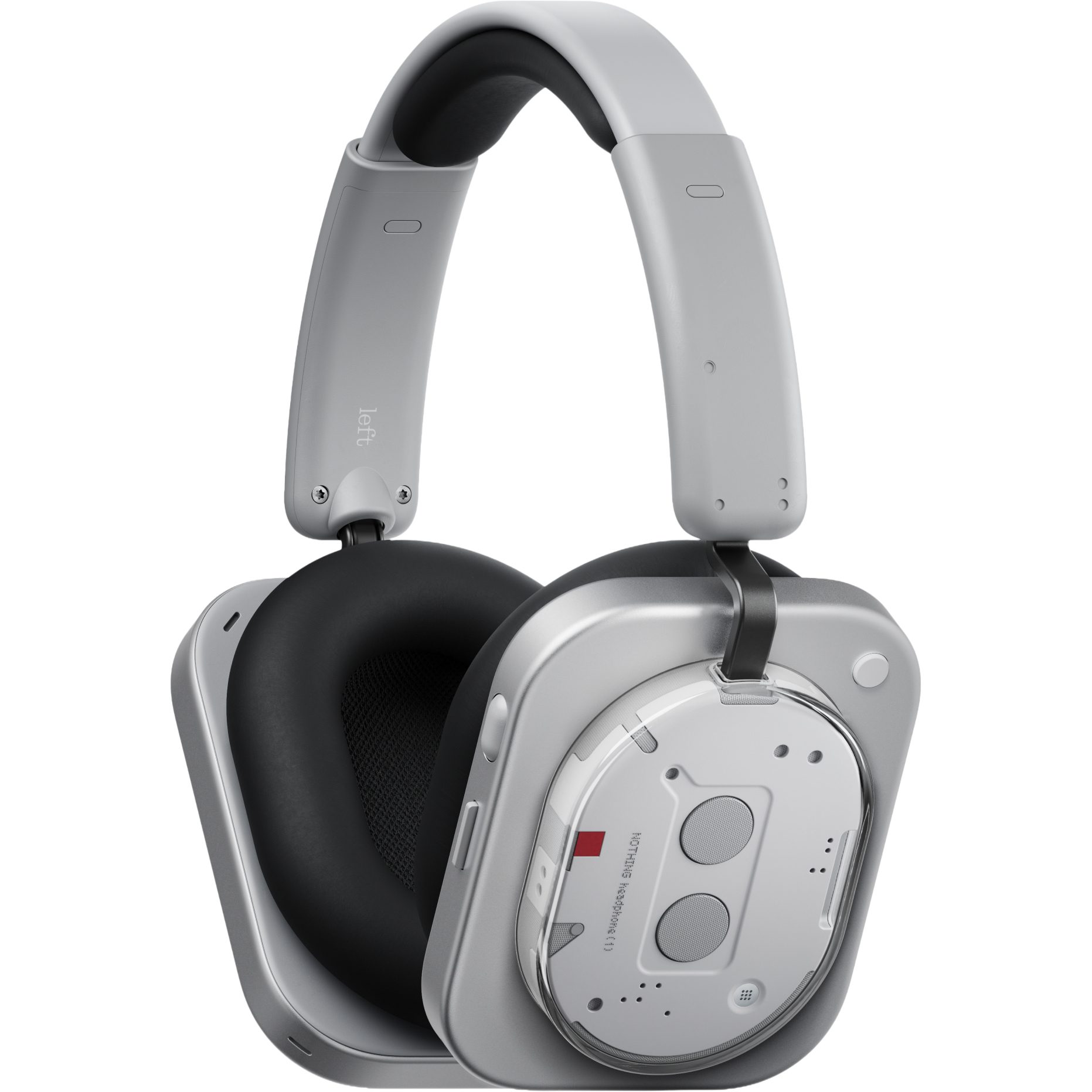
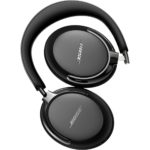
Nothing Headphone (1)
With the Nothing Headphone (1), tech start-up Nothing has delivered one of the most exciting audio products of 2025. Developed in collaboration with KEF, these over-ear headphones offer exceptional sound quality, intelligent features and a striking design.
Battery Life
At higher volume levels, the Nothing Headphone (a) can deliver a remarkable runtime of over 135 hours when using the AAC codec. With noise cancellation running at its maximum setting, up to 90 hours is still achievable. A five-minute quick charge — via smartphone, for example — provides around eight hours of playback without ANC, and a full charge takes around 95 minutes.
Wired use is also available alongside Bluetooth, either analog via the 3.5mm jack or digitally over USB-C. Since the onboard electronics remain active in both cases, noise cancellation and transparency mode stay available throughout. Via USB-C — which handles both charging and audio — the physical controls also remain functional. Under macOS, the headphones are recognized automatically and support up to 24-bit/96kHz. A mini jack cable is included in the box.
Bluetooth Specs
Alongside Bluetooth 5.4, the Nothing Headphone (a) support multipoint connections with two devices simultaneously, as well as Google Fast Pair and Microsoft Swift Pair. Supported audio codecs include SBC, AAC, and LDAC. A low-latency mode is also on board to improve audio-video sync during gaming or watching shows.
The wireless connection inspires real confidence. Throughout testing, the headphones maintained dropout-free performance while moving through multiple rooms across two floors indoors, and covered more than 30 meters without issue in an outdoor garden setting.
-
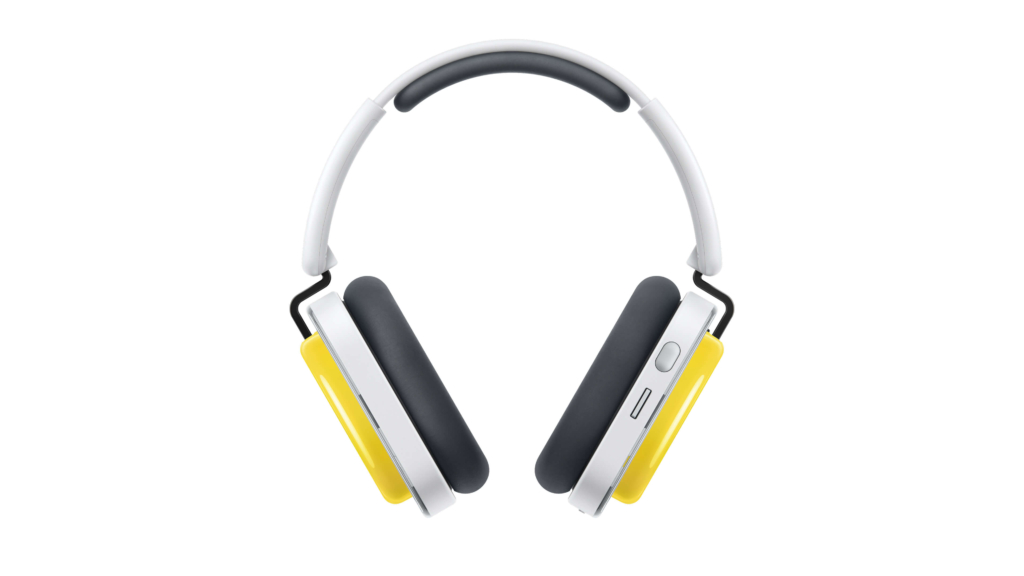
- The intuitive control of the multifunctional scroll wheel, a button and the paddle makes this successful operating concept easy to use.
An Intuitive, Accessible Control Scheme
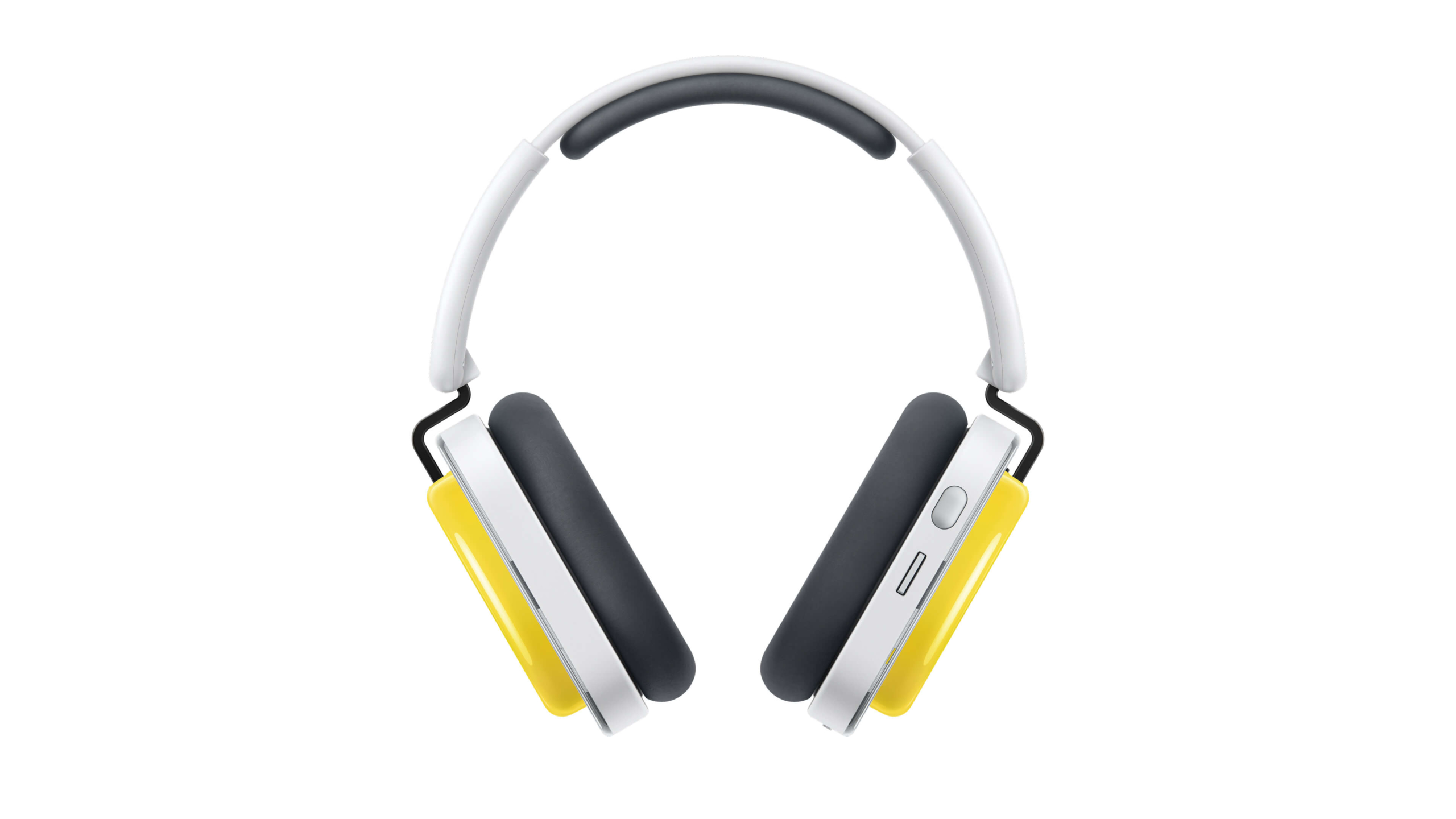
Control is handled through a multifunctional roller, a button, and a paddle — a combination that feels intuitive and doesn’t take long to internalize. Only the button can be remapped in the app; everything else follows a fixed layout. The roller handles volume in the most self-explanatory way possible, but it also functions as a pressable button for play/pause. A short press-and-hold switches between ANC and transparency mode, with the option to extend this to include the standard (off) mode as well.
Intuitive controls: the multifunctional roller, button, and paddle make for a control scheme that’s quick to learn.
The paddle moves horizontally and handles track skipping — forward or backward — and on many media players it can also be used to scrub through the playback position. Calls can be managed through it as well. The button supports dual assignment, letting you trigger your smartphone camera, mute the microphone, or cycle through EQ presets. You can also assign it to launch a voice assistant — on Nothing OS, this includes ChatGPT integration — or to toggle noise control.
A small recessed Bluetooth button on the inside of the right earcup activates pairing mode when needed.
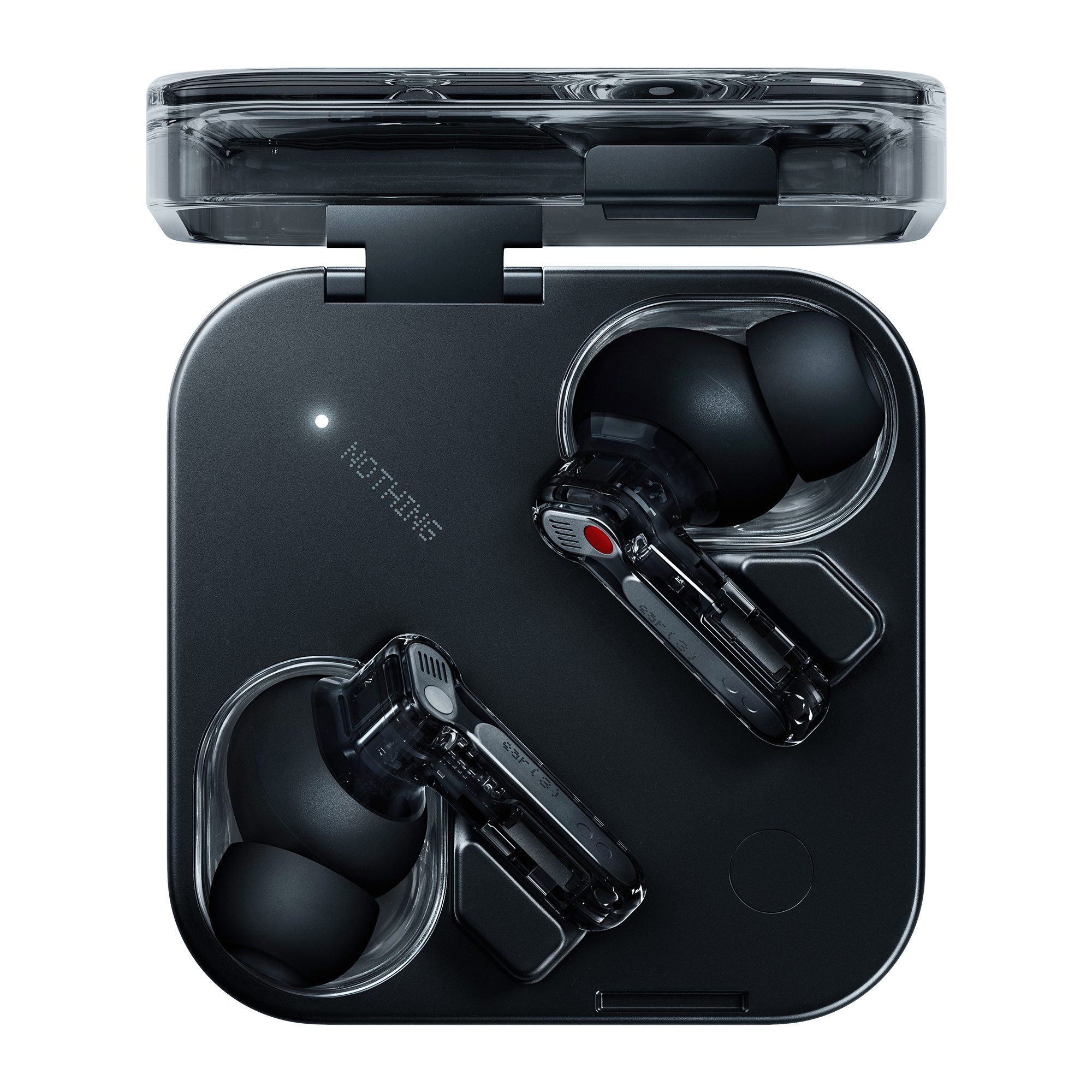
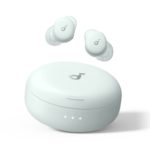
Nothing Ear (3)
The Nothing Ear (3) combine a unique Super Mic in the case with adaptive ANC, LDAC and a bold sound signature. Stylish, weatherproof and feature-rich – but with room for improvement in transparency mode.
Nothing X App
The noise control section of the companion app (available for Android and iOS) offers a three-level ANC mode — Low, Medium, and High — for manual adjustment, alongside an adaptive noise cancelling option. The transparency mode, however, offers no adjustable settings.
Sound tuning is handled through two EQ options: a “simple” EQ with three axes, and an 8-band EQ for “advanced” sound customization. The simple EQ comes with four presets — Balance, More Bass (the default), More Treble, and Voice — along with the option to create a custom setting.
The 8-band EQ offers more room for custom presets, though the advanced EQ does come with a noticeable volume drop. A community EQ library is also in the works, which will eventually offer presets from the user community and partnering artists. A Bass Enhance function rounds things out, automatically boosting the low end in one of two intensity levels. One thing missing compared to the Nothing Headphone (1) is a personalized sound profile feature.
The app also lets you enable multipoint connections, the low-latency mode, and Spatial Audio. A Find My Headphones function is available as well, playing an audible sound to help you track them down. Firmware updates can be installed directly through the app, and LDAC can be configured on compatible Android devices.
Call Clarity
Three AI-powered microphones ensure clean, intelligible voice transmission. Wind noise filtering in outdoor environments works well — even in stronger gusts, the person on the other end hears only a faint whisper while your voice remains clearly understandable. In loud ambient environments, however, it’s apparent that the microphone system attempts to suppress background noise during speech, but currently does so with too much delay. This causes a dip in clarity right after pauses in speech, which is something a firmware update should be able to address.
Noise Cancellation (ANC) and Transparency Mode
Even at the lowest setting, the hybrid noise cancelling of the Nothing Headphone (a) proves effective in the low-frequency range, with performance improving steadily up to the maximum level. The High ANC mode does carry a moderate background hiss, and the quieter adaptive variant doesn’t quite match it in outright effectiveness — including in the mid and upper frequency ranges. Voices at moderate volume are attenuated, while results in the high-frequency range are more mixed: birdsong, for instance, comes through barely reduced, whereas nearby keyboard sounds are noticeably suppressed.
One thing worth noting is that both ANC and transparency mode of the Nothing Headphone (a) introduce a slight bass boost that affects the overall sound character.
In ambient mode, environmental sounds are amplified cleanly, making it easy to follow announcements or hold conversations during playback pauses. It also improves awareness of your surroundings while music is playing. Transparency mode carries a moderate background noise floor as well.
Spatial Audio
For a more spatial listening experience, two modes are available: Concert and Theater — both implemented statically, without head tracking. In Concert mode, the virtual soundstage shifts slightly deeper into the room, broadening the presentation and genuinely adding a sense of live atmosphere when listening to live albums. Theater mode aims to replicate the acoustics of a cinema, though with action-heavy film content it can currently lead to some distortion in the bass range.
Sound
The custom-developed 40mm dynamic drivers in the Nothing Headphone (a) are tuned for impact and deliver a fairly spacious presentation. While the bass has real substance to it, the sub-bass isn’t overwhelming — the result is a taut, well-defined low end. Those who prefer a weightier bass foundation can turn to the Bass Enhance function, which works well even with club-oriented productions. The Balance preset, by contrast, offers a more even-handed sound with a wider stage and a leaner bass response compared to the more fun-oriented default More Bass setting.
The midrange is more restrained but well-structured, and never feels cramped even with complex arrangements. If anything, the sense of space is surprisingly generous for closed-back over-ears at this price point — and the headphone puts that space to good use with a detailed, precise presentation. This translates well to gaming, where positional audio cues like footsteps or gunshots come through clearly, and vocals, spoken dialogue, and film audio benefit from strong intelligibility.
The treble of the Nothing Headphone (a) is present and detailed without being overzealous. At higher volume levels, there can occasionally be a slight tickle in the ear, but the top end never becomes fatiguing or intrusive. Sibilance lands somewhere in the middle — neither especially smooth nor sharp — and doesn’t put undue strain on the ears.
Verdict
Alongside their eye-catching design, the Nothing Headphone (a) make a strong case for themselves with versatile connectivity across Bluetooth, USB audio, and wired options. There’s room for improvement in wearing comfort — the sparse headband padding and more pronounced heat buildup around the ears are genuine drawbacks over longer sessions.
In most other respects, however, the Nothing Headphone (a) impress: outstanding battery life, an intuitive control scheme, weather-resistant construction, and a powerful, spacious sound that convinces across a range of use cases. A few rough edges remain at launch — the volume drop with the 8-band EQ and the delayed noise suppression during calls being the most notable — but both seem like straightforward candidates for a firmware fix.
FAQ: Frequently Asked Questions About the Nothing Headphone (a)
How long does the battery of the Nothing Headphone (a) last?
Over 135 hours with AAC and ANC off — up to 90 hours with noise cancellation active. Fast charging is supported: 5 minutes of charging delivers around 8 hours of playback.
Can the Nothing Headphone (a) be used wired?
Yes — either analog via 3.5mm or digitally via USB-C. ANC and transparency mode remain active in wired mode.
Are the Nothing Headphone (a) waterproof?
They carry an IP52 rating for dust and water resistance — uncommon for over-ears, and more than adequate for everyday mobile use.
Which Bluetooth codecs are supported?
SBC, AAC, and LDAC (on Android devices). A low-latency mode is also available to reduce delay during gaming and video streaming.
Is there Spatial Audio?
Yes — two modes: Concert (wider soundstage) and Theater (cinema simulation). Both are static implementations without head tracking.

Technical specifications
- Ear couplingOver-ear
- Typeclosed
- Transducer principledynamic
- Weight with cable328 g
- Weight without cable311 g
Special features
- Available in black, white, white/silver and white/pink
- BT version: 5.4
- BT codecs: SBC, AAC, LDAC