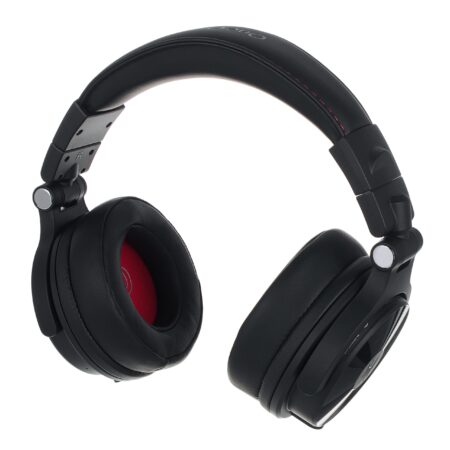
OneOdio Studio Max 1
With the OneOdio Studio Max 1, Chinese manufacturer OneOdio introduces a DJ headphone that can be used via cable, Bluetooth or—most notably—through an included wireless transmitter.
Put an end to the cable mess and get the freedom of movement with a Bluetooth headset! Bluetooth models connect wirelessly with your player and build a perfect match with modern electronics: All current smartphones deliver music via Bluetooth, as well as tablets, notebooks, but also desktop computers. Even newer TVs from LG and Panasonic send the TV sound to suitable headphones via Bluetooth.
Depending on the Bluetooth device class, the theoretical range can be between 10 and 100 meters. Suppliers and headphones ensure their communication via a so-called profile (A2DP). Among other things, this profile determines which codec will be used in the transmission. Besides the obligatory SBC, Qualcomm’s apt-X is increasingly being used by many manufacturers. This codec is characterized by high sound quality at low transmission rates and a very low latency.
Bluetooth is constantly being improved and has a few iterations from version 1.0 to version 5.x. The improvements are higher transmission speeds, safety improvements and lower power consumption.
Most Bluetooth handsets are also suitable for telephoning. To do so the wireless headphones need a built-in microphone and a remote control with buttons to accept and/or decline calls, and a volume control. Most of the in-ears with bluetooth have a hands-free microphone and the control buttons built directly in the cable between the left and right ear plug. If you are looking for over-ear, on-ear, and true wireless models the microphone and buttons can be found in the earpieces. In order for these remote controls to “talk” to the player, another profile is needed: AVRCP (Audio/Video Remote Control Profile).
The biggest disadvantage of the wireless headphones are: They require power in order to work wirelessly. However, the integrated rechargeable batteries usually last only five to eight hours and then have to be recharged via USB port. But if you are running out of battery power there is no need to worry, as many of these models can also be connected to a music player’s output via cable.
With the OneOdio Studio Max 1, Chinese manufacturer OneOdio introduces a DJ headphone that can be used via cable, Bluetooth or—most notably—through an included wireless transmitter.
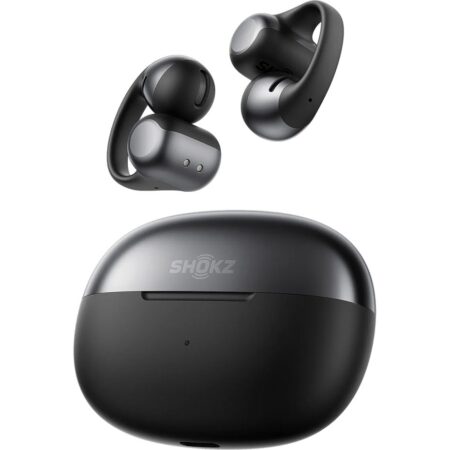
Shokz OpenDots ONE Review: These stylish, wireless headphones with Dolby Audio perform well in everyday use.

The Edifier LolliClip offer a powerful feature package: LDAC, Spatial Audio, Adaptive ANC, Multipoint Audio, and Gaming Mode. With measurements like heart rate and blood oxygen, they're ideal for everyday use and sports.
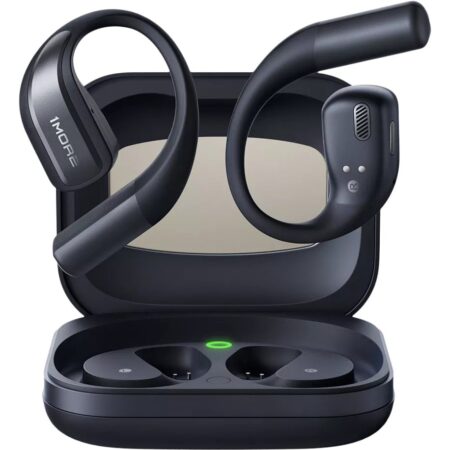
The 1More S70 is an open-ear headphone offering high wearing comfort, practical features, and solid battery life.
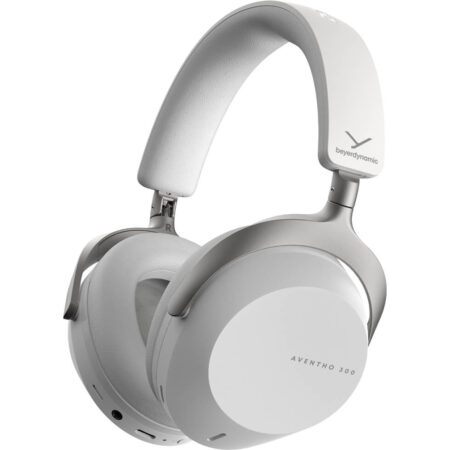
The Beyerdynamic Aventho 300 is an over-ear model with head tracking, Bluetooth 5.4, and adaptive ANC. Additionally, its premium sound can be customized to your liking.
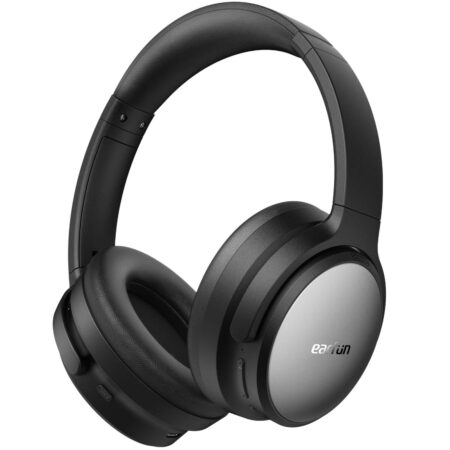
The EarFun Tune Pro are budget-friendly all-rounders with exceptional battery life, versatile connectivity, and clean, powerful sound.
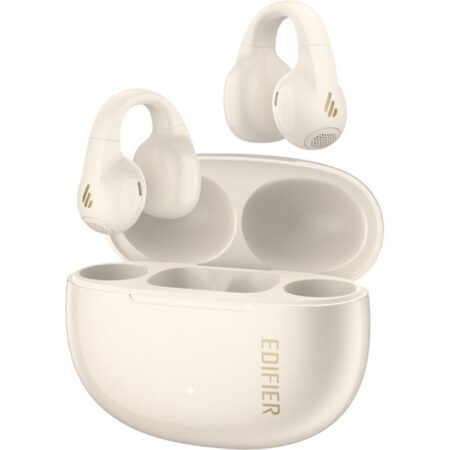
The Edifier R1 effortlessly proves that good-sounding open-ear headphones can also be affordable.
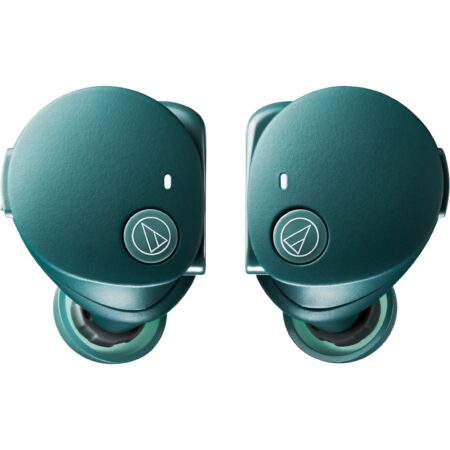
With the Audio-Technica ATH-CKS50TW2, the Japanese manufacturer introduces a new generation of true wireless in-ears focused on one standout feature: endurance.
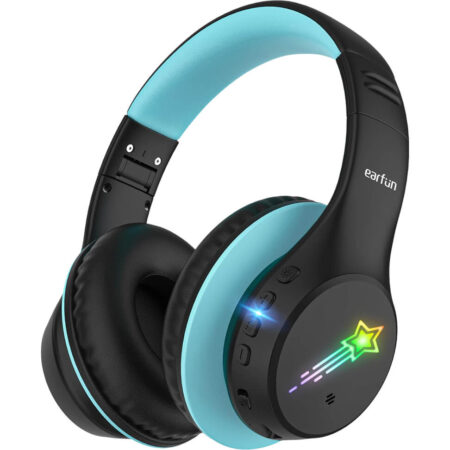
Designed specifically for children, the wireless over-ear EarFun K4 headphones feature adjustable volume limiting, support the high-quality AAC audio codec, and offer an impressive battery life.
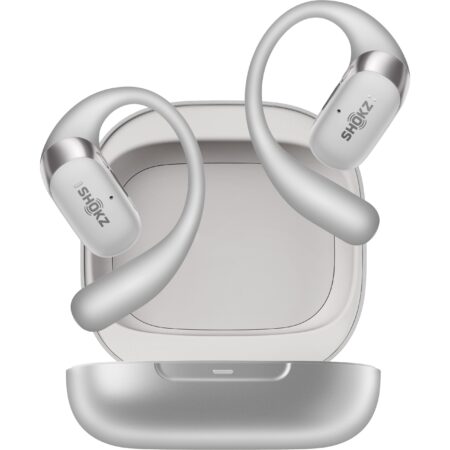
With the Shokz OpenFit 2, the company has given its 2023 open-ear model a full refresh. At the same price as its predecessor, it delivers improved sound quality, longer battery life, and more refined controls.