

In a nutshell
The Nothing Ear (3a) are tuned for listening fun, impress for their price class with broadband-oriented noise cancellation, and stand out visually from the crowd with their slim, transparent design. New is a built-in flash memory for call recordings and short audio clips in surprisingly good quality, which can then be edited and transcribed via the Nothing X app.
Vorteile:
-
Comfortable fit
-
Earbuds and case rated IP54 dust- and water-resistant
-
Speech intelligibility (except in loud environments)
-
Multipoint connections
-
Low-lag mode
-
Built-in storage for media and call recordings
-
Support AAC and LDAC
Nachteile:
-
Volume loss in the "advanced" EQ
-
No USB charging cable included
-
No manual power on/off
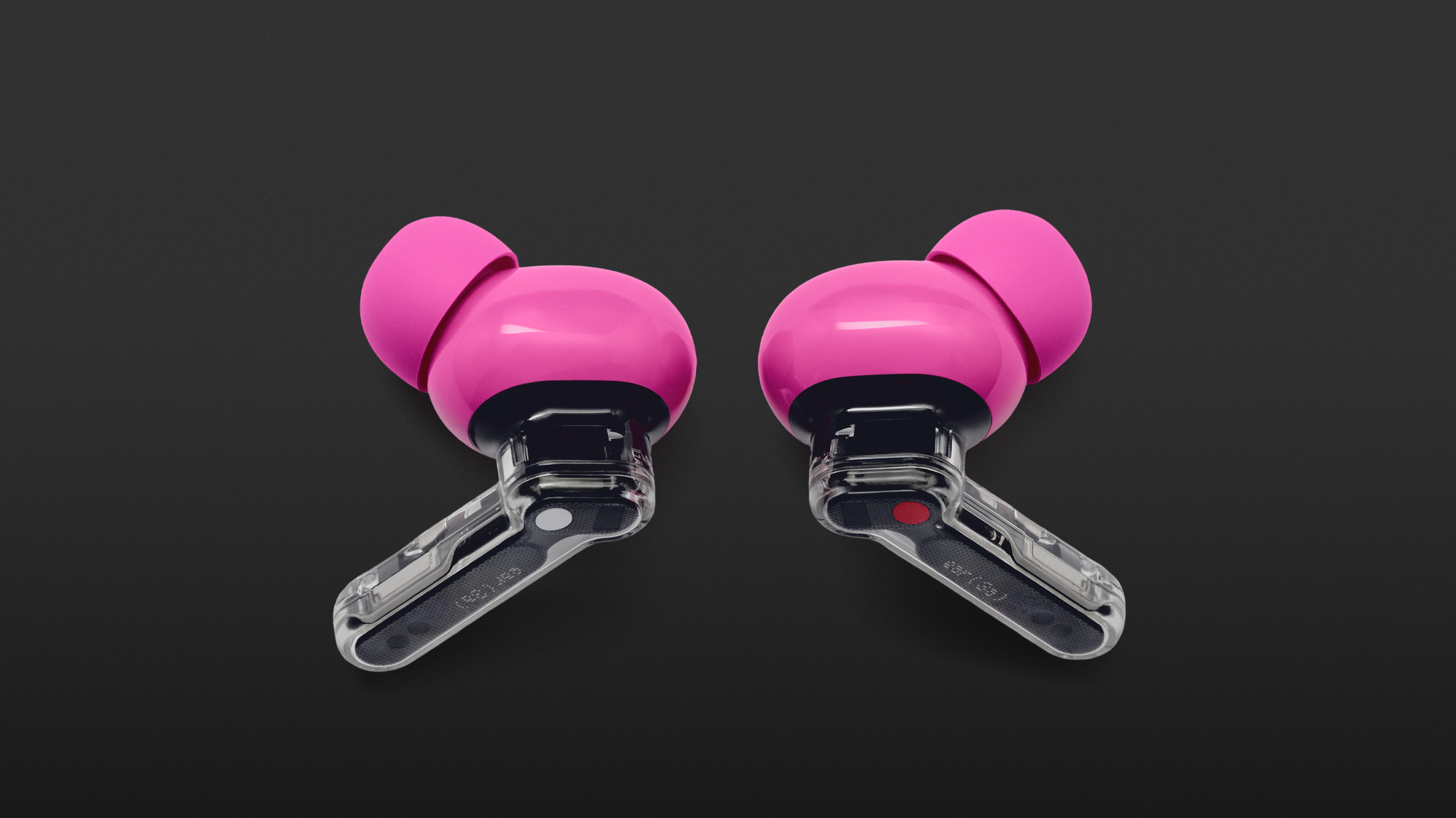
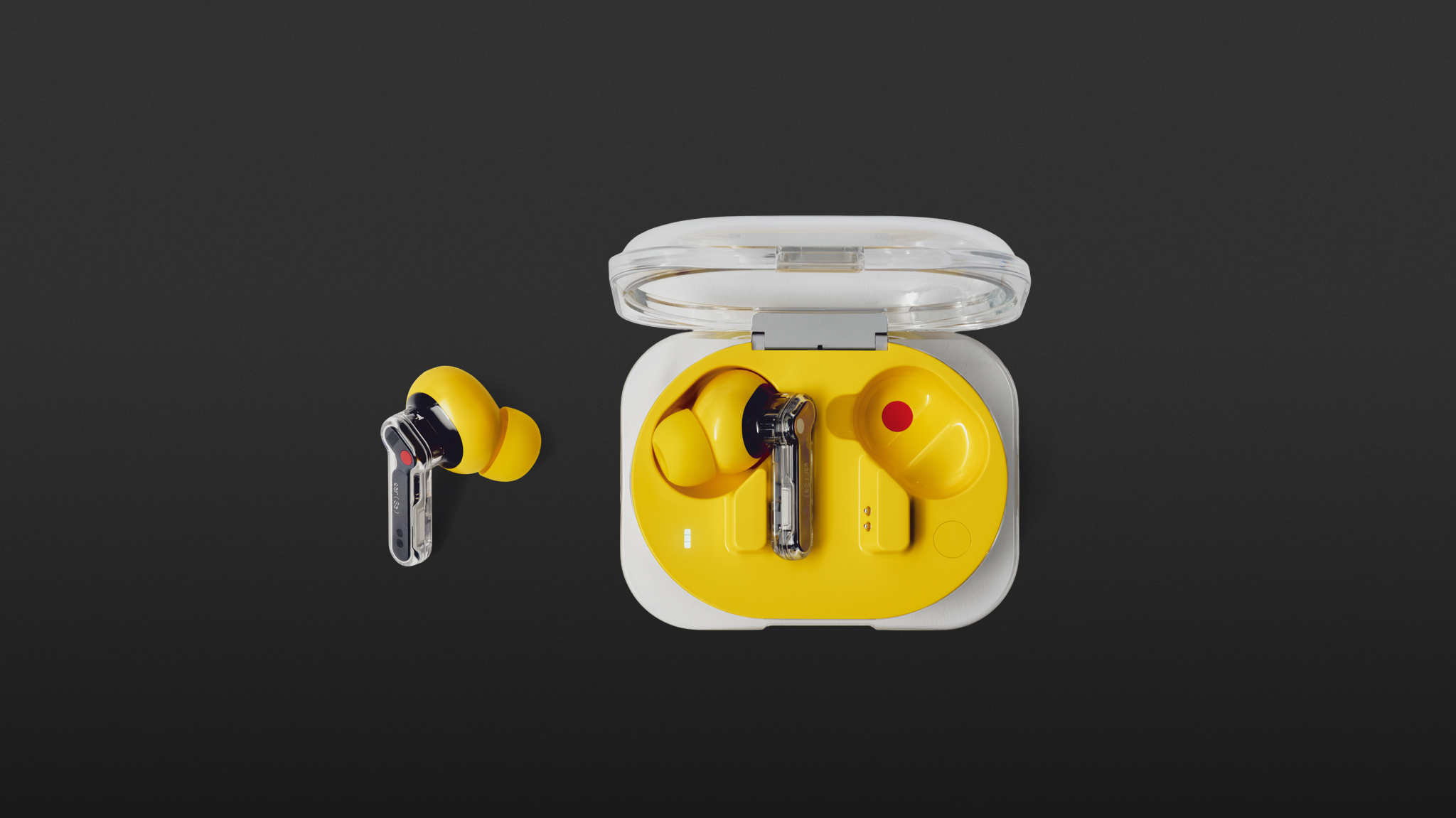
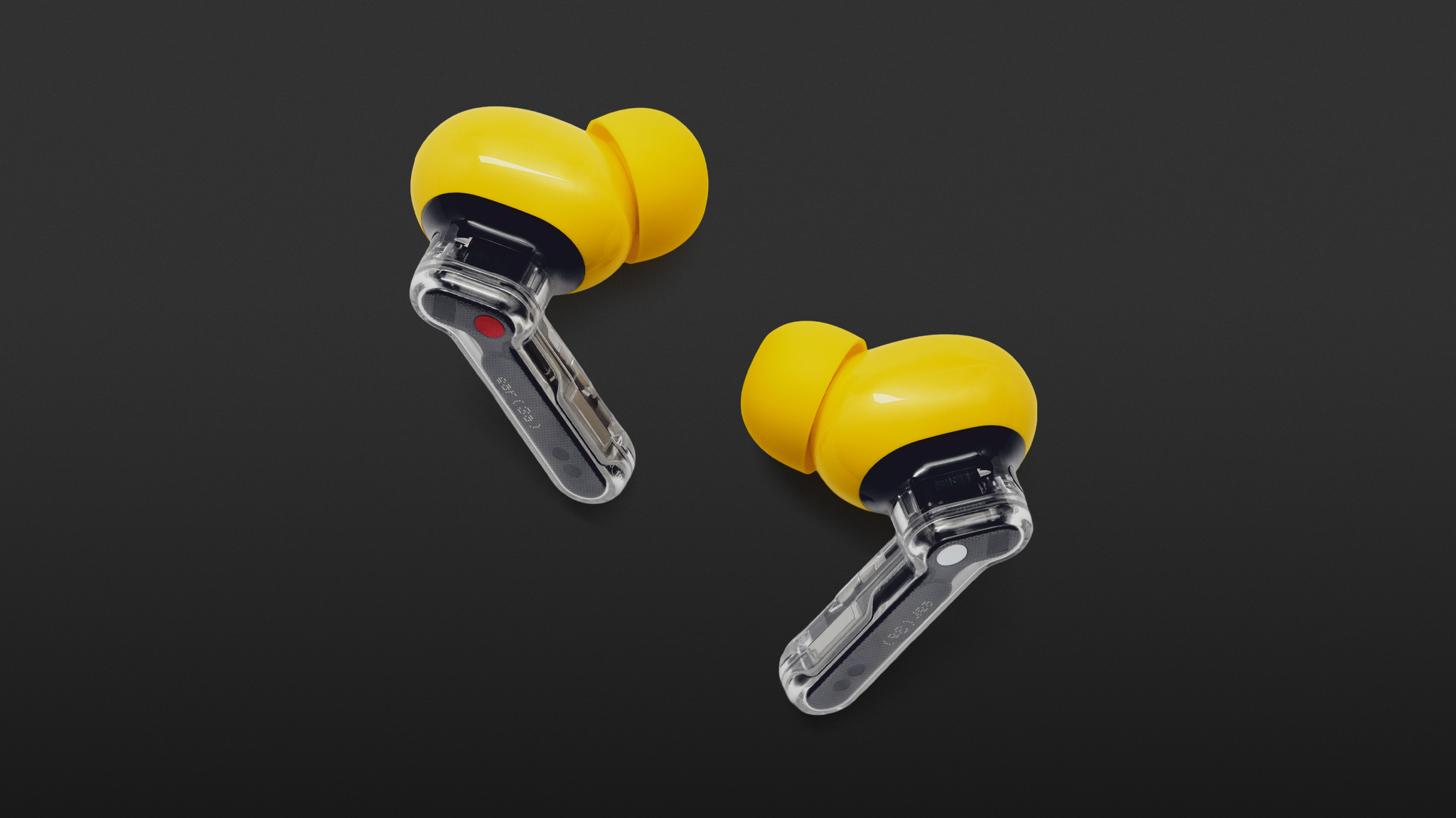
The Nothing Ear (3a)’s feature set sparks curiosity. Alongside Bluetooth 6.0, LDAC, and adaptive noise cancellation, recording functions for calls and short audio clips are available directly through the earbuds. Our test examines what options the recordings offer and how the new Nothing earbuds hold up in daily use.
Design
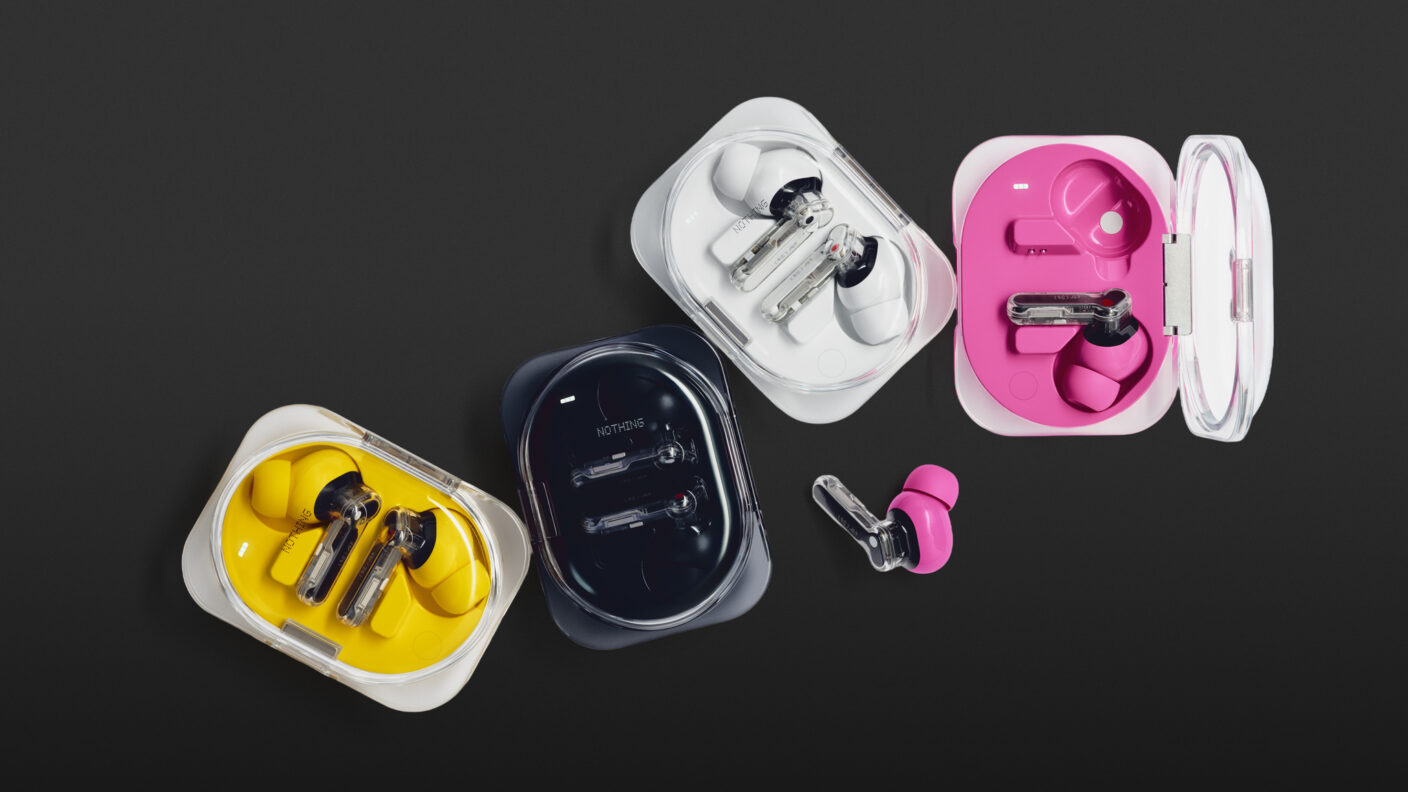
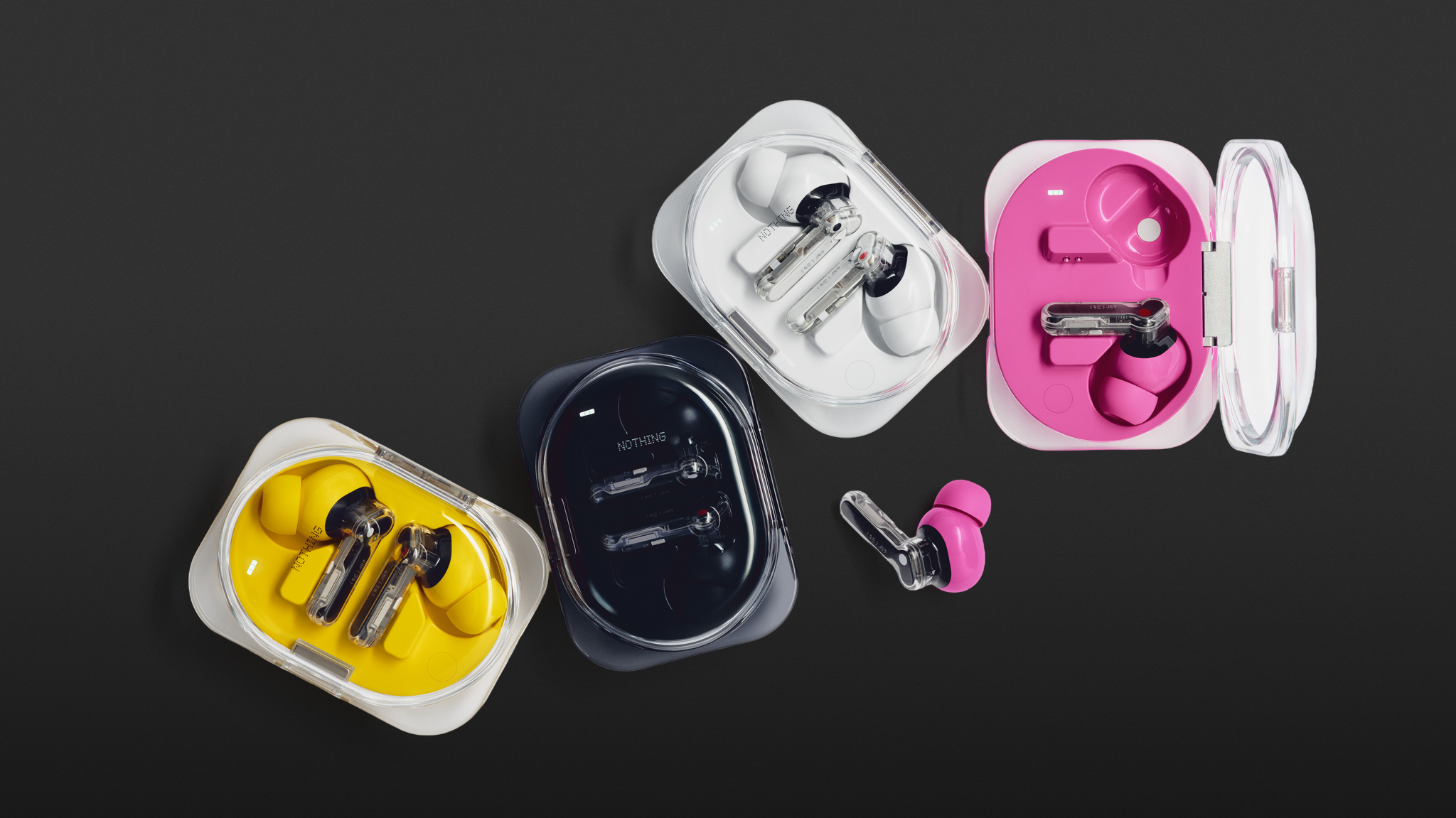
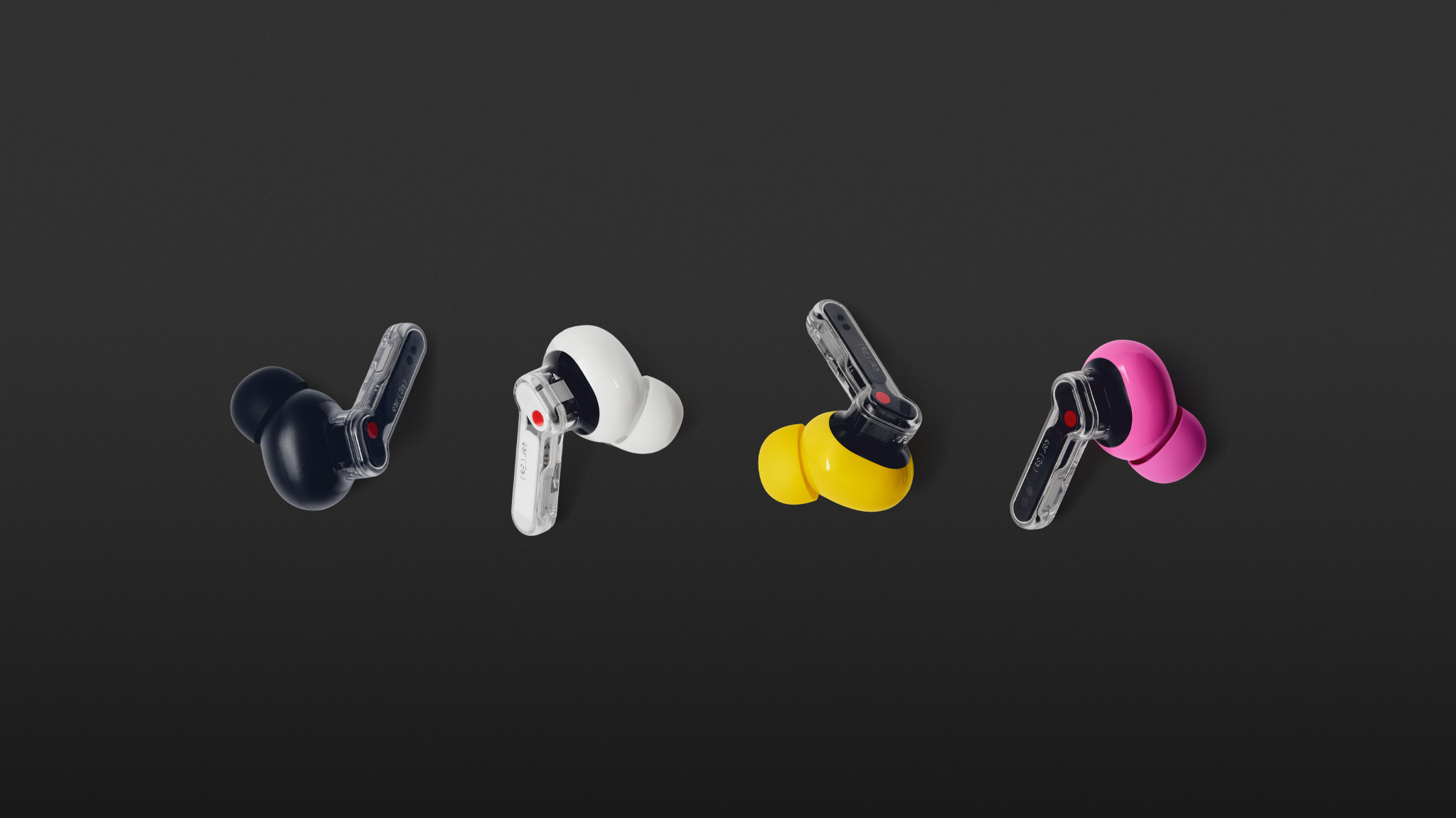
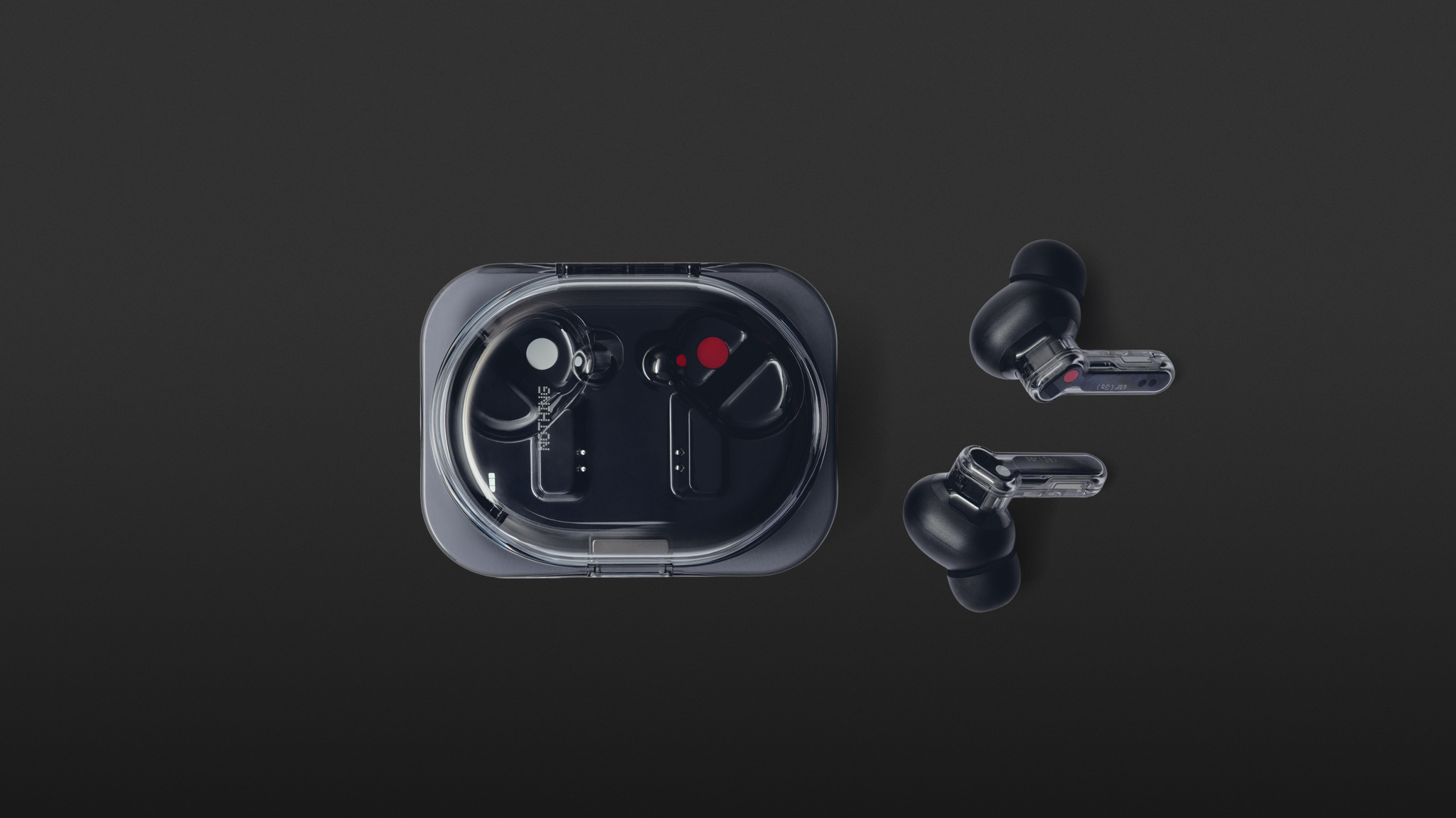
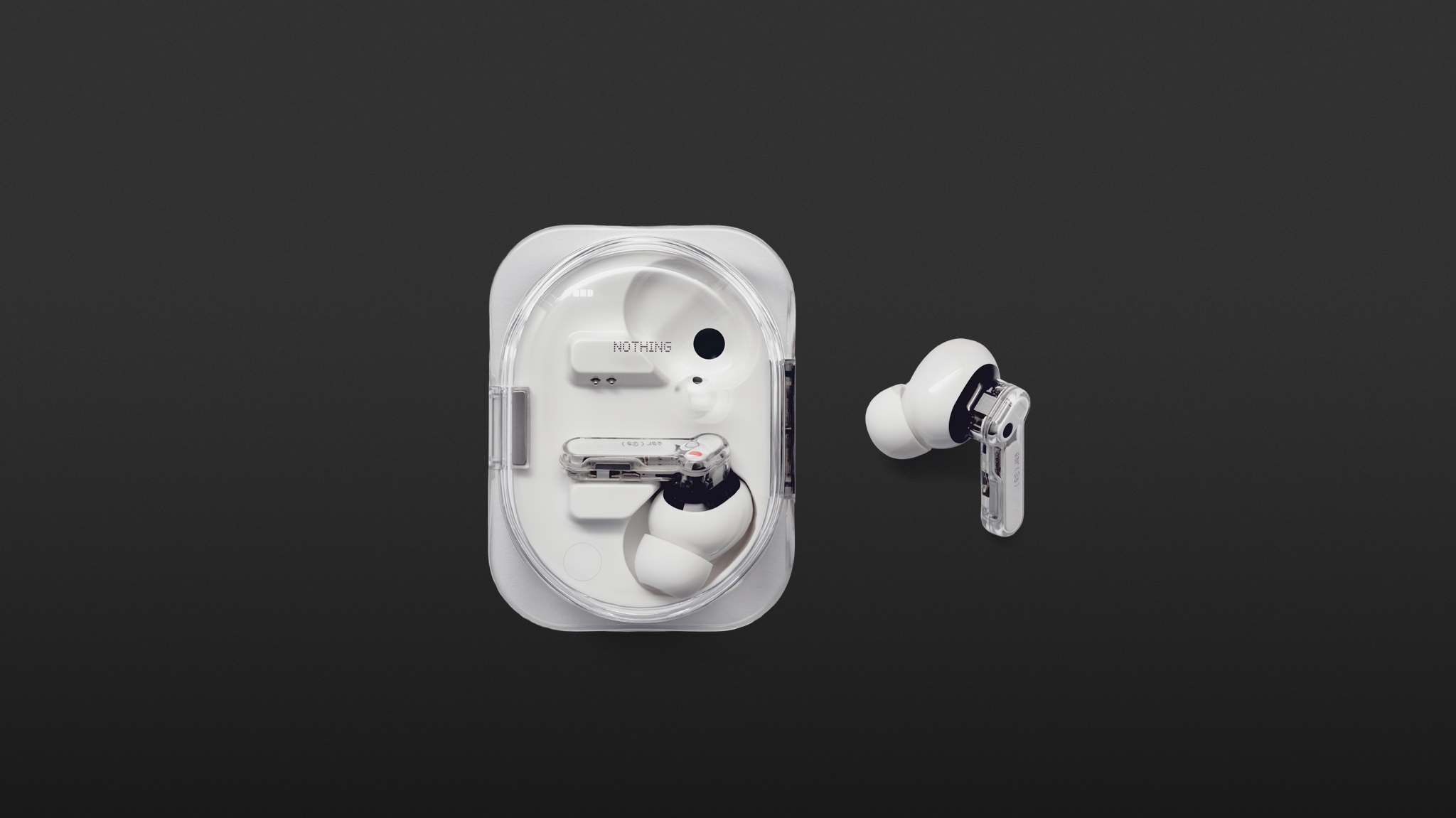
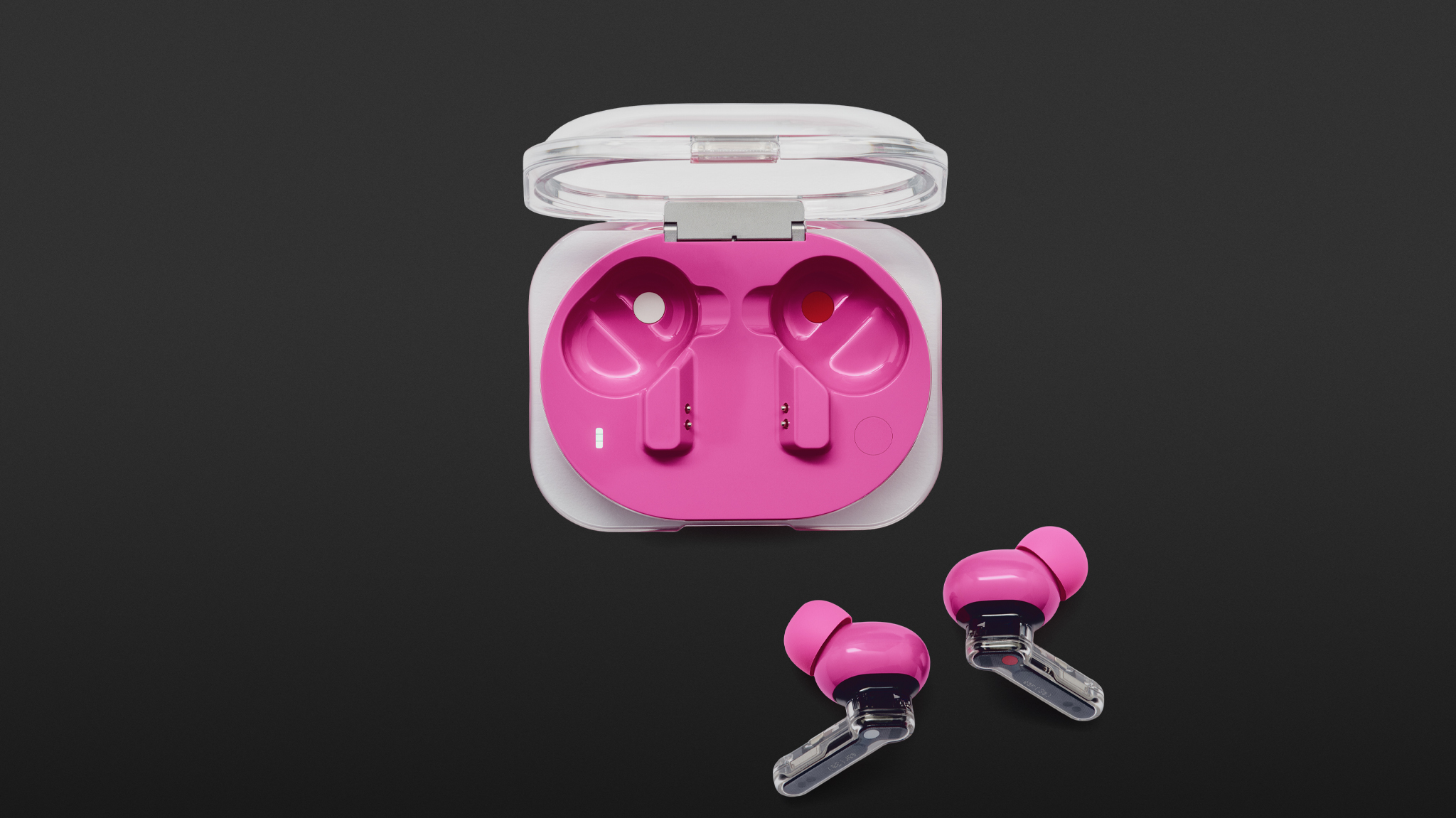
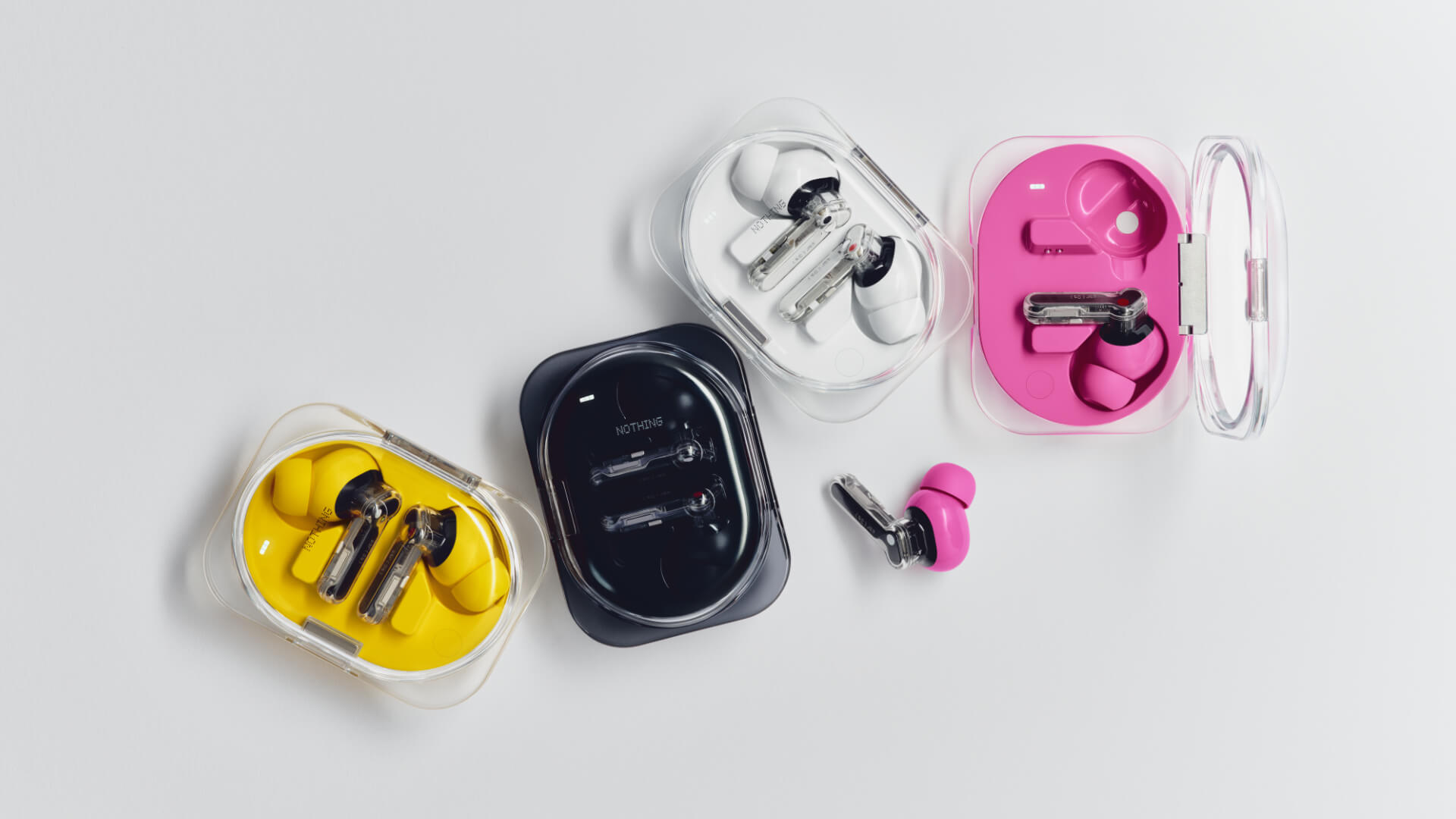
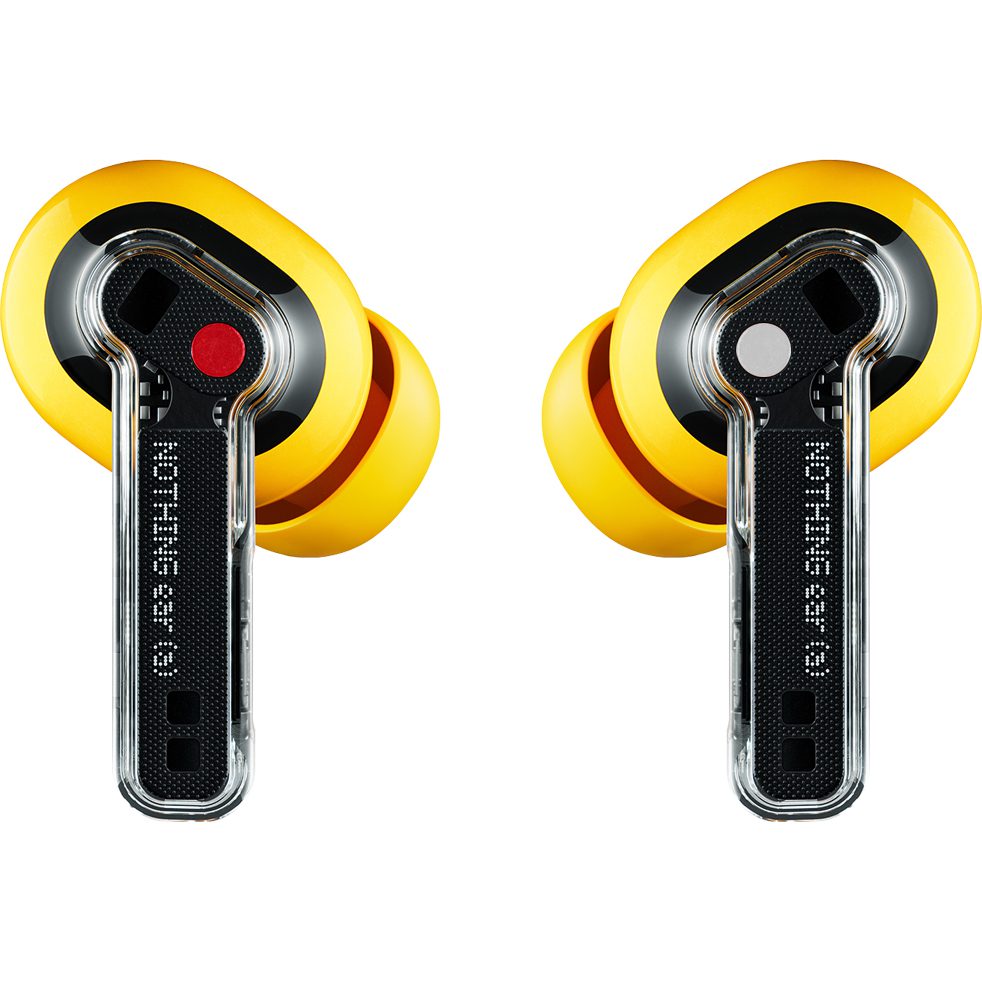
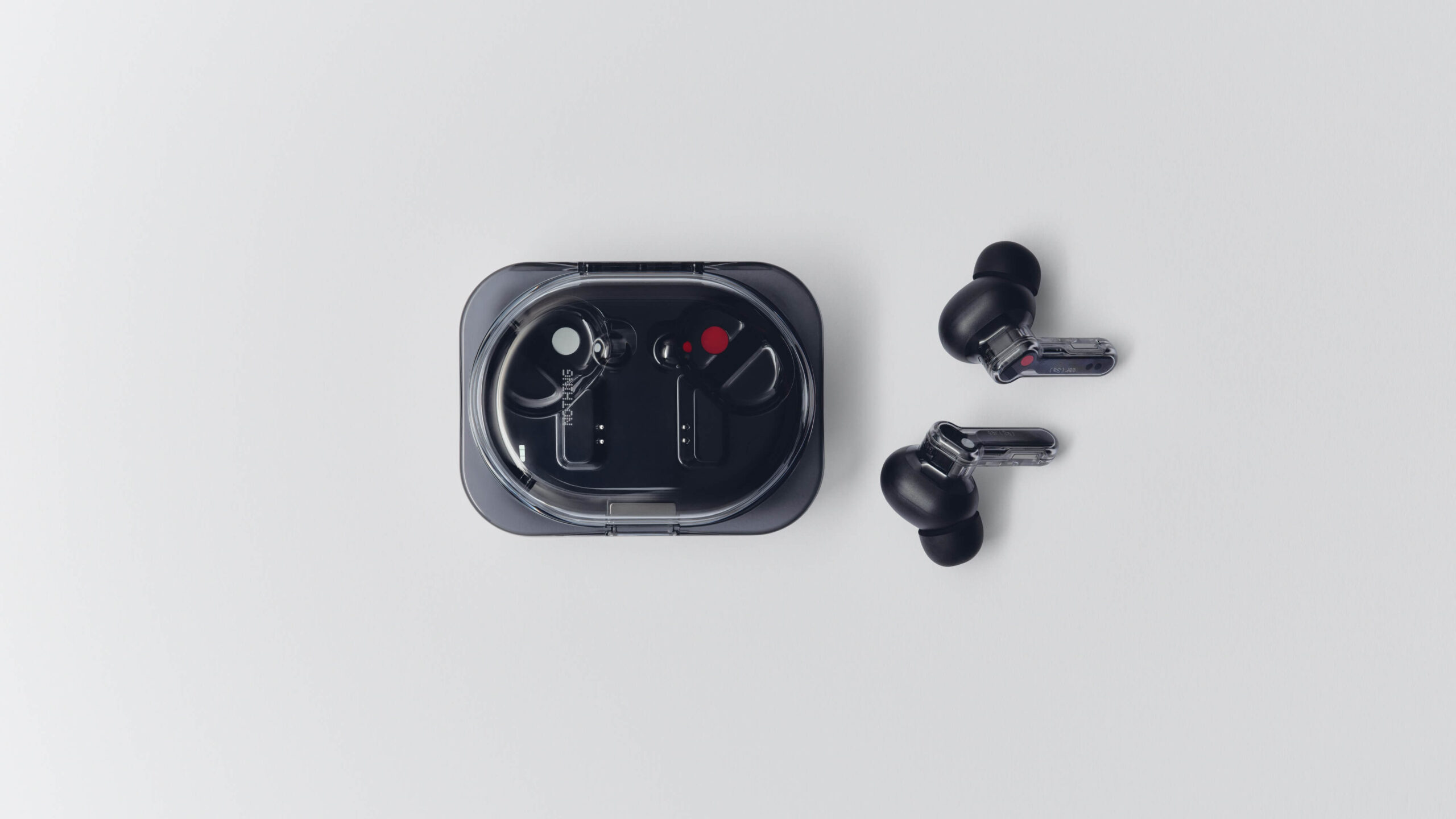
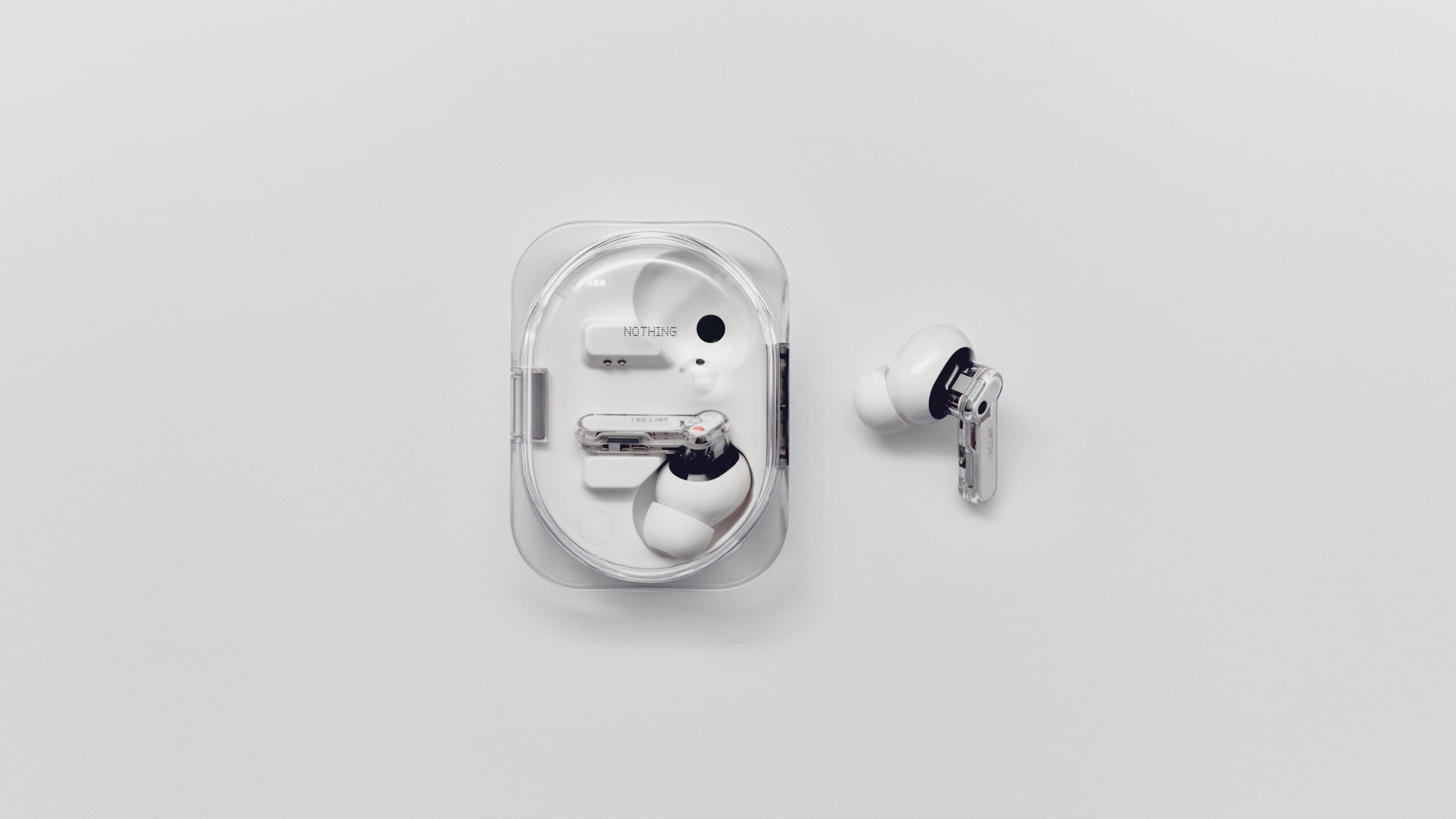
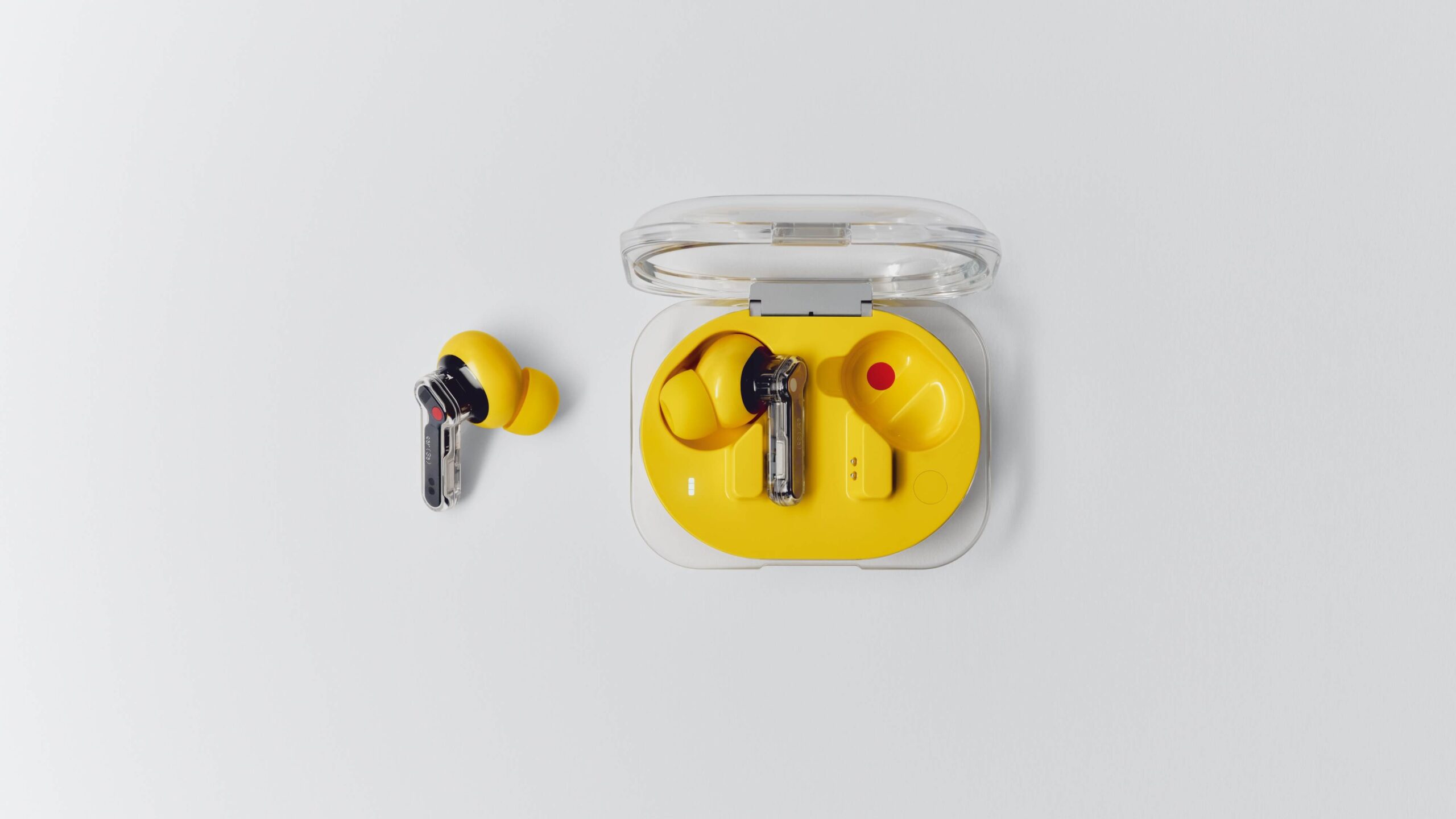
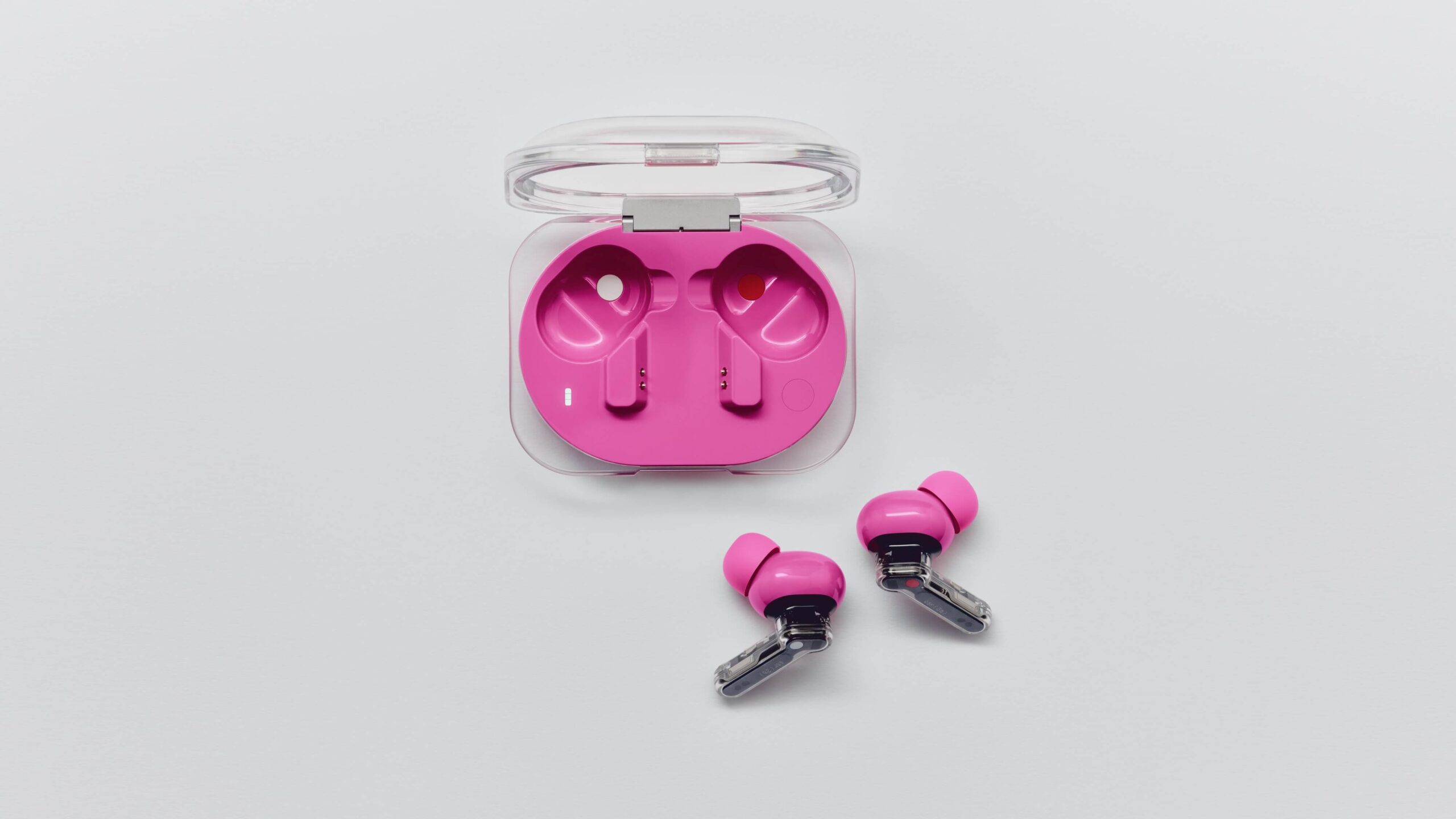
The form factor stays true to the Nothing Ear (a), even though the charging case is rounder and thus even more pocket-friendly. There are advantages in protection rating, since the case, like the earbuds, is built to IP54 dust- and water-resistant standards. The Nothing Ear (3a) also ship with an extra pair of silicone ear tips in XS and are available in black, white, and yellow as well as pink.
Battery Life
The bottom line: The Nothing Ear (3a) run for up to ten hours according to the manufacturer without ANC, or six hours with ANC active; the case delivers around three full charges, though a charging cable isn’t included.
According to the manufacturer, the Nothing Ear (3a) can achieve a runtime of ten hours when using the AAC codec. In ANC mode, six hours are stated, which seems realistic. The earbuds can also be fully recharged in the case around three times before an external power source is needed. While a five-minute quick charge provides enough capacity for a good hour, the earbuds are fully charged after 55 minutes. The case’s battery reserve can also be restored via the USB-C port within 75 minutes. However, the case doesn’t support wireless charging, and no charging cable is included.
Comparison: Nothing Ear (a) and Nothing Ear (3a)
The bottom line: Compared to the Ear (a), the Ear (3a) add static Spatial Audio, recording functions, larger drivers, the 8-band EQ, and more efficient ANC with Bluetooth 6.0, while multipoint, codec selection, and low-lag mode remain the same.
New features include static Spatial Audio as well as the ability to record media and calls. The Ear (3a) also feature even larger drivers and come with the “advanced” 8-band EQ. Noise cancellation also works more efficiently, especially since the successor model was updated to the Bluetooth 6.0 standard. Support for multipoint connections with two devices, as well as Microsoft Swift Pair and Google Fast Pair, remains identical. The low-lag mode for gaming and video has also stayed, as has the selection of audio codecs with SBC, AAC, and LDAC.
Nothing Ear (a)
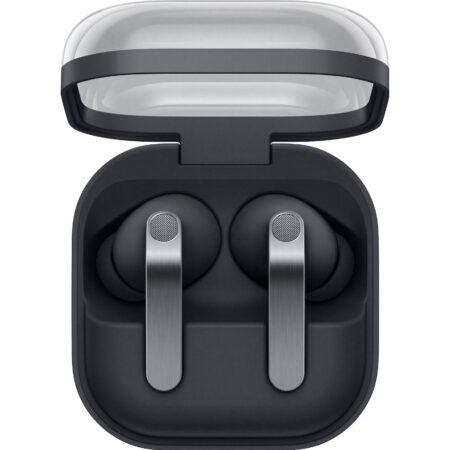
Lightweight, handy True Wireless in-ears with personalised ANC and LDAC.
Controls
The bottom line: The pressure-sensitive stem controls cover playback, calls, track skipping, ANC switching, and starting recordings, only manual power on/off for the earbuds isn’t supported, which is why the case is always needed.
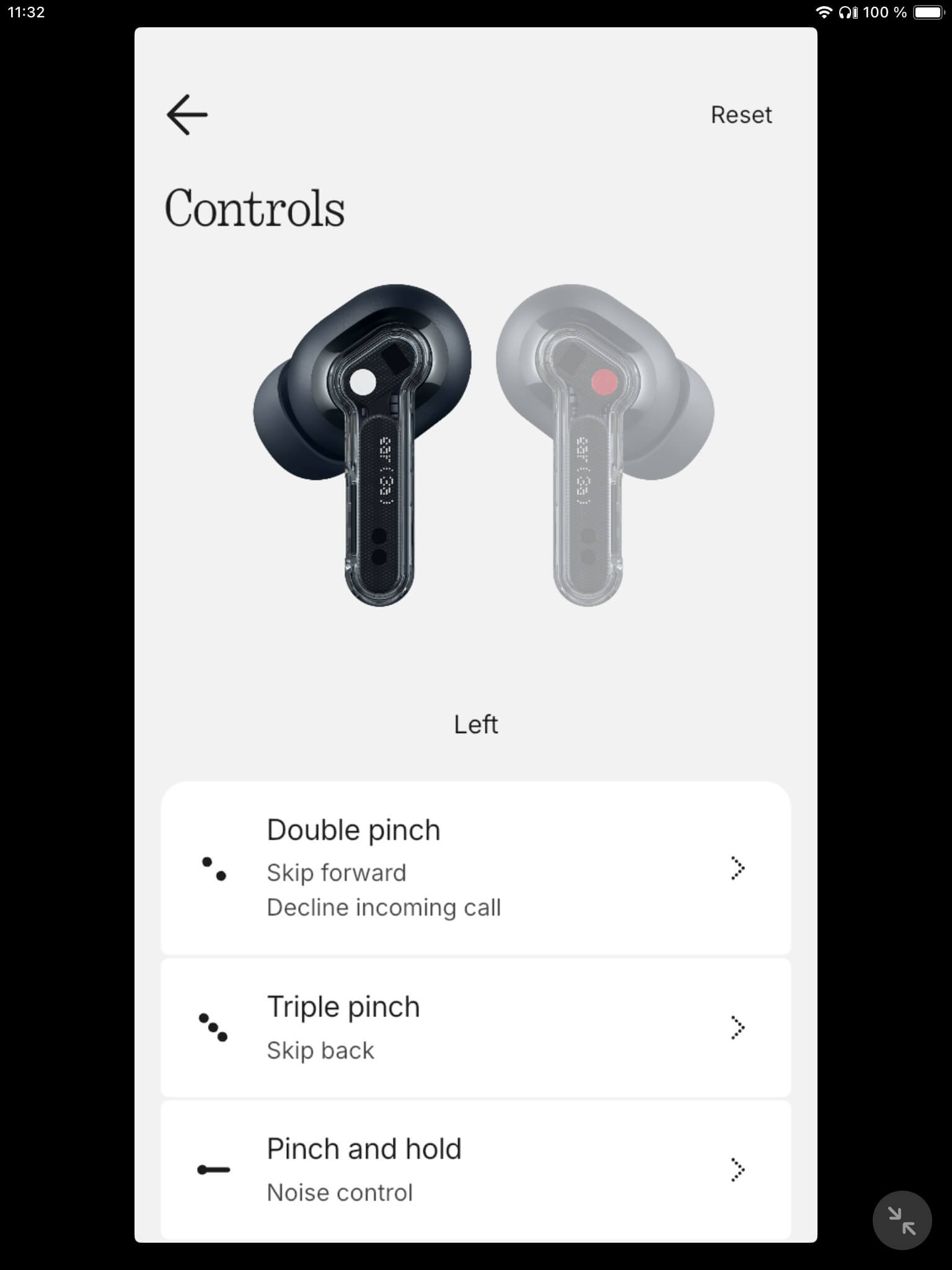
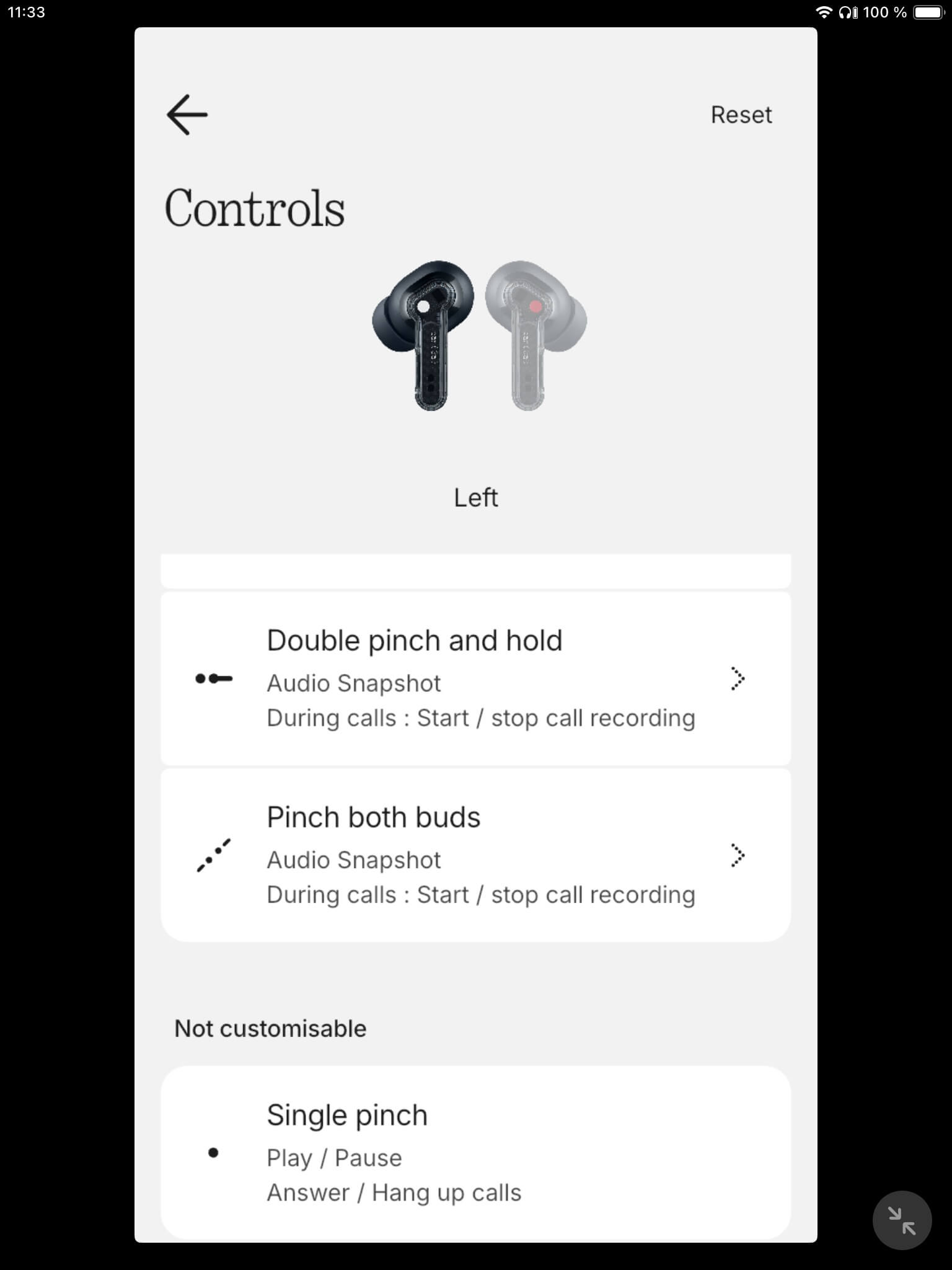
The pressure-sensitive stem controls respond without lag and, out of the box, allow you to control playback, handle calls, and skip tracks forward or backward. Also covered is switching between ANC and transparency mode, which can be expanded via the app to include the base mode. Starting and stopping the recording function directly on the earbuds is also part of the standard repertoire.
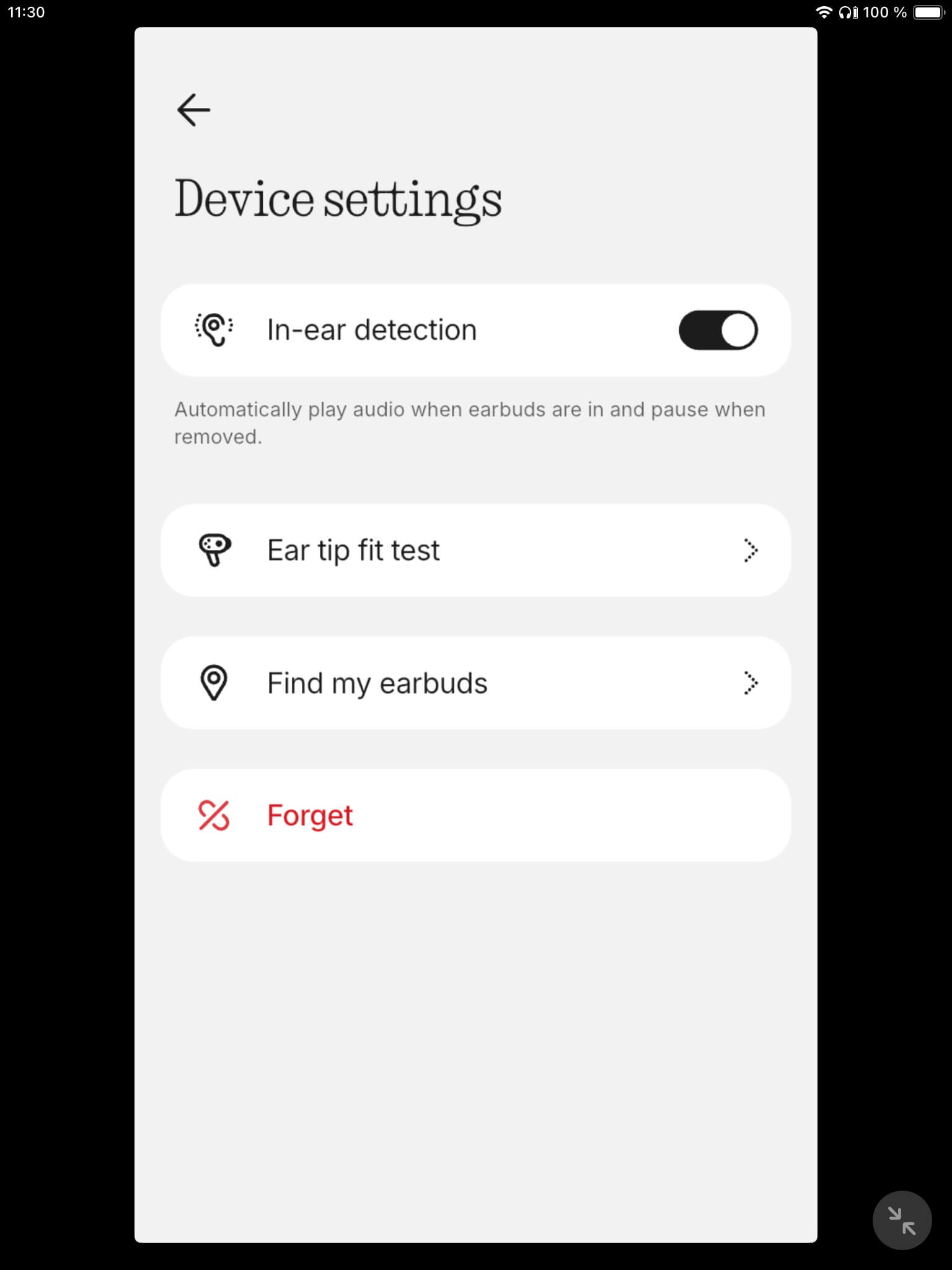
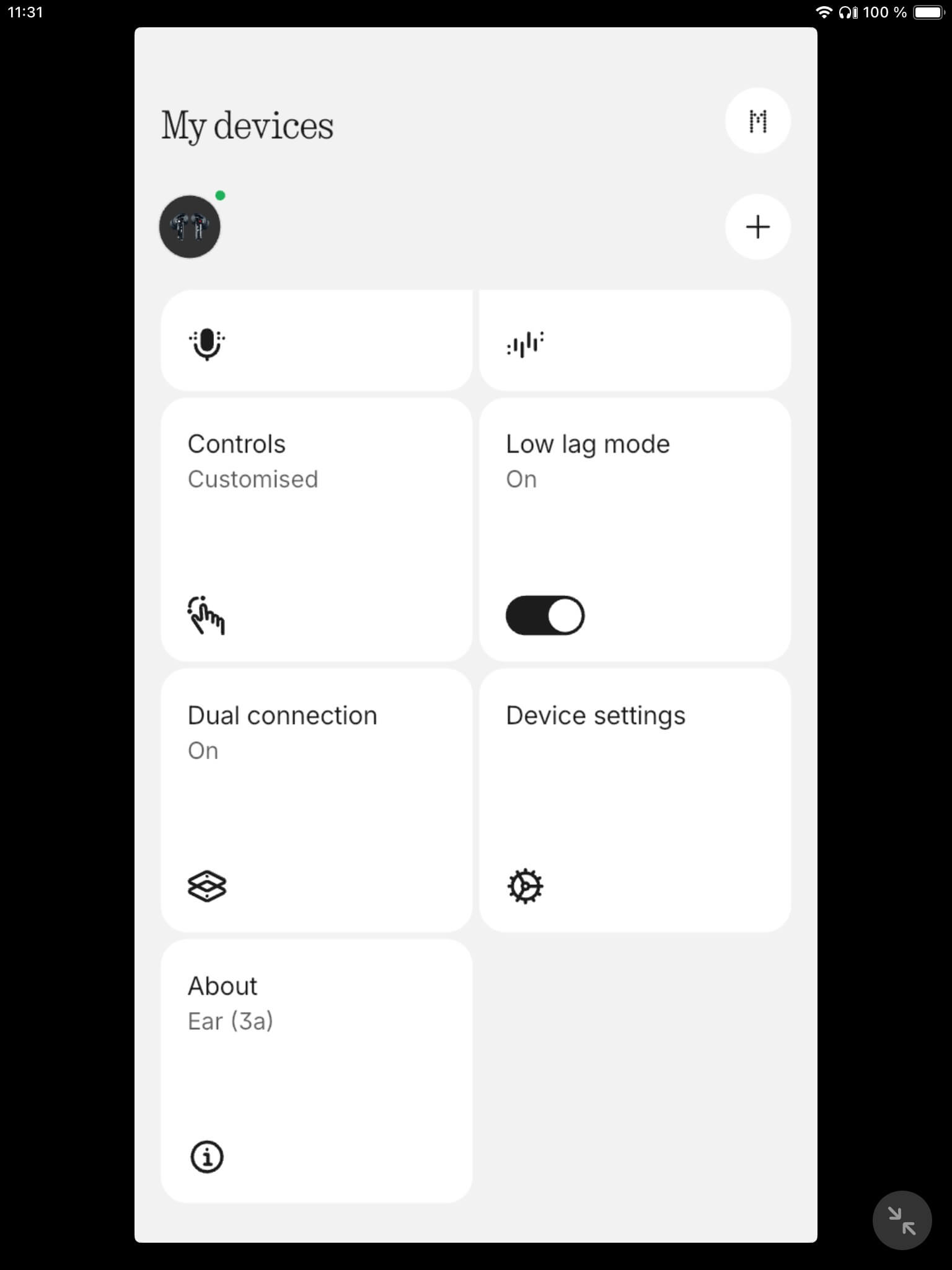
Alternatively, volume control, the voice assistant, or muting the microphones can be selected via the app. Additionally, ChatGPT and Essential News can be integrated via a Nothing Phone. Manual power on/off for the earbuds isn’t supported, however, meaning the case is always required. As with the Ear (a), though, single-earbud use is possible, and wear detection is present, which can be switched on or off as needed via the app.
Nothing X App
The bottom line: The app offers three static ANC modes plus one adaptive mode, a simple and an 8-band EQ, community presets, a find-my-earbuds feature, a fit test, and firmware updates, though the 8-band EQ still struggles with volume loss.
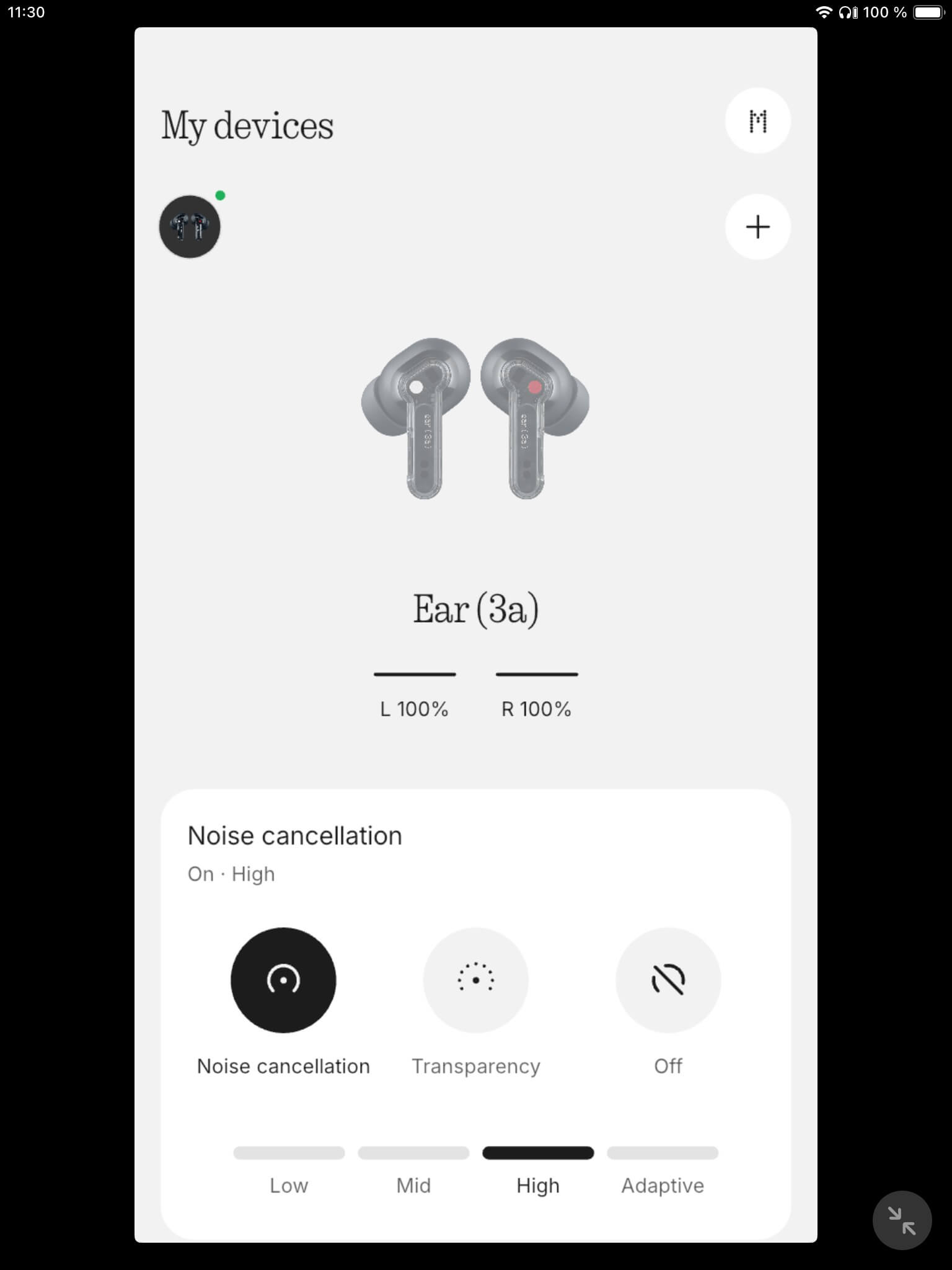
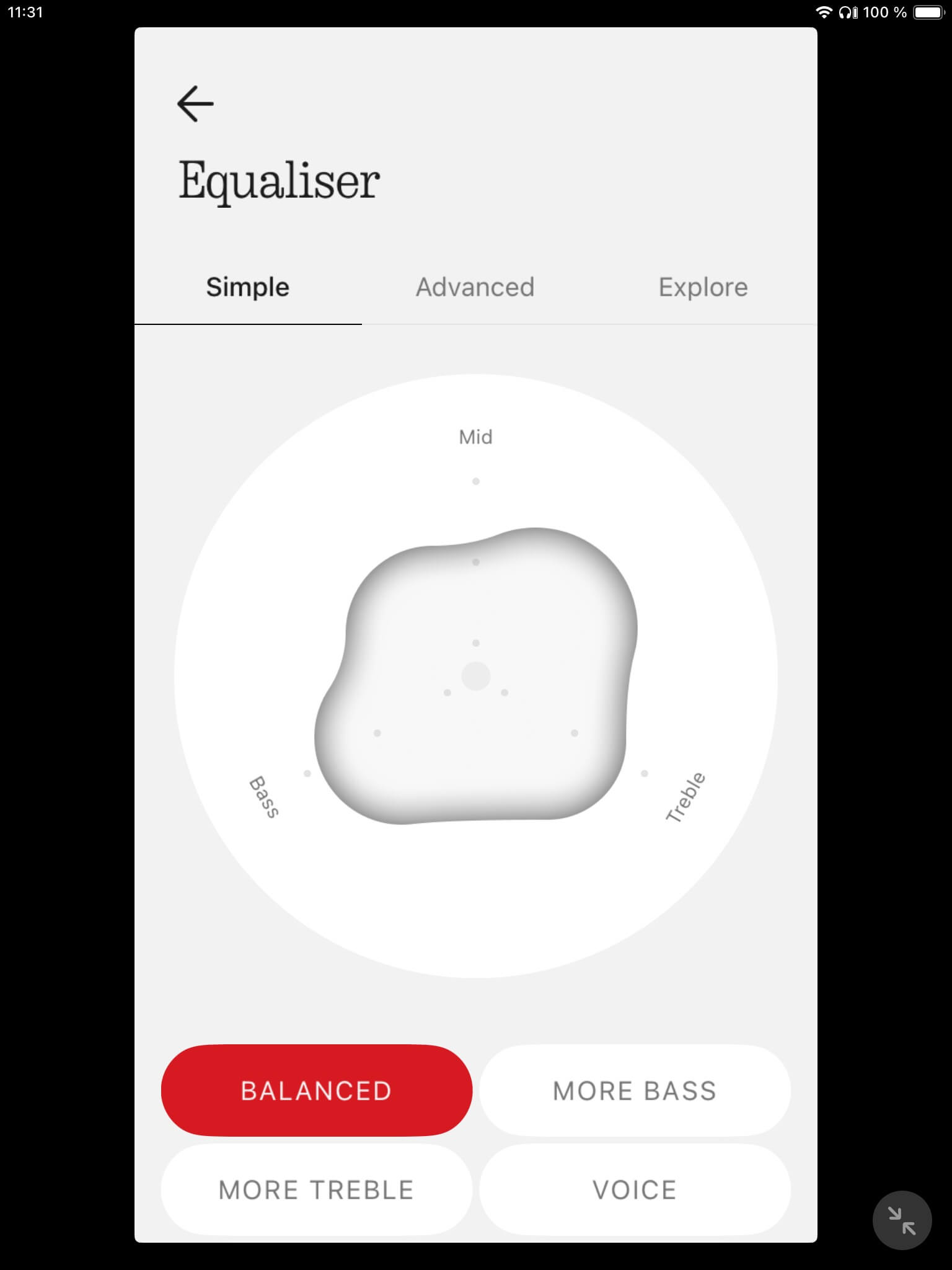
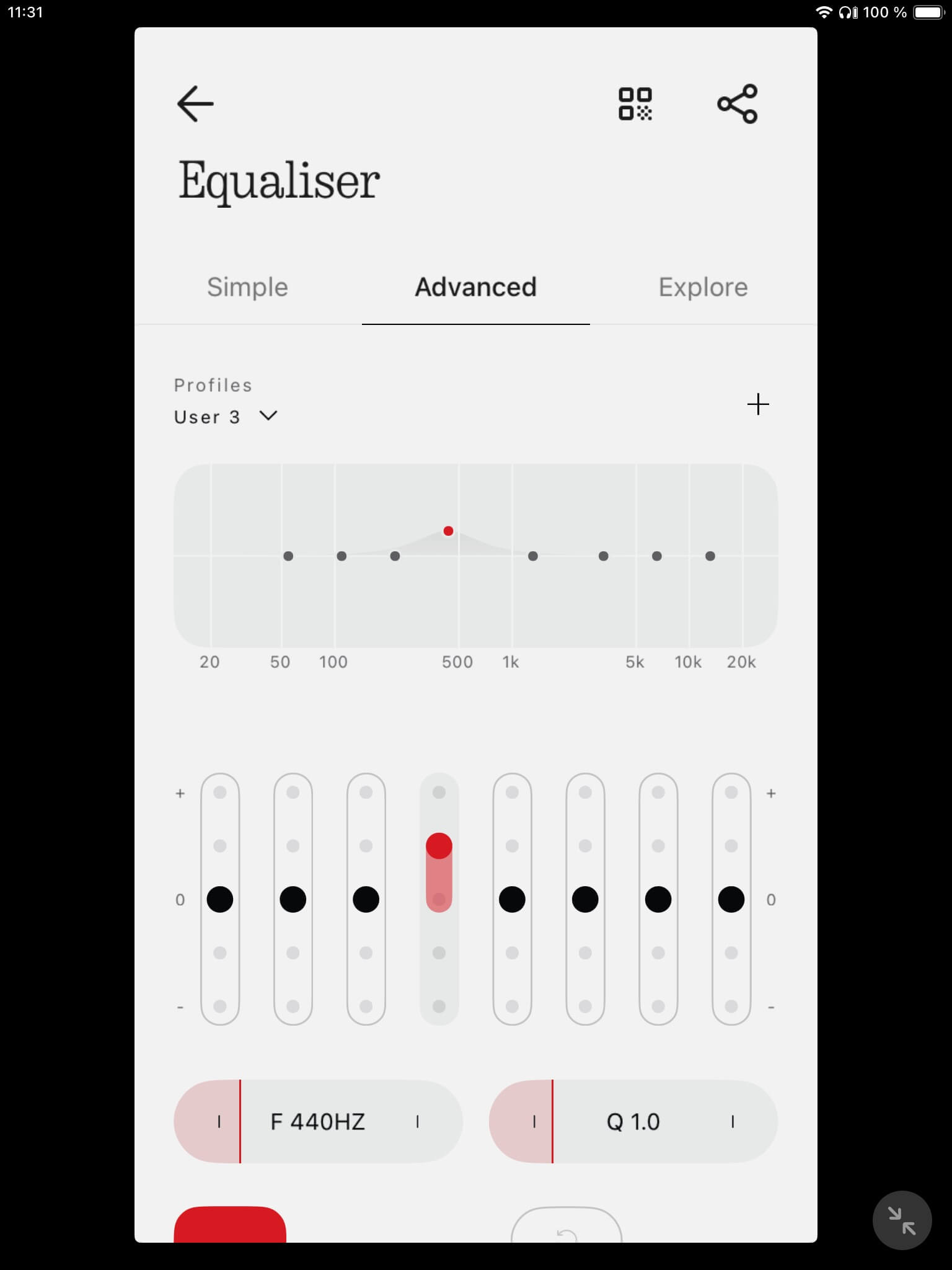
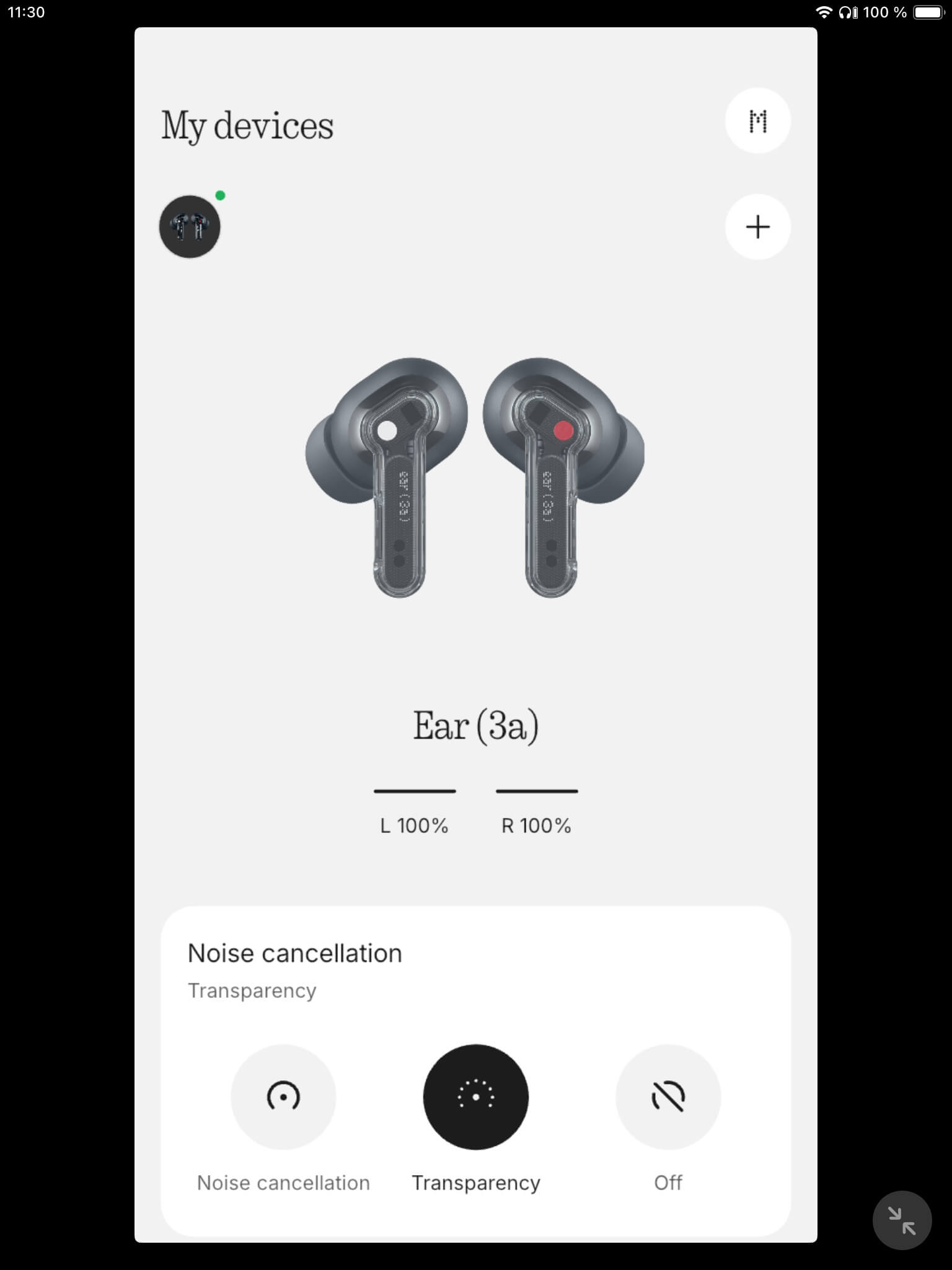
Through the well-structured app integration (Android and iOS), you can choose between three static ANC modes labeled “Low,” “Medium,” and “High,” an adaptive ANC mode, and a general transparency mode. Sound control on the Nothing Ear (3a) is also extensively equipped, split into a “simple” EQ with three axes for the low, mid, and high frequency ranges, and an “advanced” EQ with eight bands. It was noticeable, however, that the 8-band EQ causes a loss of volume, which would still need to be fixed via an update. On the practical side, various community presets are set to be integrated. The Ear (a)’s adjustable bass-enhance function was dropped, however.
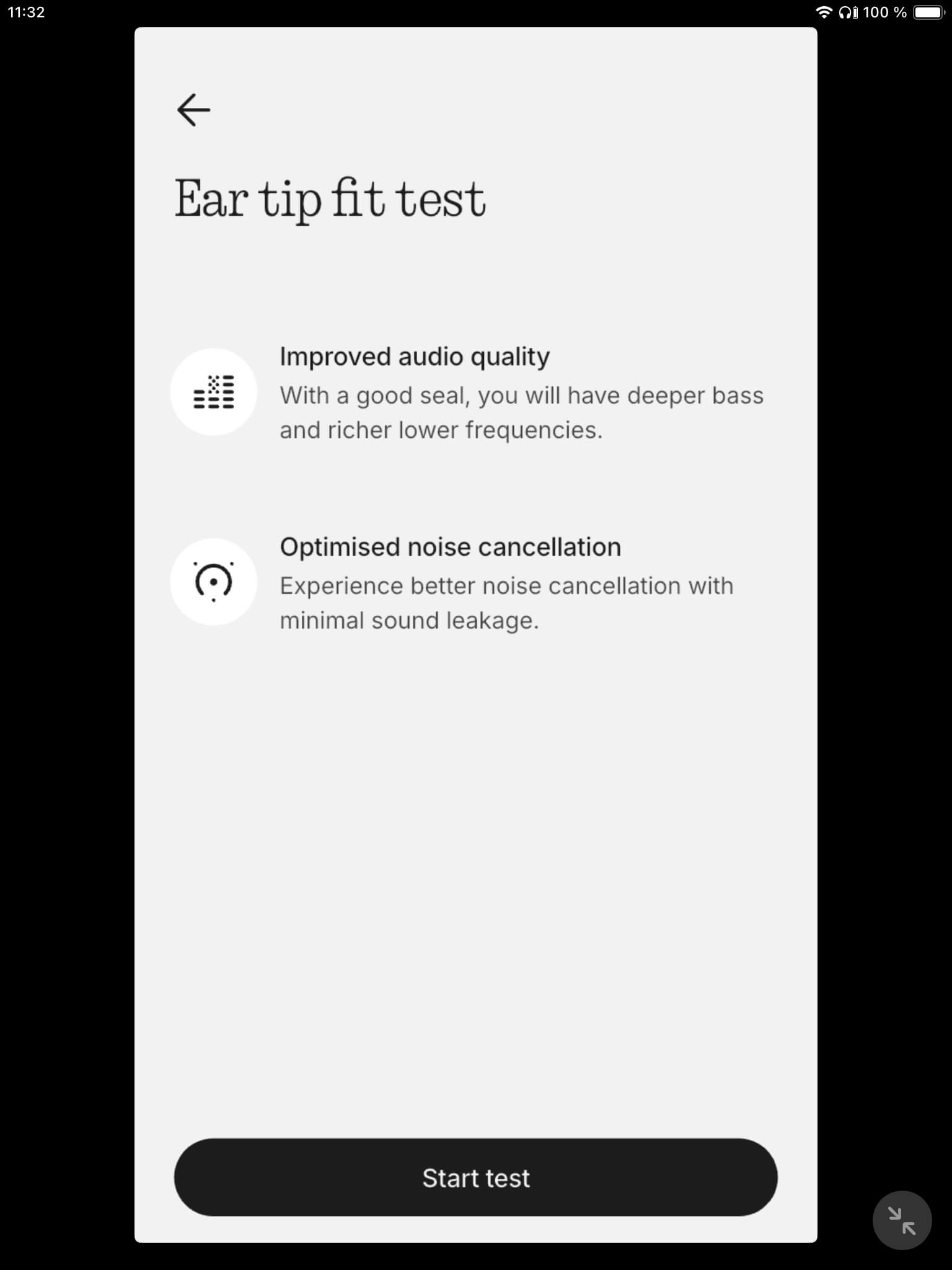
A find feature can help locate the earbuds by playing sounds, while the fit test assists with trying out the different ear tip sizes. Firmware updates can also be carried out via the app, and LDAC can additionally be activated on compatible Android devices.
Recording Calls and Media Playback
The bottom line: The internal flash memory records around two hours of audio in impressive quality, limits individual clips to 60 seconds for copyright reasons, and gives clear advance notice before recording calls.
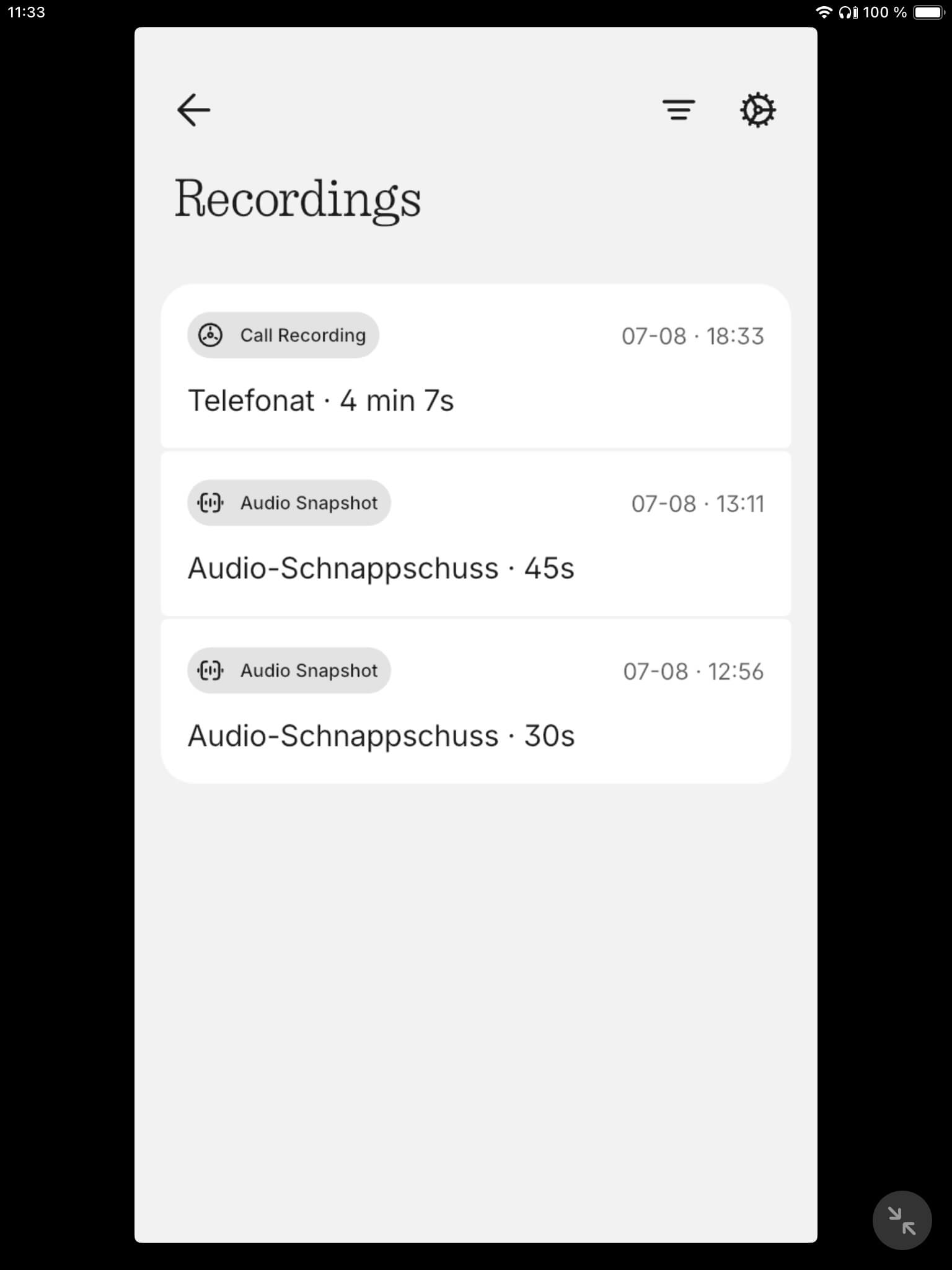
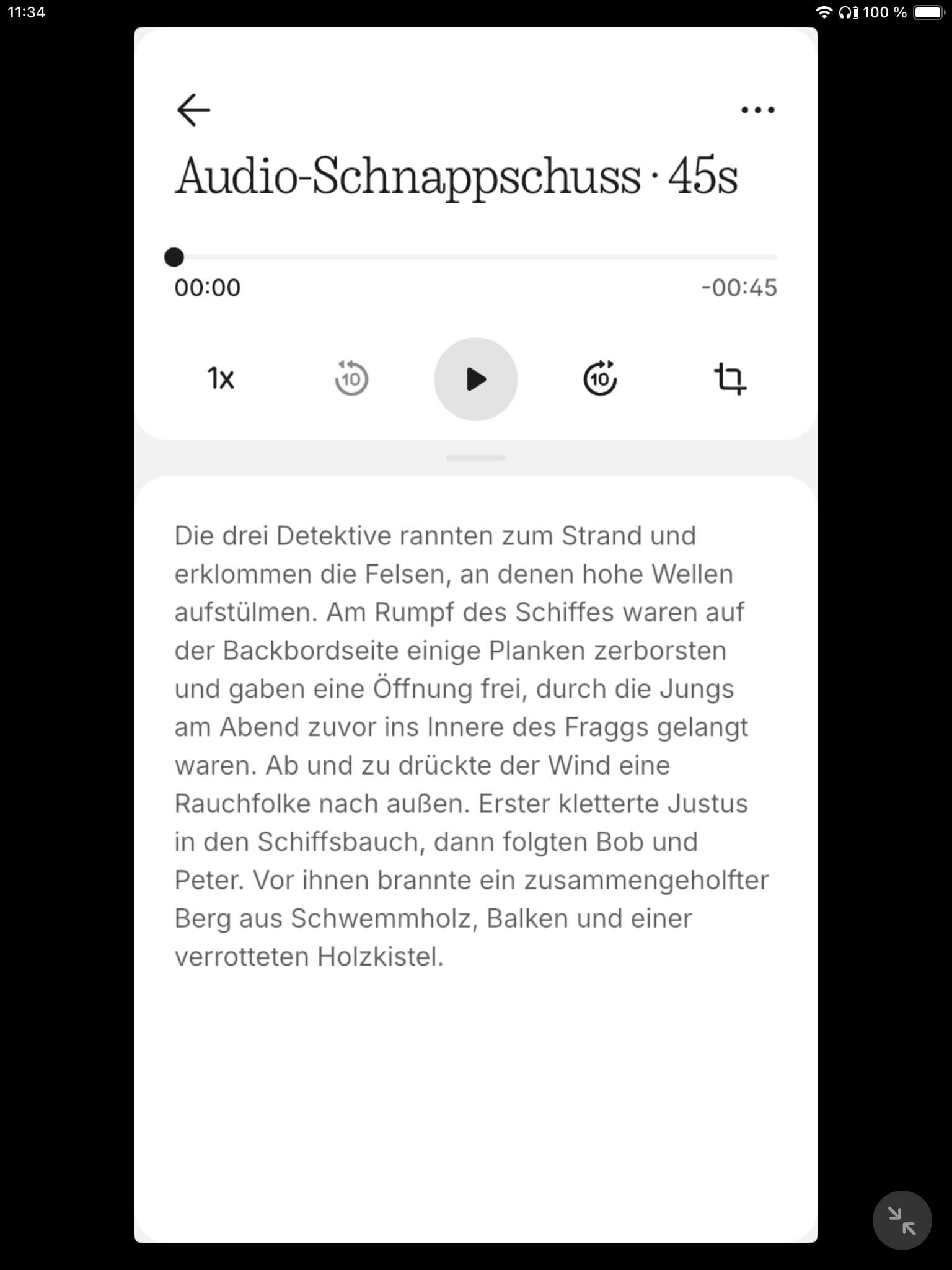
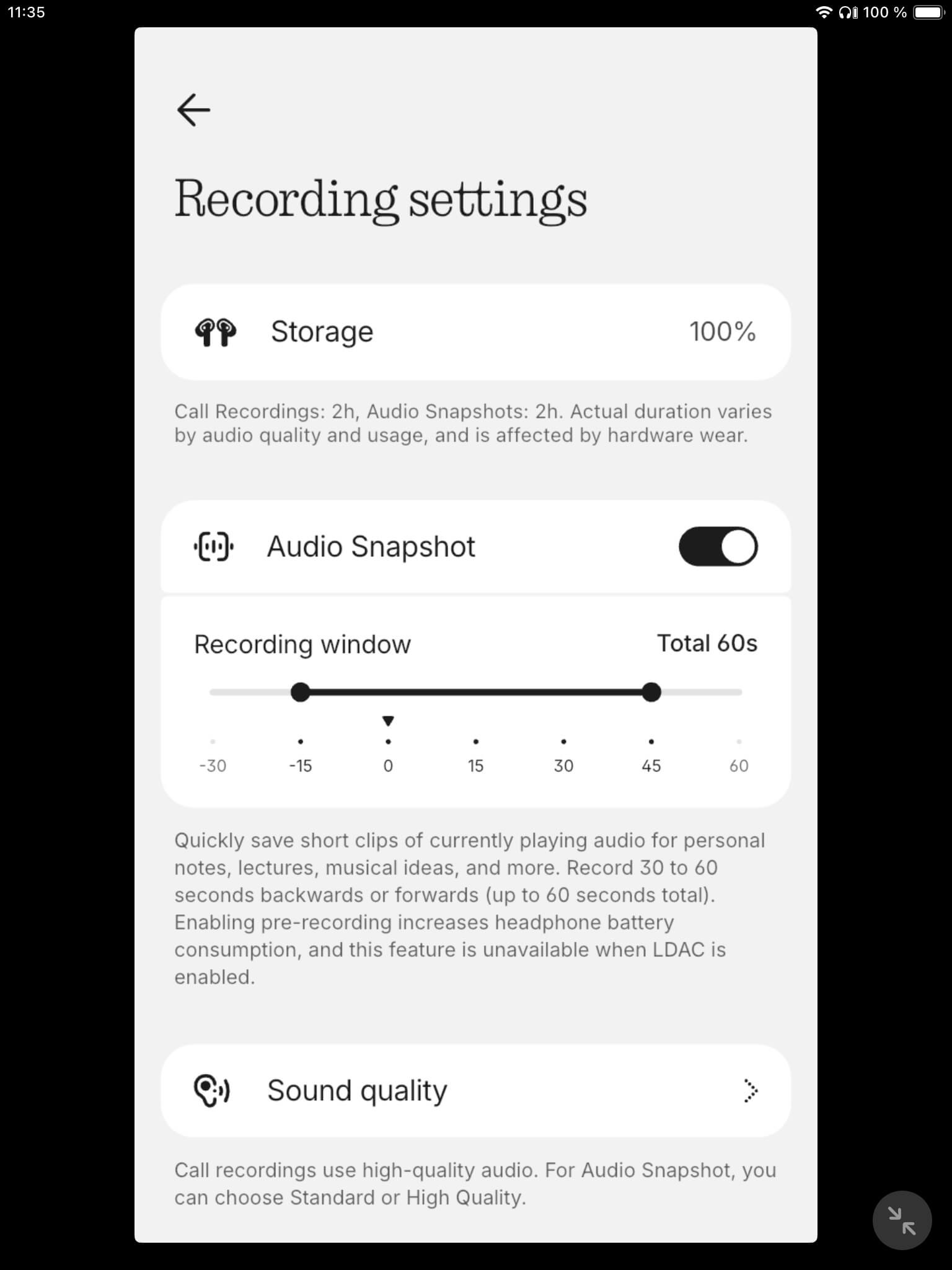
The built-in flash memory allows for around two hours of recording time, so you can either capture numerous short audio snippets during playback or longer online meetings and phone calls. Individual snippets are capped at 60 seconds to avoid copyright infringement. However, the start of a recording can be shifted back in time, for example to catch a book recommendation you just heard on a podcast without having to rewind. Absolutely brilliant!
When recording calls, an announcement is given beforehand, so no one is recorded without their knowledge, and there’s the option to leave the meeting or call. The feature is also only meant to be available where EU data protection requirements are met locally, which currently applies to France, Germany, and Switzerland. Verification requires signing in within the app. Nothing also states that the recording functions comply with the international data protection standards ISO 27001, ISO 27701, and EN 18031, and that all common communication platforms such as WhatsApp, FaceTime, Google, and so on, as well as cellular calls, are supported.
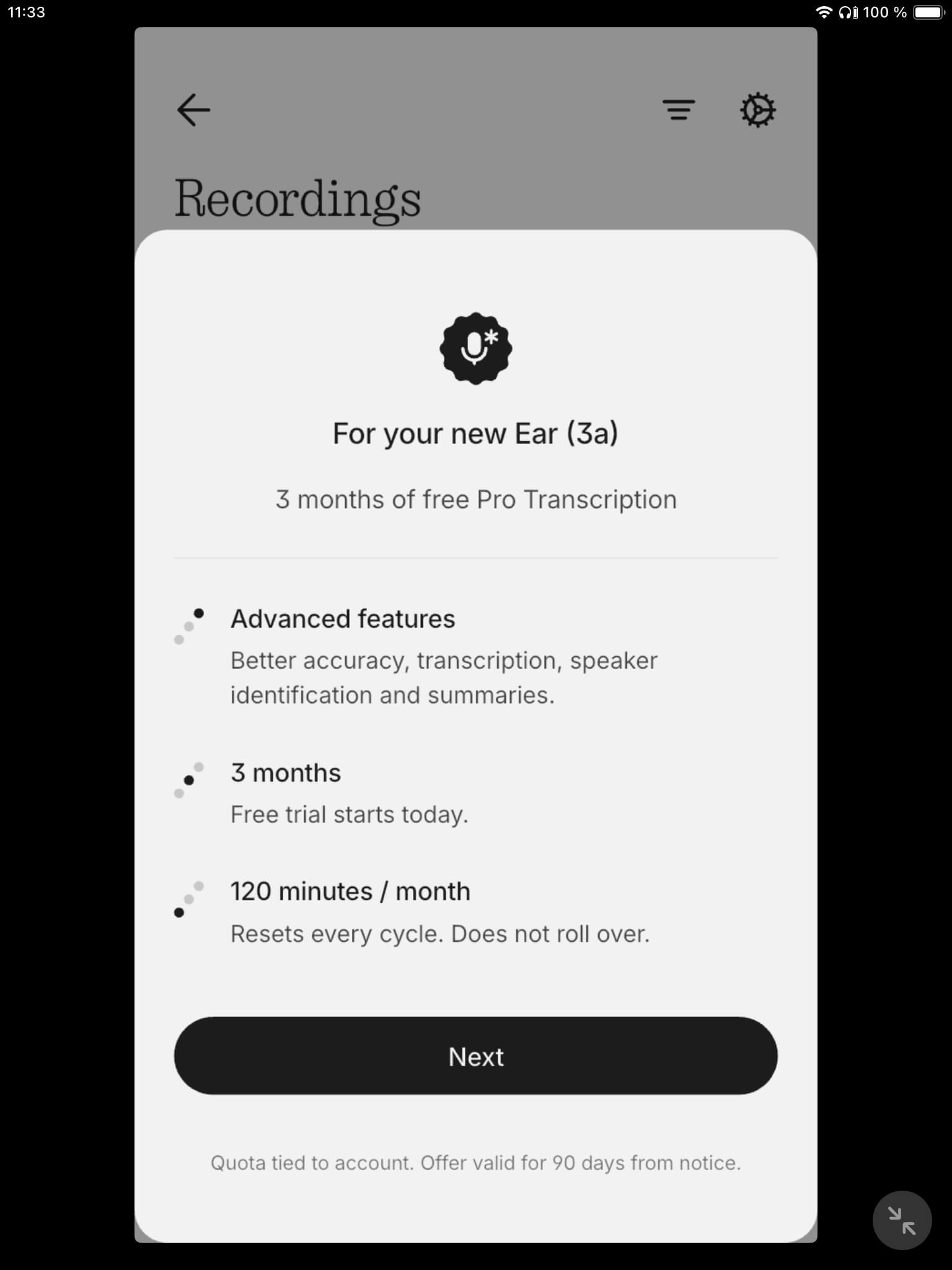
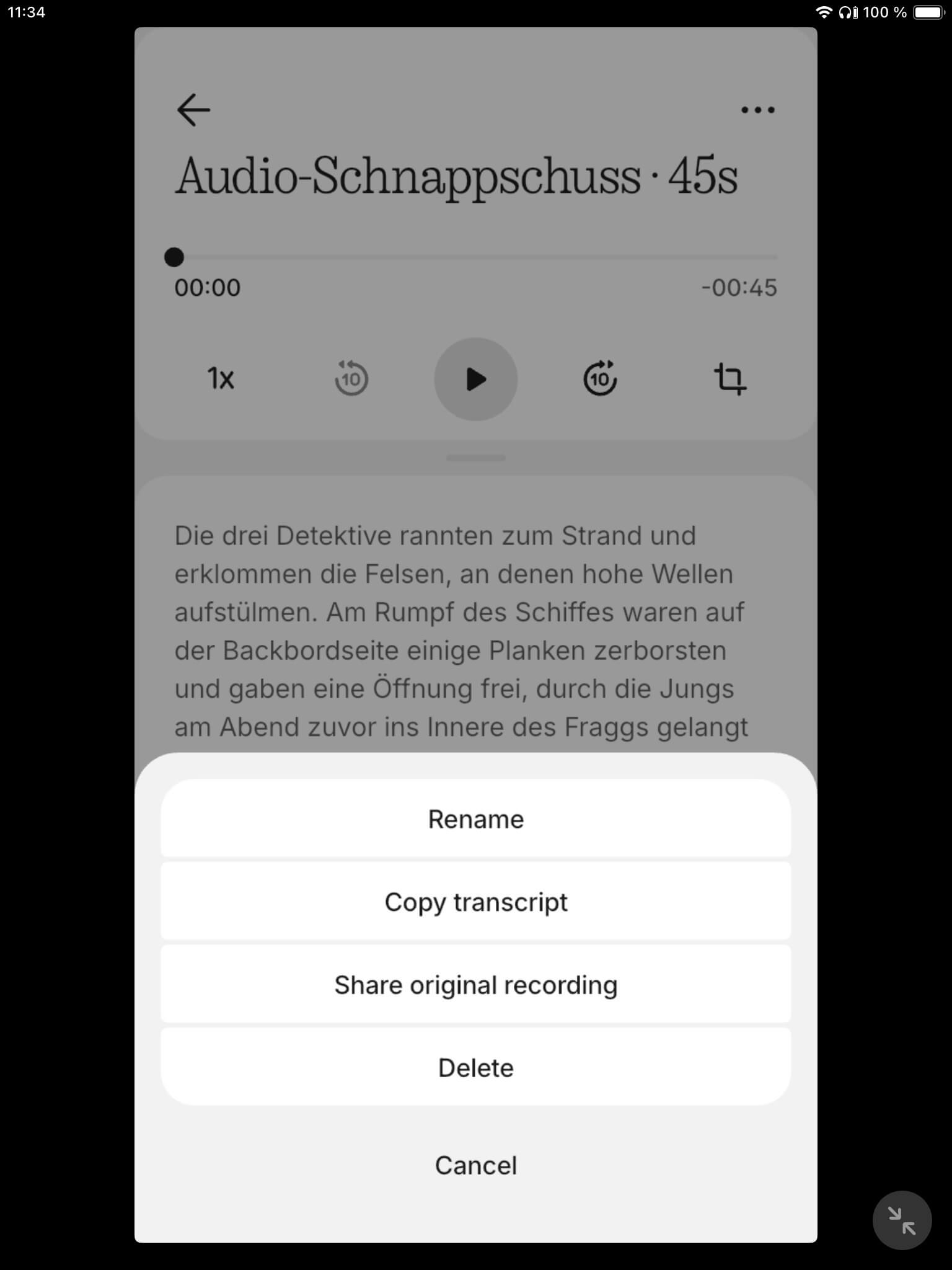
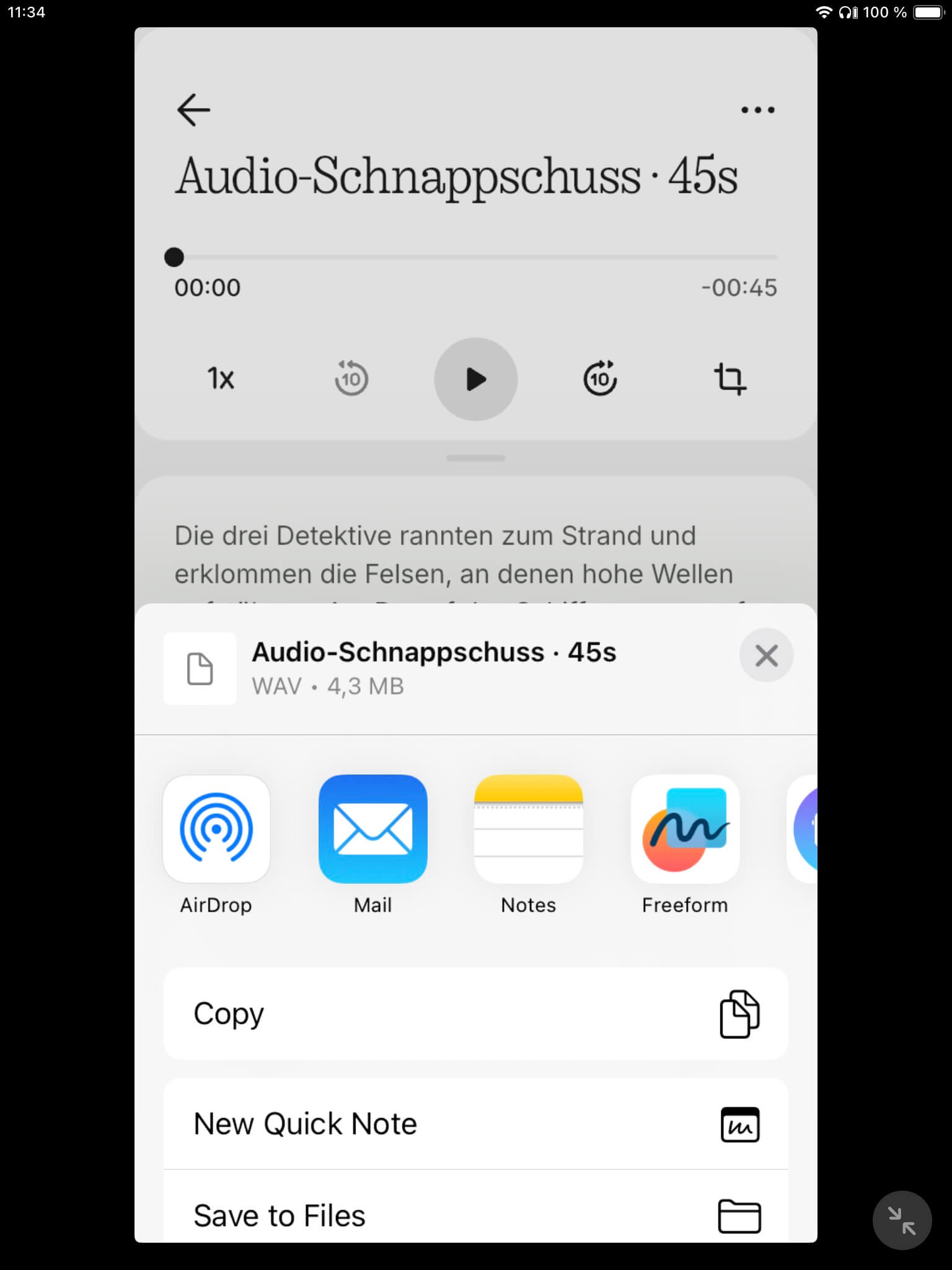
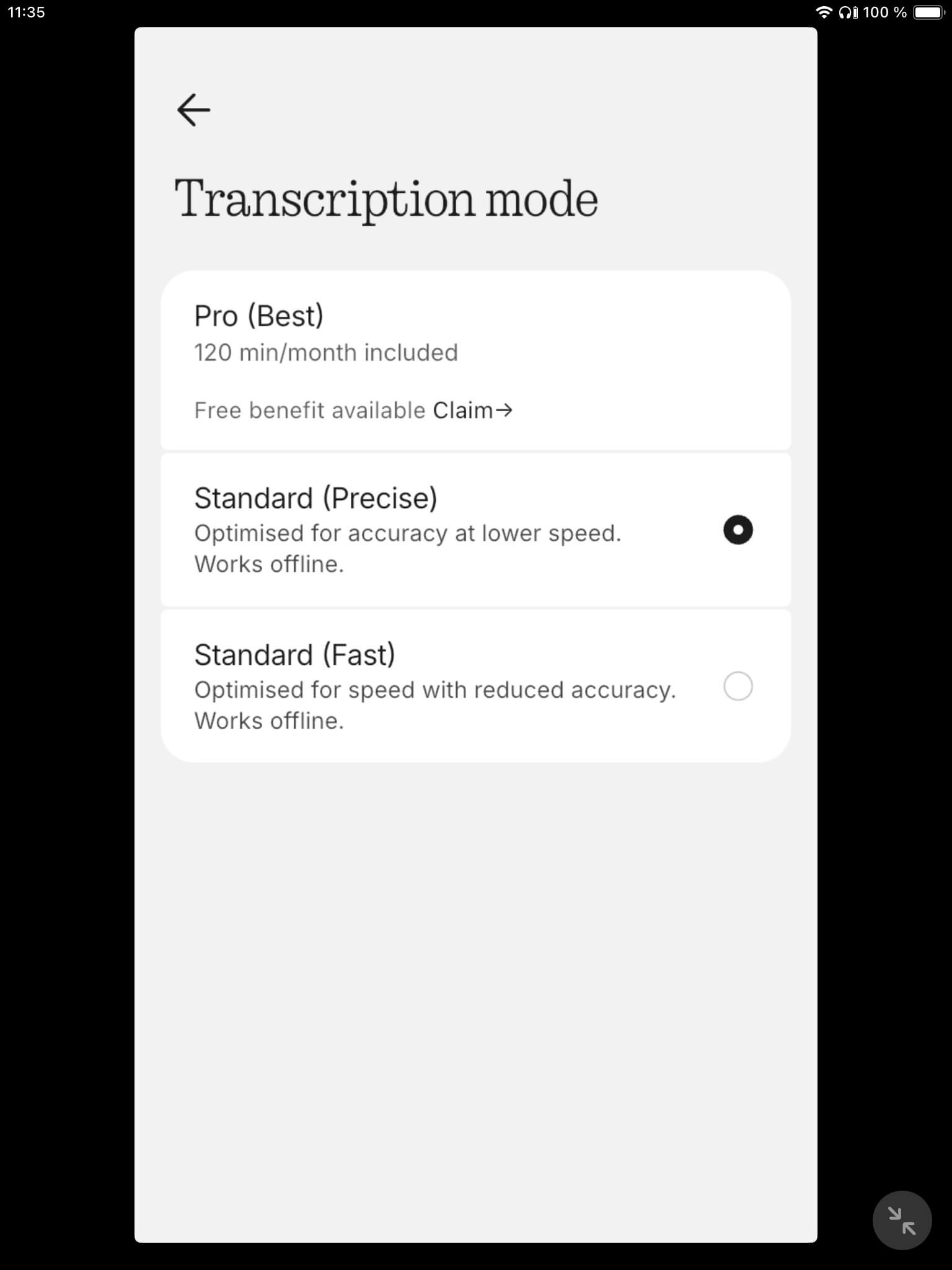
The recordings are of impressively high quality and can afterward be saved, copied, or shared as a WAV file via the app. Editing or transcribing at different quality levels is also possible. So far, all functions are usable free of charge, though the Pro tier is limited to three months. Data used for transcribing or summarizing is processed on the server of an AI provider in Paris, but is said to be neither stored nor used to train AI models.
Speech Intelligibility on Calls
Three AI-assisted microphones per side ensure clear, crisp voice transmission on the Nothing Ear (3a). Even in stronger gusts outdoors, your own voice remains perfectly understandable, since wind noise is largely filtered out and only shows up to the other person as a slight rustling in the background. In loud ambient noise, however, the attenuation varies, which can affect intelligibility.
Noise Cancellation (ANC) and Transparency Mode
The bottom line: Thanks to a broader-band tuning, ANC suppresses voices and construction noise noticeably better than the predecessor and lands in the upper midfield, though it does affect the sound with a slight bass boost.
Thanks to its broader-band tuning, the noise cancellation clearly outperforms the predecessor model, especially with voices and complex sources like street or construction noise. The Ear (3a) don’t reach top scores, but overall land in the upper midfield with effective, everyday-usable attenuation. At the maximum setting, a base hiss is noticeable, though it isn’t excessively strong. It’s just a shame that ANC mode affects the sound, as there’s a bass boost compared to the base mode.
In transparency mode, you do have to accept a moderate amount of noise, but outside sounds are amplified quite intensely. This makes it easy to hold conversations or follow announcements while playback is paused. Outside awareness also noticeably increases during playback.
Spatial Audio
The bottom line: Static Spatial Audio without head tracking widens the virtual stage nicely for live recordings, movies, and games, but loses some vocal naturalness and can distort with bass-heavy modern music.
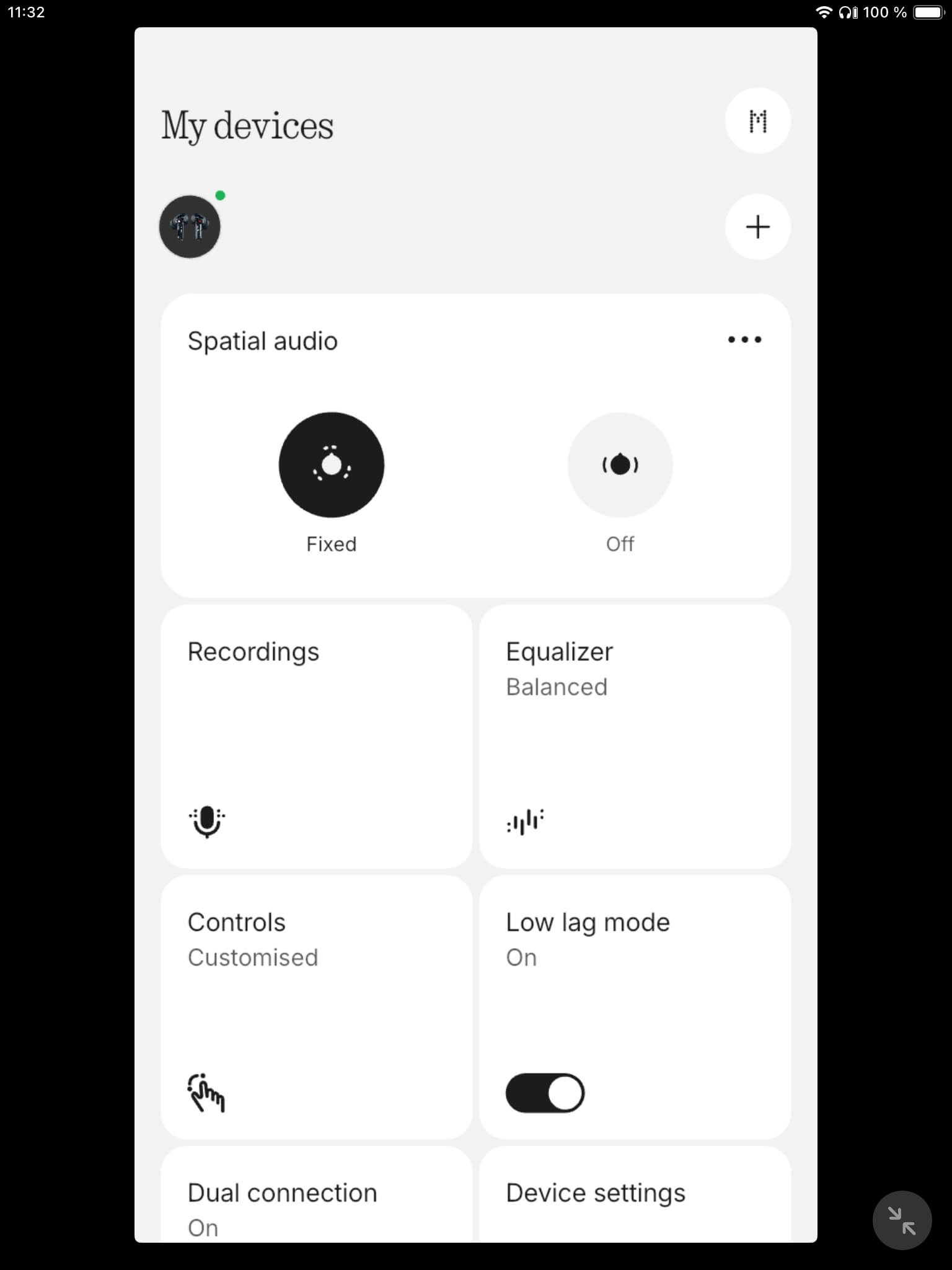
The statically implemented Spatial Audio (without head tracking) offers a more spacious playback option with both strengths and weaknesses. Compared to the base sound, the virtual stage moves a bit further back into the room, widening the presentation and, for example, conveying more atmosphere on live broadcasts or concert recordings. Appealing results can also be achieved in film and gaming, even though vocal presentation loses some naturalness. Modern music styles prove more problematic, however, since the bass range can distort. The feature also can’t be combined with sound control.
Sound
The bottom line: The 12 mm drivers deliver rich, bass-forward fun with warm, clear mids and well-dosed, unobtrusive highs, though club-oriented tracks can make the sub-bass feel a bit overpowering.
The Nothing Ear (3a) are equipped with large, dynamic 12 mm drivers for a rich, powerful bass reproduction that clearly puts fun front and center. The Ear (3a) come across as even more bass-forward than the Ear (a), which should suit personal listening habits. The sub-bass can feel a bit overpowering on club-oriented tracks, so a slight reduction can create more punch. Otherwise, though, the substantial bass foundation works flawlessly and harmonizes well across media.
The midrange comes across as quite warm, yet clean and clear. Despite the fullness of the sound, there’s no lack of detail or presence. A forgiving overall tuning is also apparent, rendering vocals pleasantly and with body, without any harshness. Vocal reproduction also comes across as relaxed and easy to understand, so listeners’ ears don’t tire quickly during audiobooks and podcasts.
There’s power in the upper registers, though it doesn’t overshoot the mark, coming across as well-dosed instead. Harshness and sharpness aren’t a concern even at higher volume levels. Sibilance is also rendered rather conservatively, which should benefit sensitive ears. At the same time, the treble reproduction manages to open up the sound picture favorably, so the bass-forward performance never feels dull or one-dimensional.



Conclusion
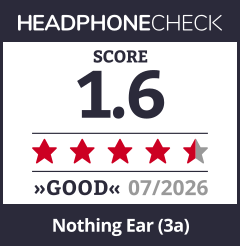
Tuned for fun, the Nothing Ear (3a) stand out with a warm, rich sound. The recording functions are strongly implemented, with physical flash storage, a well-thought-out concept, and remarkable quality. Noise cancellation also proves effective thanks to its broadband tuning and delivers solid results. There’s room for improvement when it comes to calls in loud environments and the volume loss in the 8-band EQ. Otherwise, these bass-forward eye-catchers offer a well-rounded overall package!
FAQ
How long does the Nothing Ear (3a)’s battery last?
With the AAC codec, up to ten hours are possible according to the manufacturer, and around six hours with ANC active. The charging case delivers about three more full charges.
Are the Nothing Ear (3a) waterproof?
The earbuds and case are IP54 rated for dust and splash resistance, which is enough for sports and daily use, but doesn’t allow for full submersion.
What can the Nothing Ear (3a)’s new recording feature do?
The built-in flash memory records around two hours of audio, whether short clips up to 60 seconds or longer calls and meetings, which can be saved, edited, and transcribed via the Nothing X app.
What’s different between the Nothing Ear (3a) and the Nothing Ear (a)?
The Ear (3a) add static Spatial Audio, the new recording functions, larger drivers, an 8-band EQ, and more efficient ANC with Bluetooth 6.0, while multipoint and codec support stay the same.
Do the Nothing Ear (3a) support LDAC?
Yes, alongside SBC and AAC, LDAC is also supported, which can be enabled in the app on compatible Android devices.
How much do the Nothing Ear (3a) cost?
The manufacturer’s suggested retail price is 99 euros.
Technical Specifications of the Nothing Ear (3a)
- Form Factor
- In-ear, true wireless
- Driver
- 12 mm, dynamic, 32 Ω
- Bluetooth
- Version 6.0
- Codecs
- SBC, AAC, LDAC (Hi-Res Audio certified)
- Active Noise Cancellation
- Up to 45 dB, effective up to 5 kHz
- Ingress Protection (earbuds and case)
- IP54
- Battery Life, Earbuds (ANC off)
- Up to 10 hours
- Battery Life, Earbuds (ANC on)
- Up to 6 hours
- Battery Life with Case (ANC off)
- Up to 42 hours
- Battery Life with Case (ANC on)
- Up to 25 hours
- Fast Charging
- 5 minutes for approx. 1 hour of playback
- Full Charging Time (USB-C)
- Approx. 70 minutes
- Wireless Charging
- Not supported
- Earbud Weight
- 9.06 g (4.53 g per side)
- Case Weight
- 40.92 g
- Total Weight
- 49.98 g
- Price (MSRP)
- €99
- Colors
- Black, White, Yellow, Pink
Conclusion
Advantages / Disadvantages:
Advantages:
-
Comfortable fit
-
Earbuds and case rated IP54 dust- and water-resistant
-
Speech intelligibility (except in loud environments)
-
Multipoint connections
-
Low-lag mode
-
Built-in storage for media and call recordings
-
Support AAC and LDAC
Disadvantages:
-
Volume loss in the "advanced" EQ
-
No USB charging cable included
-
No manual power on/off
Share Post:


About the author:

From
Maike Paeßens
Editor
Maike Paeßens has been working as a author, editor, product specialist and project manager in various areas of the MI sector since 2005. In addition to recording studio technology, she also works with synthesizers, DJ equipment and in the hi-fi sector. Her artistic interest is reflected in the production of tobacco pipes, which she produces under her own label.