

In a nutshell
With the Milton A.N.C., Marshall stakes out a niche: an on-ear headphone with full ANC, very long battery life, and a user-replaceable battery, all for €199. The characteristic Marshall sound, a thoughtful approach to sustainability, and solid overall features make it a clear recommendation for commuters and brand fans alike. A few minor, and admittedly subjective, shortcomings in the treble and the app EQ do little to dampen an otherwise strong overall impression.
Vorteile:
-
Near-unrivalled feature combination in the on-ear category
-
Very long battery life (up to 80 hours, around 50 with ANC)
-
User-replaceable battery
-
Effective adaptive noise cancellation
-
Characterful, punchy sound
-
Premium build quality
-
USB audio operation with simultaneous app control
-
Excellent call quality
Nachteile:
-
App EQ lacks a zero marker and reset function
-
Noticeable clamping pressure during longer sessions for glasses wearers
-
Wind noise audible with active ANC
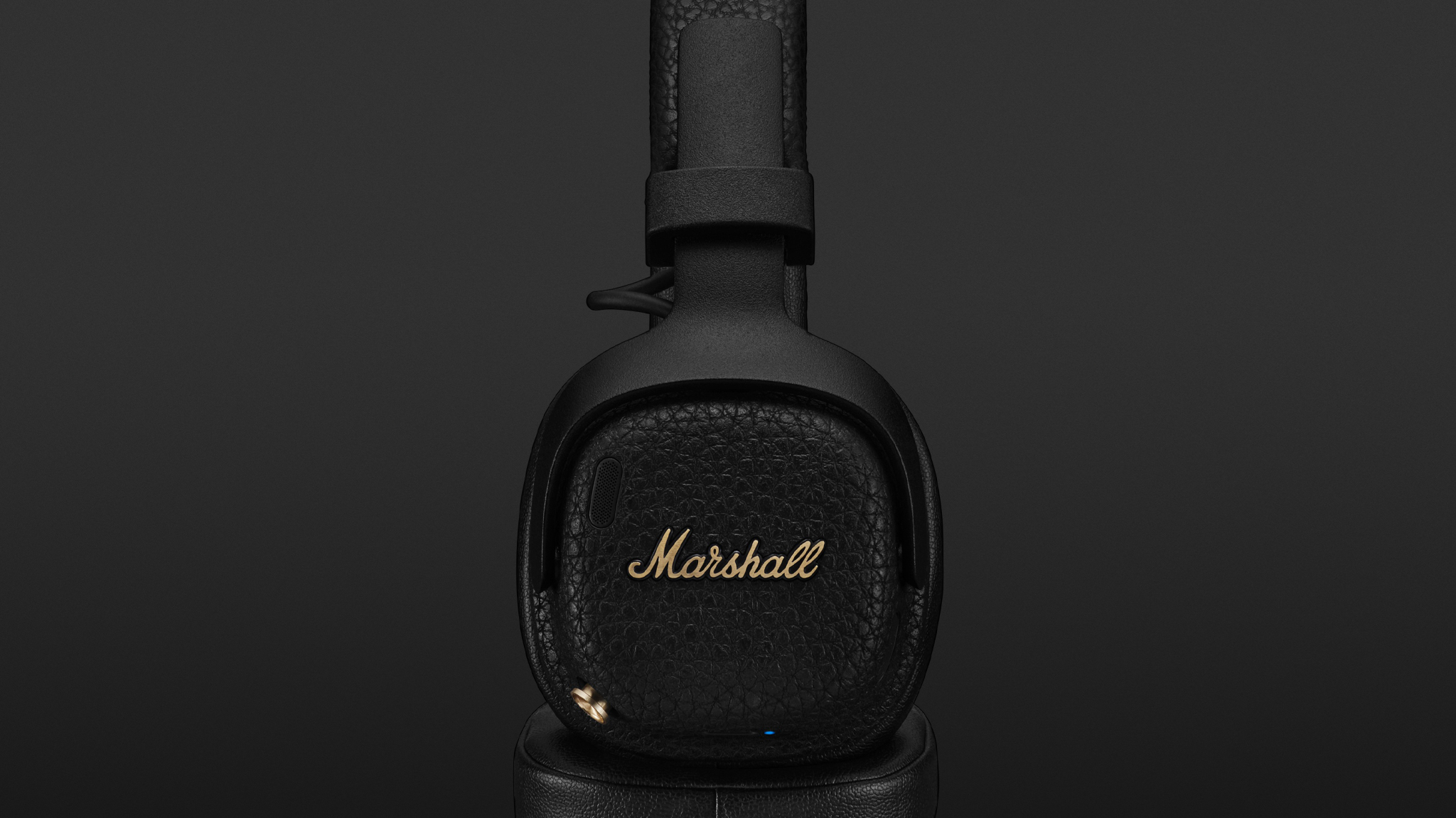
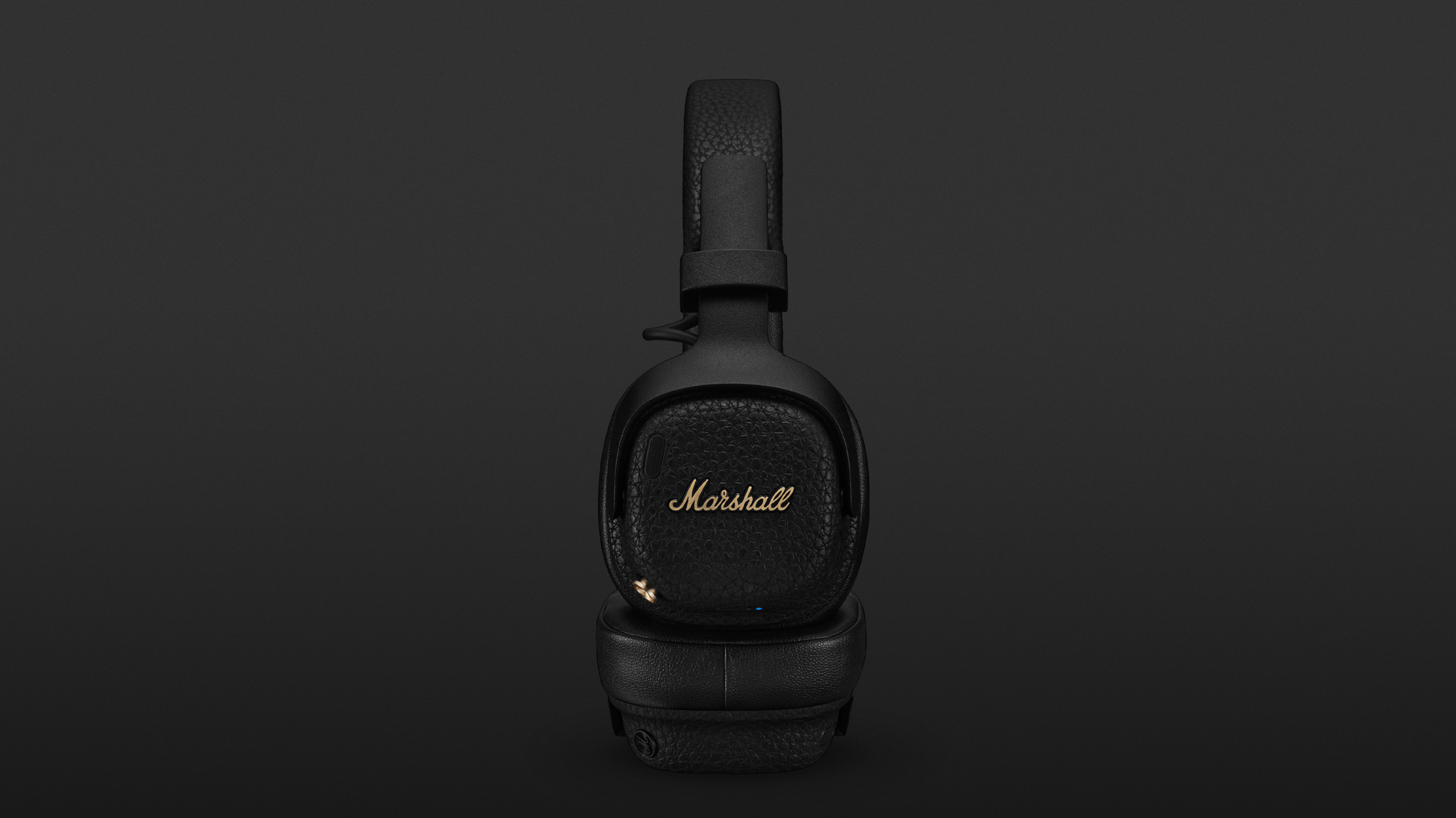
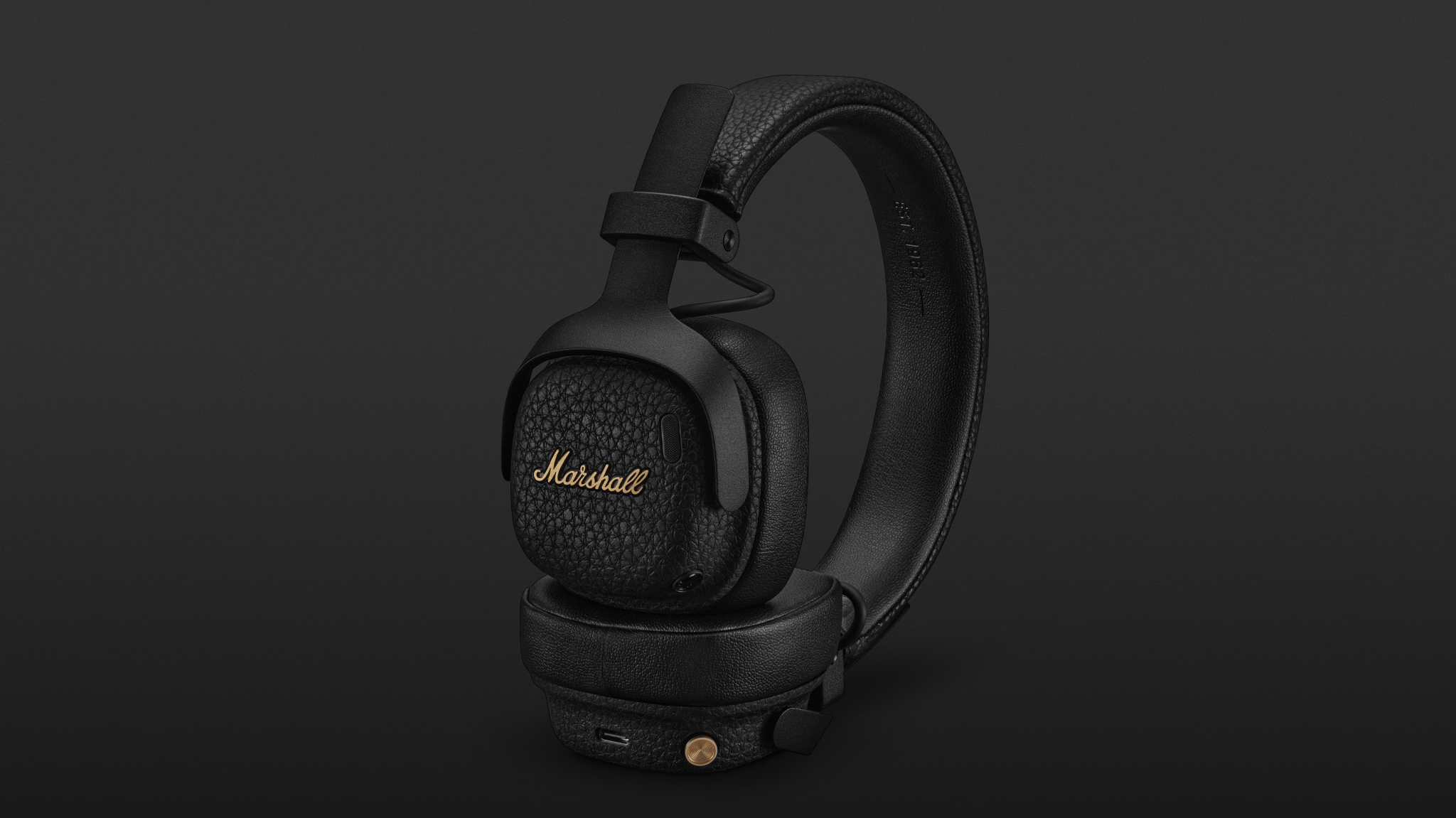
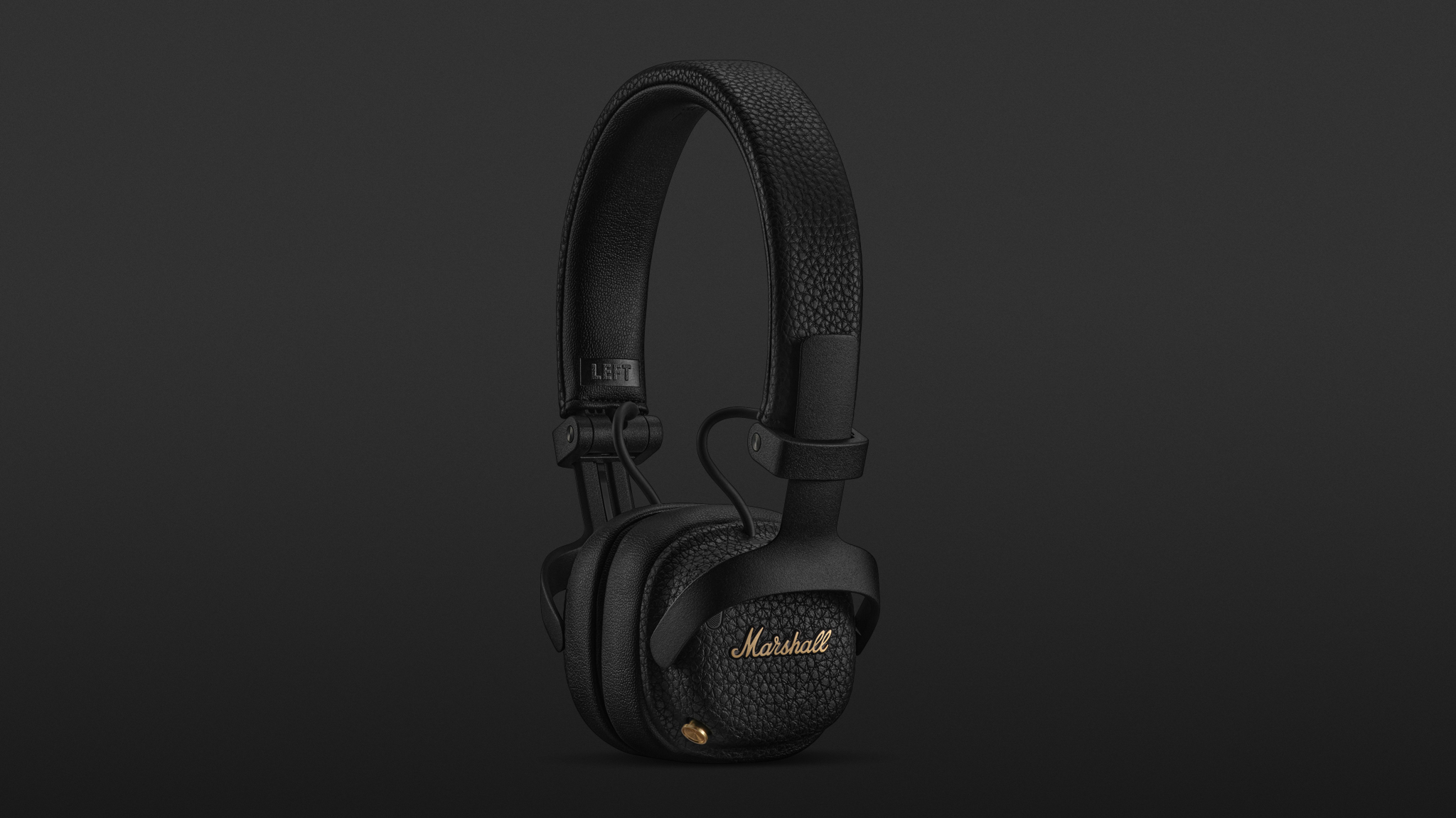
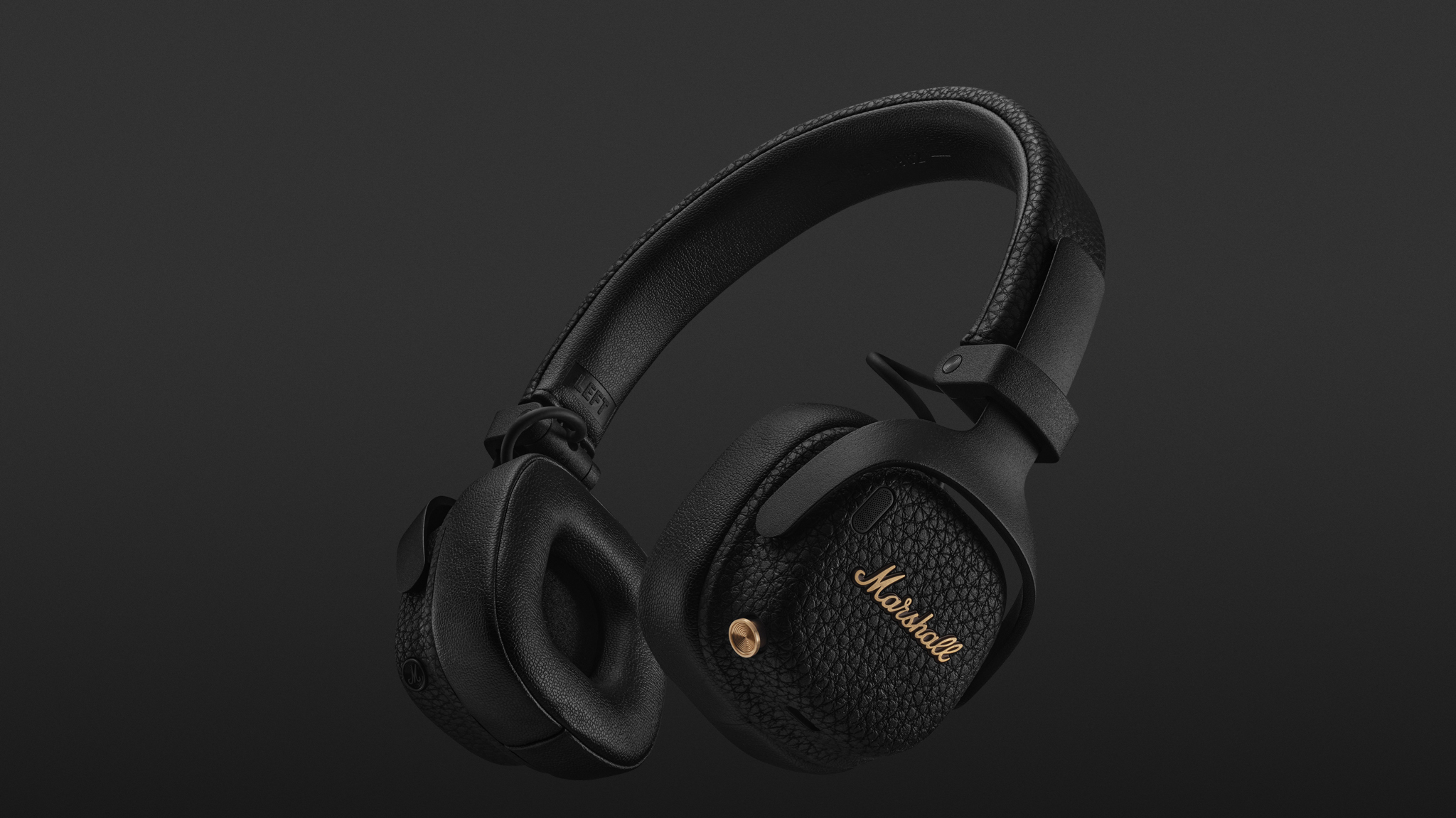
Marshall is expanding its headphone lineup with a model that at first glance reaches into an almost forgotten drawer: the on-ear. While the market has split for years between compact true wireless earbuds and circumaural over-ears, Marshall enters the field with the Milton A.N.C., an on-ear headphone equipped with features that have until now been the exclusive preserve of over-ears: adaptive active noise cancellation, LDAC, Bluetooth 6.0 with LE Audio and Auracast, and a replaceable battery.
Introduction
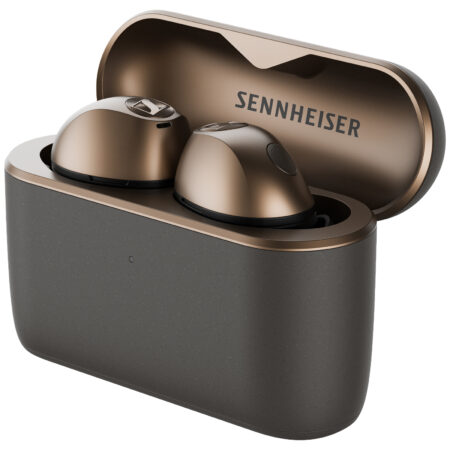
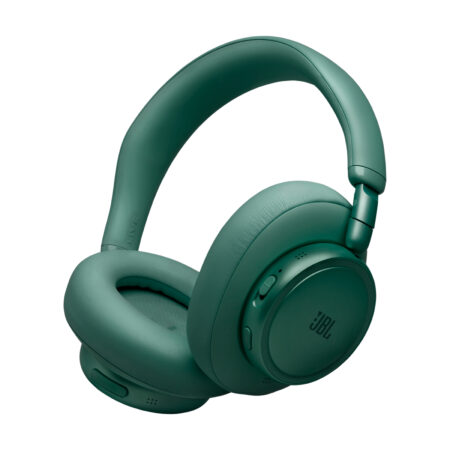
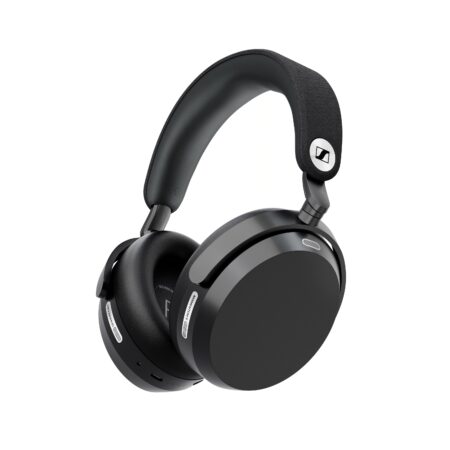
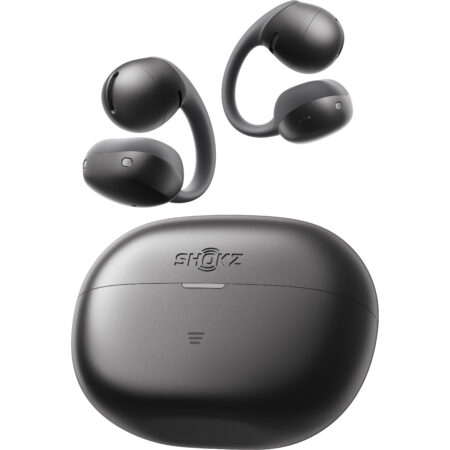
A look at the market makes things clear: the most common headphone types on the shelves are over-ears, in-ears, and open-ears. In the on-ear space, Marshall, JBL, and a range of mostly budget-oriented brands dominate the landscape.
That positions the Milton A.N.C. in a segment where Marshall faces surprisingly little direct competition. On-ear headphones with full ANC are rare; most manufacturers have either pushed this form factor down into the budget tier or abandoned it altogether. Marshall takes the opposite approach, equipping the Milton A.N.C. with features that are typically reserved for over-ears.
Which brings us to the question that always comes up with Marshall: does the headphone carry its distinctive look in sound and function as well, or does the brand lean too heavily on its image? We tested the Milton A.N.C. in everyday use, on the commute, in the office, and during music production, with the question in the back of our minds whether the promised 80-hour battery life (50 with ANC active) is more than just a number on a spec sheet.
Design and What’s in the Box
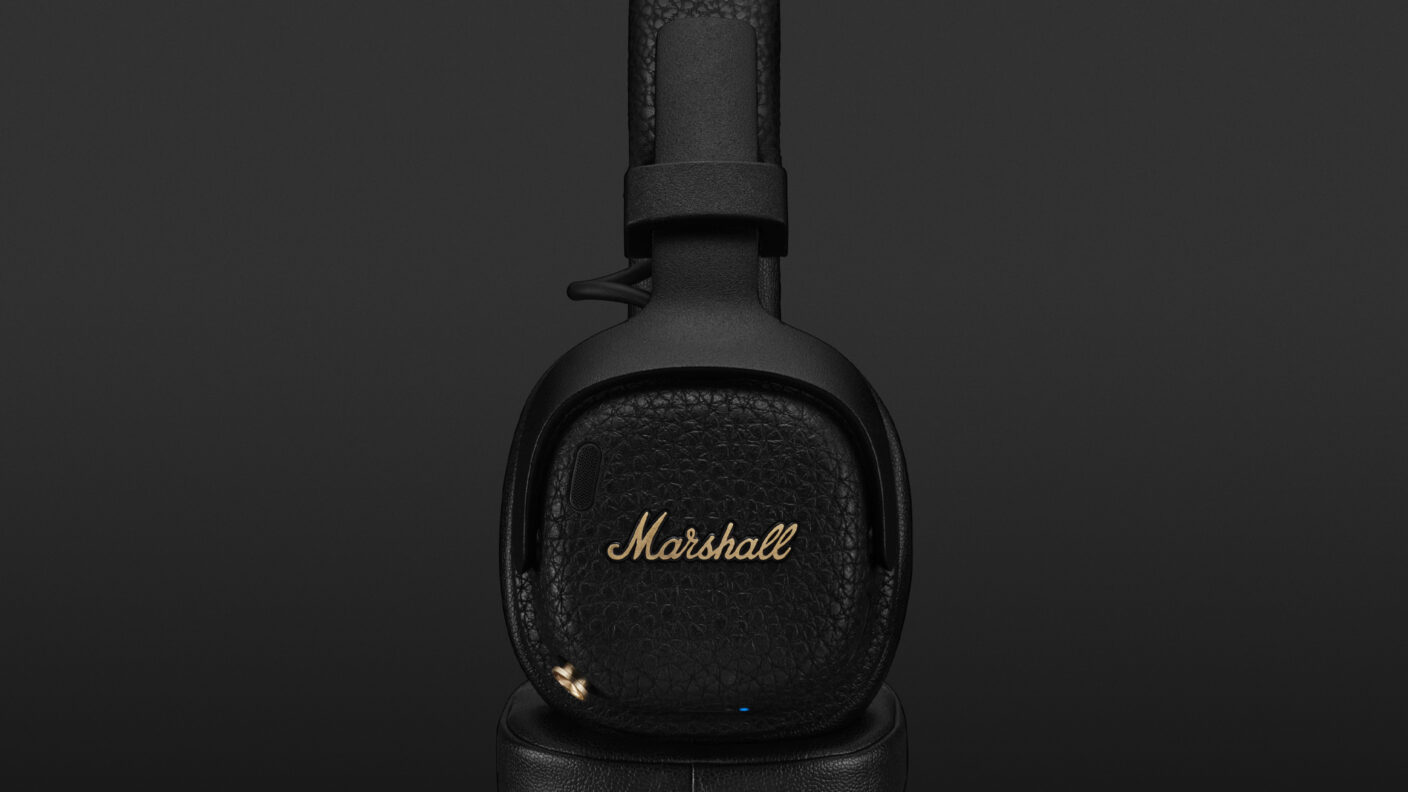
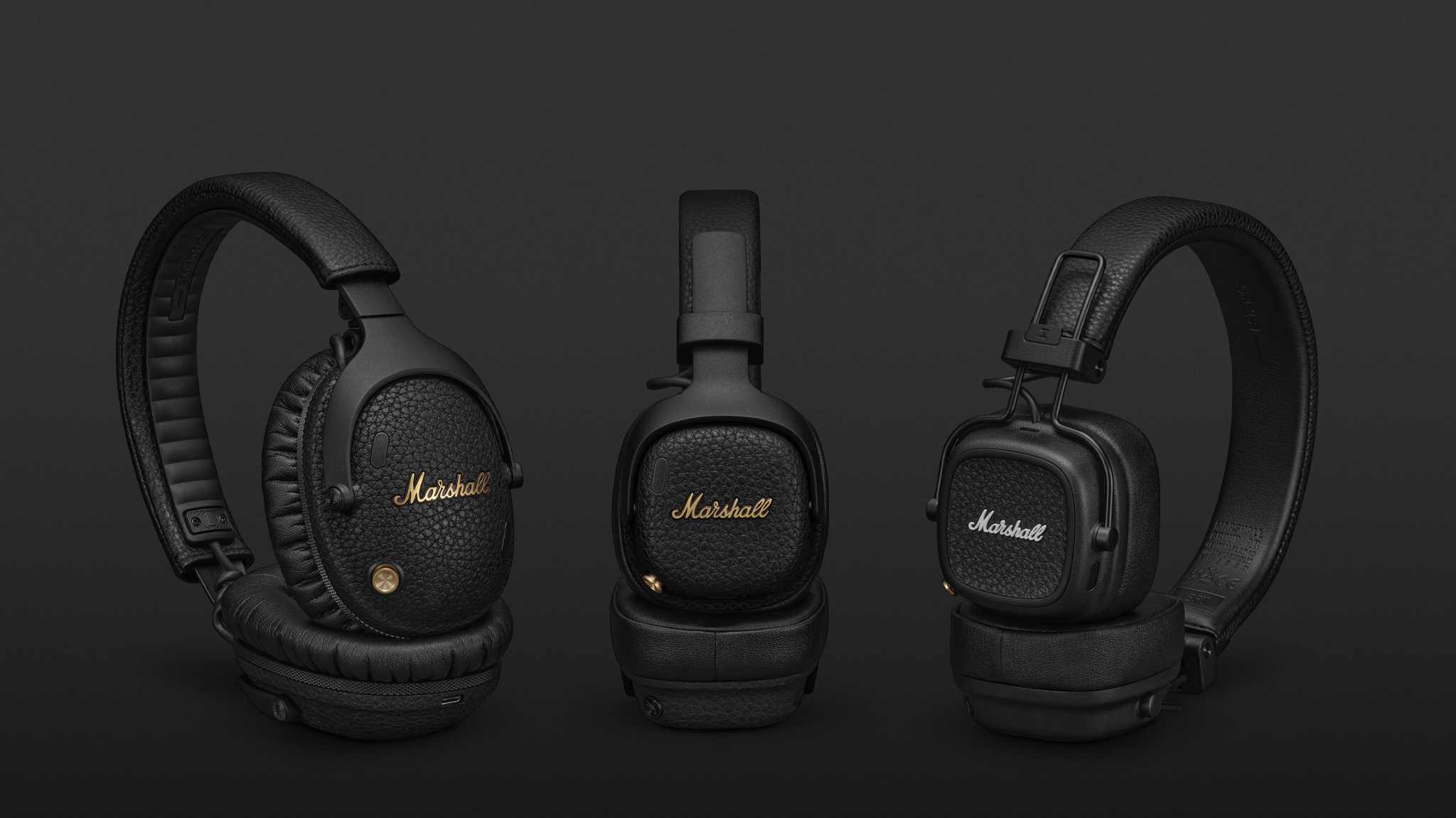
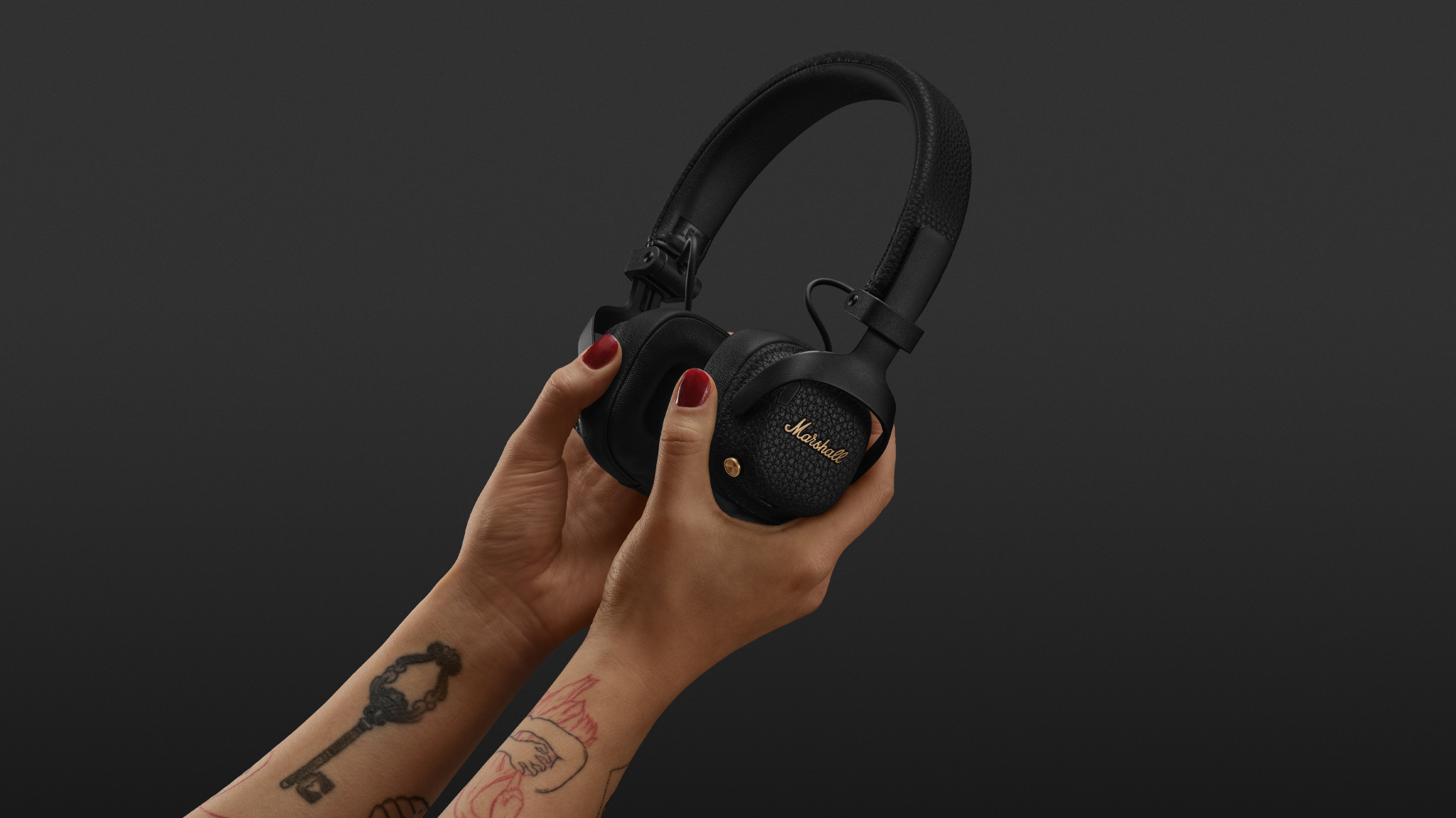
Brass meets matte black: that’s how our review unit presents itself. The result feels refined and assured. Particularly striking is how robust the distinctive Tolex-style finish on the earcups turns out to be. Even cuts from a utility knife close back up almost immediately, something Marshall calls “Self Healing.”
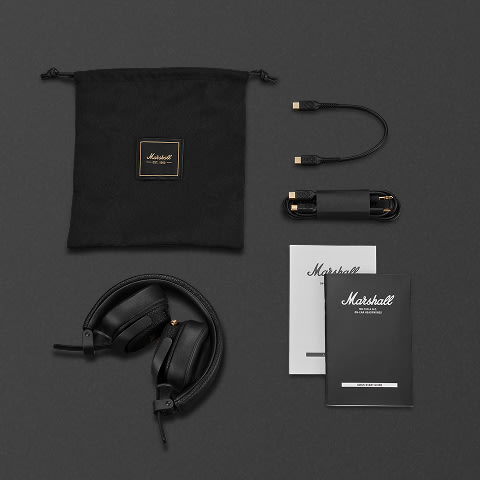
If Marshall’s design language is your thing, the Milton A.N.C. delivers in full. Build quality gives no cause for complaint. The same goes for what’s in the box: the USB-C to 3.5mm cable and the USB-C charging cable both match the Marshall aesthetic perfectly, and there are no cheap generic cables in sight.
The USB-C to 3.5mm cable measures approximately 120 cm and features a short coiled section of around 12 cm roughly 20 cm below the USB plug. This provides effective strain relief and helps dampen cable-borne noise, though not entirely: above the coil, a slight cable rustle can still transfer to the ears if the cable rubs against, say, the hem of a hoodie.
All connectors are gold-plated, though the USB-C charging cable could have been a bit longer. A higher-quality USB audio cable would also have been a welcome addition to the package (more on that later).
Also included in the fully plastic-free packaging: a drawstring carry pouch with the Marshall logo, which feels suitably premium, along with the usual documentation including a multilingual quick start guide.
Wearing Comfort
On-ears rest directly on the outer ear, which makes the design of the ear pads all the more important for comfortable extended wear. The Marshall Milton A.N.C. generally handles this without issue.
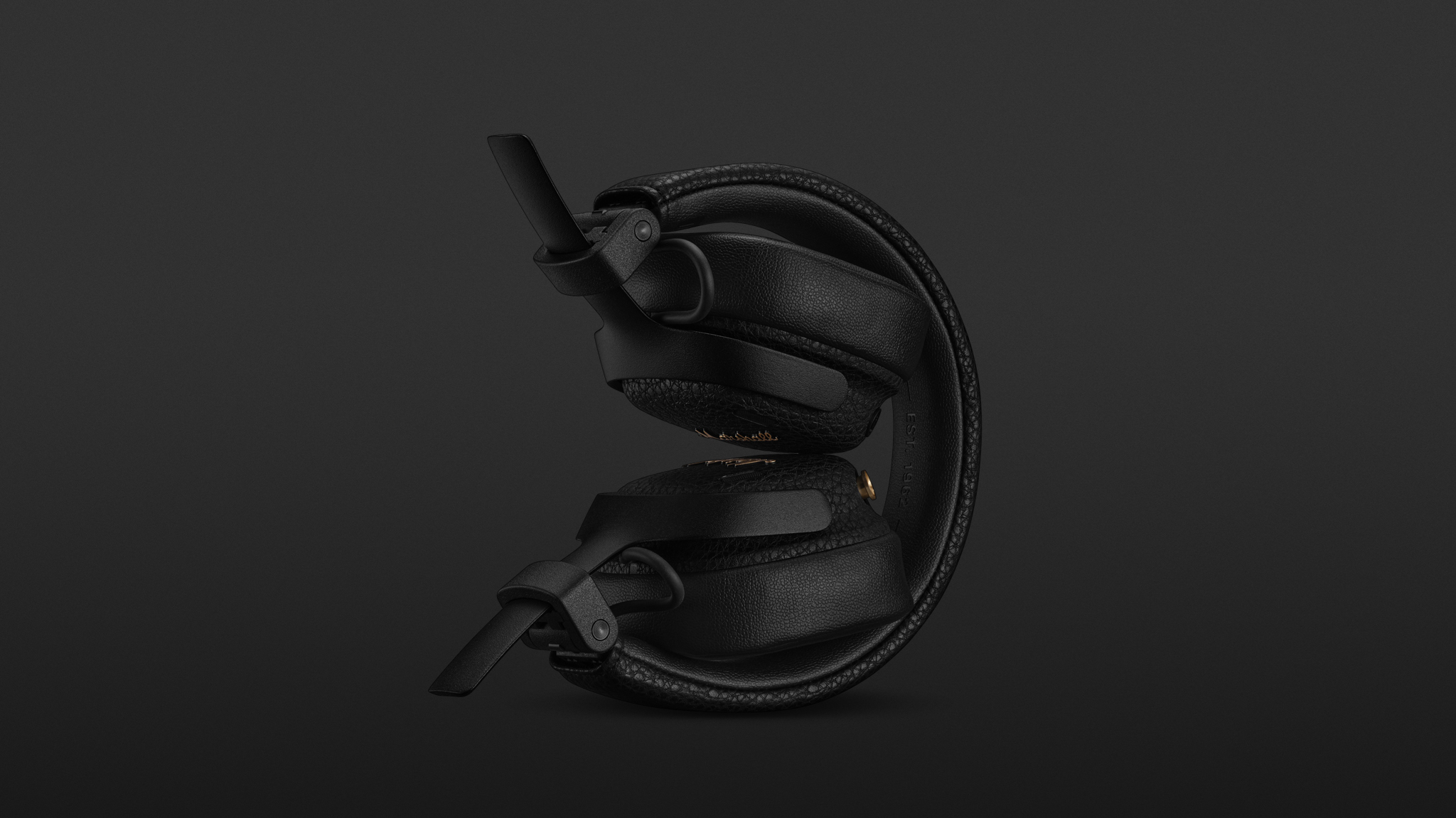
The steplessly adjustable headband is made from faux leather, feels light, flexible, and pliable, and together with the foldable earcups allows the headphone to collapse into a very travel-friendly compact form. Clamping force is on the firmer side, which is simply a necessity for on-ears given the absence of circumaural cups. Within that context, the Milton A.N.C. distributes its measured 202 grams very evenly across the head.
There is, at least for this reviewer, one caveat: as with any on-ear, the laws of physics apply. As a glasses wearer, I noticed mild pressure discomfort after around 60 minutes, requiring a short break before putting the headphone back on.

Sustainability
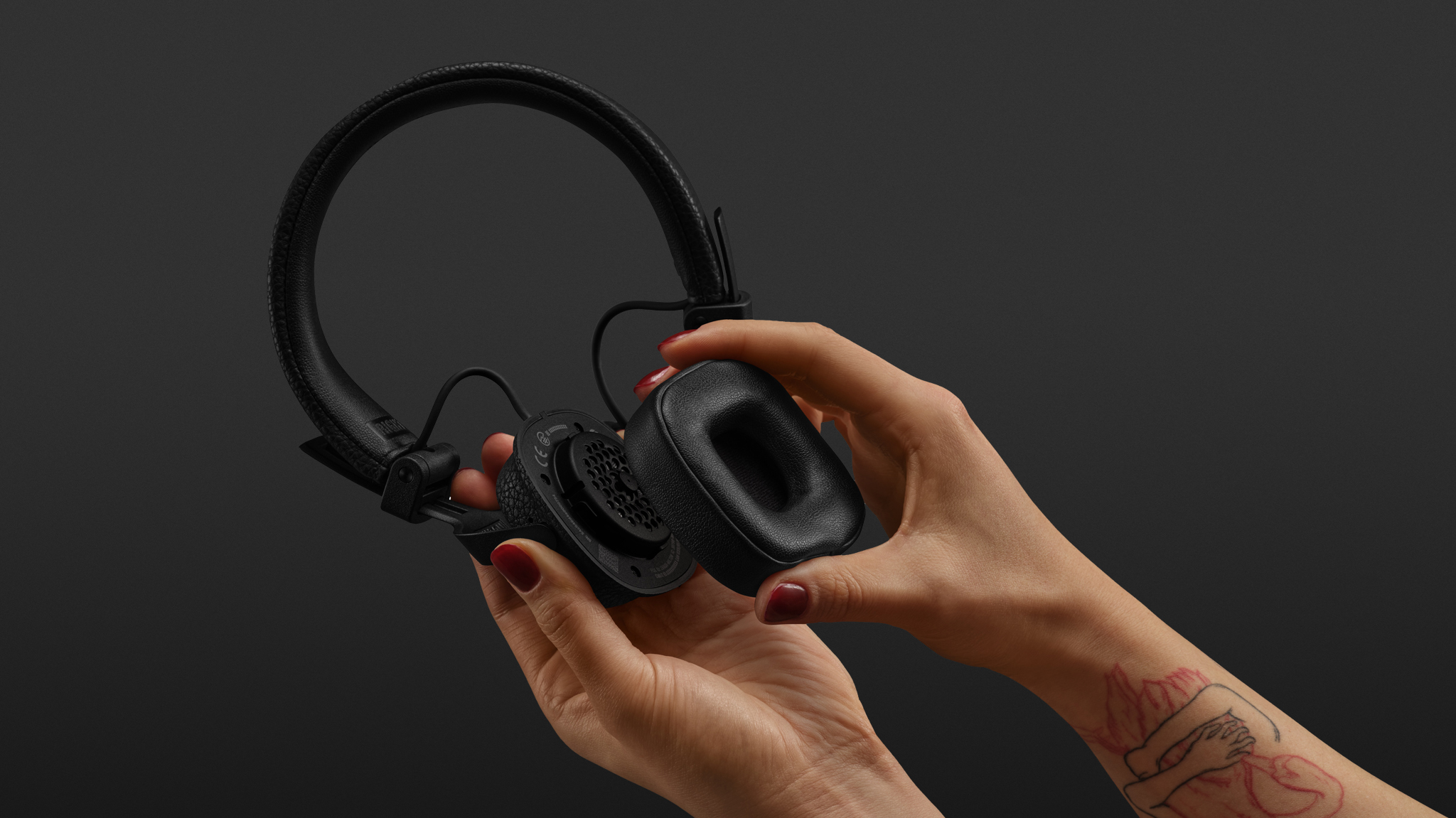
Beyond the all-cardboard packaging already mentioned, Marshall makes what we consider a genuinely meaningful statement with the Milton A.N.C.: almost all components are replaceable, including the battery, which can be swapped by the user themselves, as our hands-on test in the battery section confirms. The replaceable ear pads are forward and backward compatible: anyone upgrading from a Major on-ear, or who still has spare pads lying around, can use them directly with the Milton A.N.C.
Bluetooth
Thanks to Bluetooth 6.0 including LE Audio and Auracast support, the Marshall Milton A.N.C. is well positioned for the future. In practice, though, expectations around Auracast should be tempered for now: the feature is in beta at the time of testing and is available in the Marshall app as “Listen to Broadcast Beta,” meaning it currently functions as a receiver only, not a transmitter.
Auracast also currently works exclusively with newer Android smartphones, and the exact implementation varies by manufacturer. Marshall is open about this and has announced plans to expand LE Audio functionality across its product portfolio throughout 2026 and 2027. For now, the foundation is in place, but the full potential of Auracast is something the Milton A.N.C. will need to deliver through future updates.
Controls
The combination of hardware controls and the companion app gives the Marshall Milton A.N.C. a fairly comprehensive set of options for control and personalization. All transport functions, the pairing mode, and power on/off are handled via the multidirectional mini joystick on the right earcup, which responds intuitively and reliably. On the left side sits the M-button, which can be freely assigned in the app.
The Milton A.N.C. has no dedicated ANC button. Switching between noise cancellation and transparency mode is done either through the app or via a single press of the M-button, provided it has been assigned that function. A double press is reserved exclusively for Spotify.
In the Equalizer section of the app, several presets and a five-band EQ are available for tailoring the sound to personal preference. A custom EQ slot is also on offer, though only one can be created. One practical criticism worth noting: the EQ provides no quick reset option and no zero marker on the bands. Anyone who likes to experiment will find it unnecessarily cumbersome to get back to a neutral starting point.
Beyond that, adaptive loudness can be activated to adjust the sound to the surrounding environment. The Soundstage section lets you set how large the simulated room should be and how prominent the virtual stage effect is. Further options include an infographic explaining Spotify control via double press, toggleable interaction sounds, battery-saving settings, and a sleep timer.
ANC and Transparency
The adaptive noise cancellation performs well to very well, with a slight background hiss audible at certain levels that gets masked by the music in practice. On a busy street with cars and trams, the highest ANC setting reduces everything to a gentle murmur. Low frequencies are attenuated very effectively, while higher frequencies pass through more, meaning voices remain faintly audible. Wind noise is noticeably present when moving air hits the outward-facing microphones.
If the absolute best-in-class ANC is a priority, the leading over-ear models from Apple, Bose, and Sony remain the benchmark.
The transparency mode naturally carries a higher background noise floor but still allows for good intelligibility and awareness of the surrounding environment without taking the headphone off. The overall character leans toward natural rather than technical.
Sound
Long associated with rock and guitars, the Milton A.N.C. handles guitar-heavy material with authority: the result is clear and assertive. The vocal range is present without becoming intrusive and lends particular support to electric guitars. A punchy, taut bass provides the foundation, very much in the Marshall tradition, without crowding out the mids.
In the upper treble, the Milton A.N.C. may leave some ears wanting a little more sparkle. This assessment comes with a caveat though: the reviewer’s hearing is less acute in the upper high-frequency range than that of a younger target audience. It’s entirely plausible that younger ears will perceive the balance as well-judged where this reviewer would have appreciated more brilliance. The EQ allows for adjustment either way, though that would be considerably more convenient if the app offered the zero marker and reset function mentioned above.
The soundstage is not particularly wide; in-head localization stays fairly forward, which lends a sense of compactness. This can be artificially widened using the Soundstage function. Adding a virtual stage from small to very large can be a genuine plus with lushly produced material, but with audiobooks and podcasts the voices move further back and take on a slightly reverby quality. ANC integration is handled exemplarily, with no audible change in the sound character when it’s switched on.
Adaptive Loudness works not by getting louder when you move to a different environment, but by making subtle adjustments to the sound signature, such as a gentle bass boost at lower volumes. The changes are minimal enough that they’re barely perceptible in everyday use, which is familiar territory from Apple, Samsung, and others.
One scenario deserves a separate mention: use during music production. As a sole mixing headphone, the Milton A.N.C. colors the sound too strongly, its character is simply too pronounced for that. As a complement to a neutrally tuned studio monitor, however, it’s a genuine pleasure. Switching to the Milton immediately reveals how much drive and energy lives in 808 bass drums and bouncy sub-bass, which is a perspective that can be genuinely useful for producers.
Overall, the Milton A.N.C. sounds cohesive, punchy, and powerful well into higher volume levels. It remains recognizably a Marshall: characterful rather than analytical, with a present vocal range and a bass that’s fun rather than restrained.
USB Audio
The Milton A.N.C. can be used not only via Bluetooth but also as a wired USB audio device. The experience is refreshingly straightforward: no drivers, no setup, the headphone is essentially ready to go the moment it’s plugged in, with zero latency. ANC and transparency mode remain available throughout.
Particularly useful for producers: thanks to multipairing, the app on a smartphone can be used simultaneously to adjust the EQ while working at a computer, such as running Ableton Live on a Mac with the headphone connected via USB. This separation of the audio path (USB) and the control layer (app) is genuinely comfortable in a studio workflow.
One distinction worth noting: in digital USB mode, the headphone is powered over the connection. In analog mode via the USB-C to 3.5mm cable, the Milton A.N.C. must be powered on and draws from the battery.
As for the sonic difference compared to Bluetooth, honesty is warranted here. A reliable comparison is difficult, partly because psychoacoustic effects and listener expectation play a significant role. The wired connection does tend to come across as marginally more open, clearer, and more resolved. Whether that impression holds consistently across all listening situations is something we deliberately leave open, rather than claiming a dramatic improvement that the form factor at this price point realistically cannot deliver.
Battery
Marshall’s stated runtimes of up to 80 hours without ANC and around 50 hours with active noise cancellation were broadly confirmed across multiple sessions during our testing period. The figures are approximately accurate. That puts the Milton A.N.C. among the most enduring models in its category, which is a genuinely compelling argument for commuters and travelers: anyone regularly on the move will find themselves charging this headphone only rarely.
We also put the user-serviceable battery swap to a practical test: removing four small screws and disconnecting the battery connector is straightforward and well within the abilities of any user. The ability to replace the battery without a service visit remains one of the strongest long-term arguments for the Milton A.N.C.
Call Quality
Call quality impresses: our test conversation partner could hear the reviewer clearly and consistently throughout. Even fairly loud background music was reliably suppressed during speech. Only during pauses in conversation did some ambient sound occasionally come through, such as birdsong, which is not a concern in practice. In wind, the Milton A.N.C. delivers mixed results: the microphone filters wind noise passably well and the person on the other end remained untroubled, but wind was clearly audible at the wearer’s own ear.
Verdict
The Marshall Milton A.N.C. gets almost everything right. Its strongest card is the position it occupies: an on-ear headphone with full adaptive ANC and a user-replaceable battery, a combination that is currently close to unique in this form factor. For €199 you’re not getting a lifestyle accessory with a brand logo, but a serious headphone with real substance.
For the conscientious commuter, the Milton A.N.C. is one of the strongest recommendations in its class: the exceptional battery life, the compact foldable form, the effective noise cancellation, and the prospect of simply swapping the battery after a few years rather than discarding the device add up to a well-rounded package for anyone who is regularly on the move and values longevity.
For the Marshall fan drawn in by aesthetics and brand identity, the Milton A.N.C. delivers as expected: the distinctive Tolex design, the premium build with its self-healing surface, and the punchy, characterful sound.
And for the producer, while it’s no substitute for a neutral studio monitor, as a fun counterpoint to the clinical reference headphone it earns its place. Driver-free, near-latency-free USB operation with simultaneous app control makes it pleasantly flexible in a studio setup.
Criticisms remain at a high level and do little to diminish an otherwise strong overall impression. The Marshall Milton A.N.C. is a distinctive, honestly priced headphone that fills a genuine gap in the market, rather than simply adding another entry to an overcrowded segment.
FAQ: Frequently Asked Questions About the Marshall Milton A.N.C.
How long does the battery last?
Up to 80 hours without ANC, around 50 hours with active noise cancellation, approximately confirmed in testing. User-replaceable battery (four small screws). One of the most enduring models in its category.
How much does the Marshall Milton A.N.C. weigh?
202 grams, distributed very evenly across the head. Folds to a compact, travel-friendly size. Clamping force is on the firm side, typical for on-ears. Glasses wearers may notice mild pressure discomfort after around 60 minutes.
Which Bluetooth codecs are supported?
Bluetooth 6.0 with LE Audio and Auracast support (beta, receive only), plus SBC, AAC, and LDAC. Multipoint for two simultaneous devices. Stable connection over more than 40 meters in open line-of-sight conditions.
Can the Milton A.N.C. be used wired?
Yes, as a USB audio device with no drivers required, practically instant readiness, and zero latency. ANC and transparency mode remain available. Digital USB mode powers the headphone over the connection; analog use via the USB-C to 3.5mm cable draws from the battery.
Are the components replaceable?
Yes, according to the manufacturer almost all components are replaceable, including the battery, which the user can swap themselves. Ear pads are forward and backward compatible with the Major on-ear. Fully plastic-free packaging. Self-healing Tolex surface.
Conclusion
Advantages / Disadvantages:
Advantages:
-
Near-unrivalled feature combination in the on-ear category
-
Very long battery life (up to 80 hours, around 50 with ANC)
-
User-replaceable battery
-
Effective adaptive noise cancellation
-
Characterful, punchy sound
-
Premium build quality
-
USB audio operation with simultaneous app control
-
Excellent call quality
Disadvantages:
-
App EQ lacks a zero marker and reset function
-
Noticeable clamping pressure during longer sessions for glasses wearers
-
Wind noise audible with active ANC
Share Post:


About the author:

From
Peter Schloßnagel
Chefredakteur
He started out with music as a child and never really stopped. Except that at some point, it turned into kopfhoerer.de. Peter had worked in radio, as an entertainer, in the record industry, in print media and in marketing before co-founding kopfhoerer.de: because no one could give him the answers he was looking for himself. When he’s not writing, he’s making music, cooking or out and about on an old bike somewhere in the Upper Palatinate.