
In a nutshell
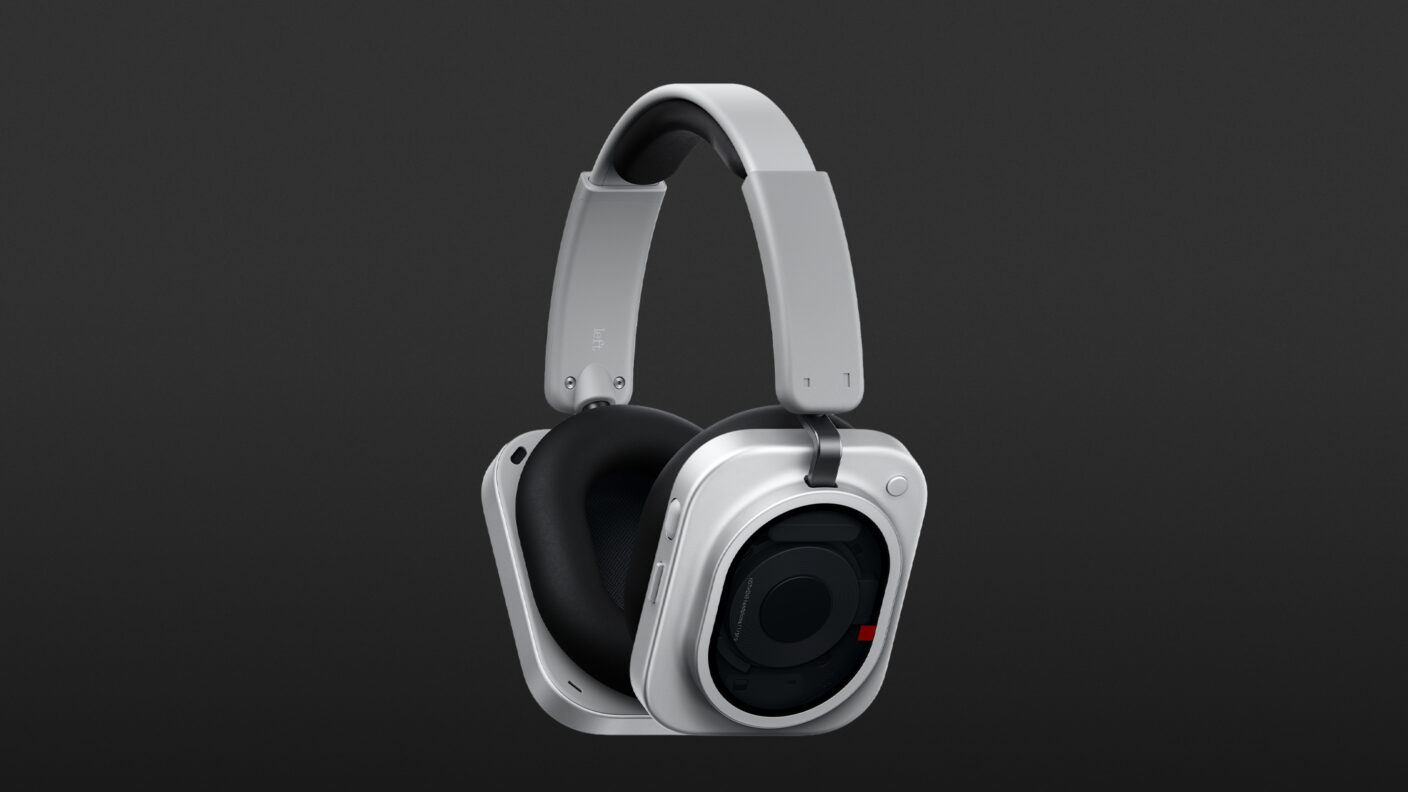
With the Headphone (1) Pro, Nothing delivers a technically very well-equipped over-ear flagship for €349 MSRP. A triple driver setup, strong ANC, lossless USB-C audio, Auracast as sender and receiver and a physical Flat EQ switch make it a versatile all-rounder with studio ambitions. Criticism applies to the stiff headband mechanism, sibilants that turn sharp with some presets and a shorter battery life than the Headphone (1).
Advantages:
-
Triple driver with clean bass, present vocals and a coherent soundstage
-
Very effective ANC with a low noise floor
-
Lossless USB-C audio up to 24-bit and 192 kHz, Bluetooth 6.1, LDAC and multipoint
-
Auracast as sender and receiver for up to ten devices
-
Very extensive in-app EQ, Flat EQ switch and five genre presets from Metropolis Studios
-
Clearly improved wearing comfort, less heat buildup, a clean seal even with glasses
-
Up to 68 hours of battery life (AAC, ANC off), IP52 rating
Disadvantages:
-
Stiff headband, slider construction takes getting used to
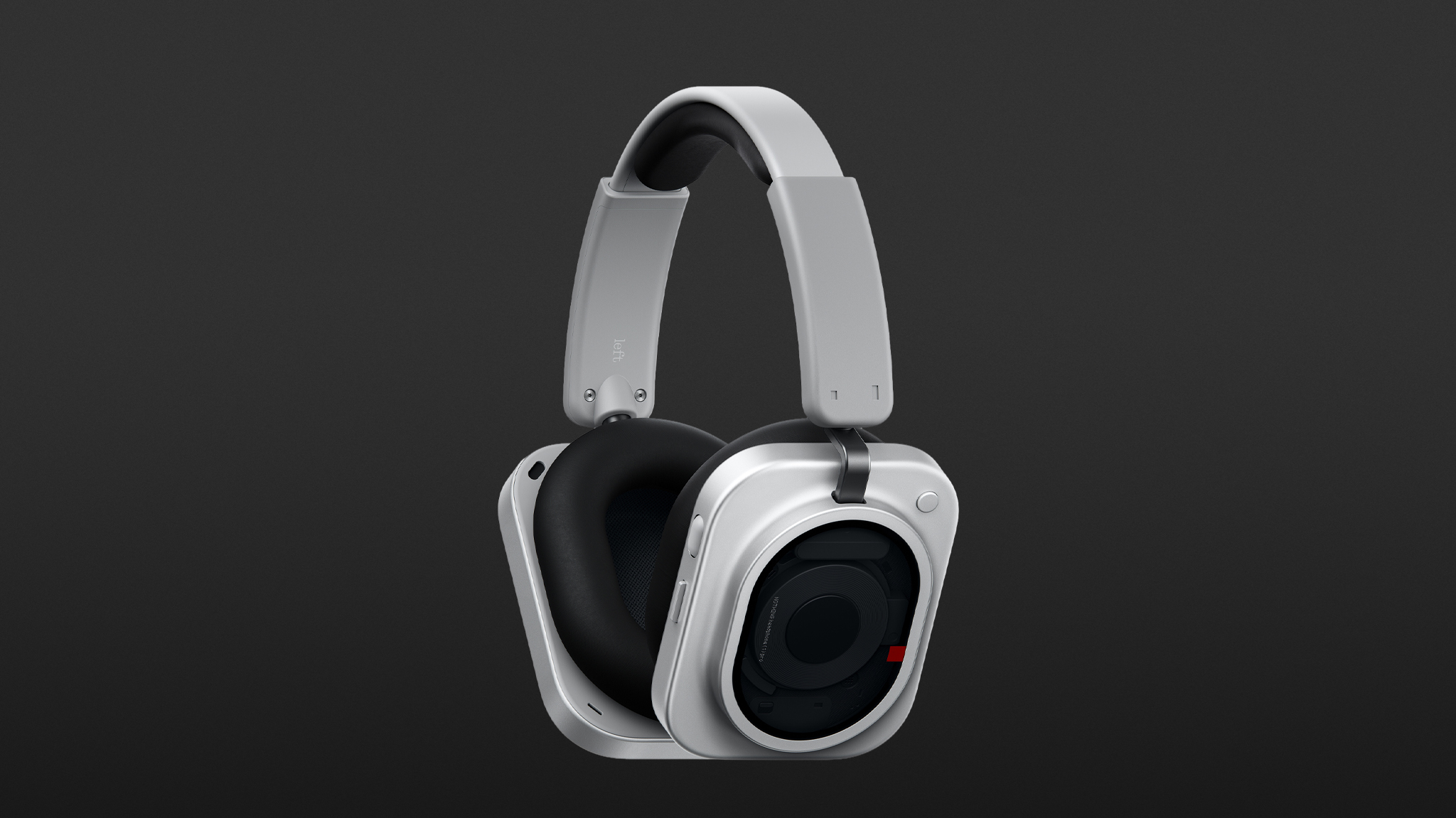
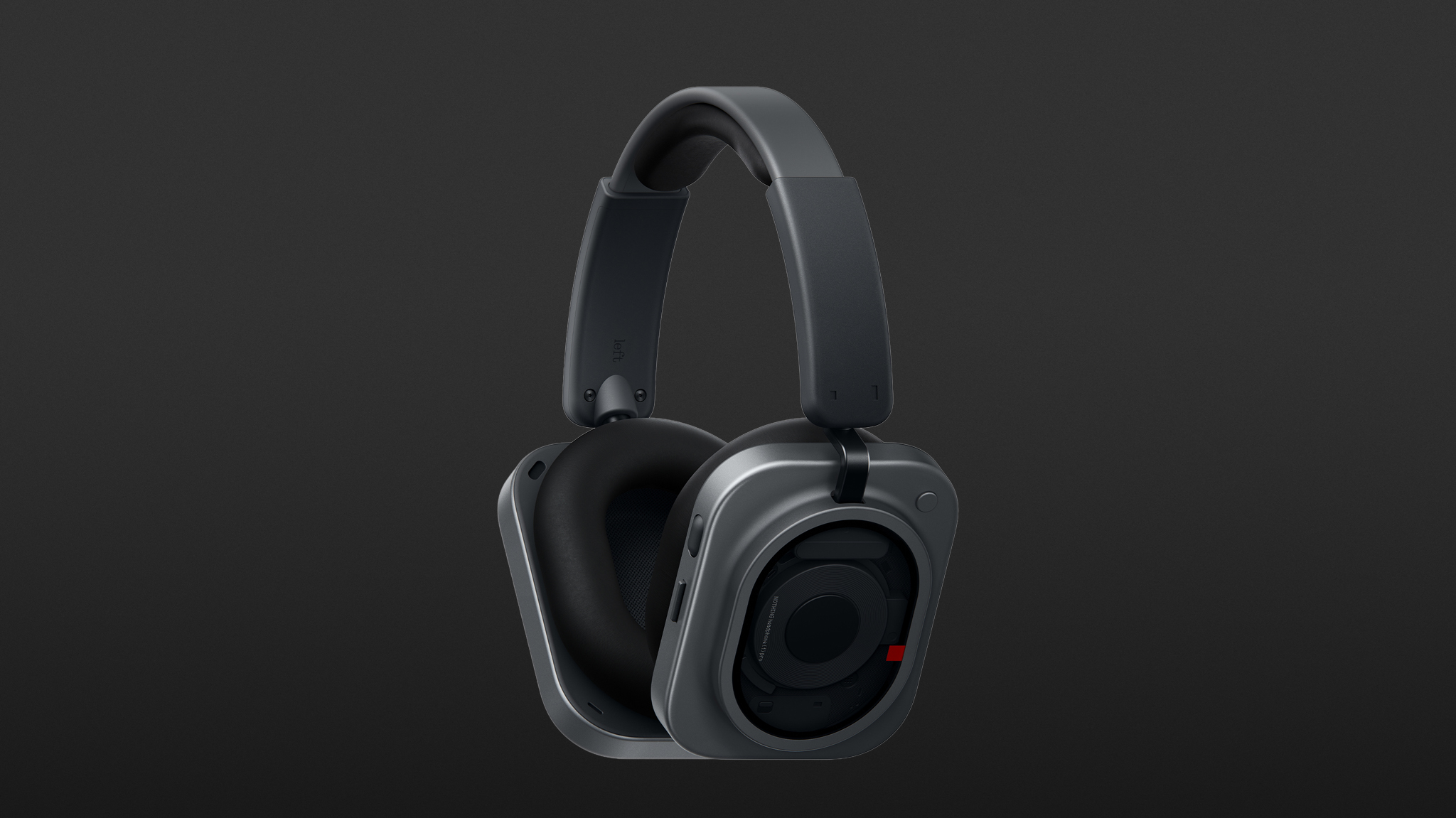
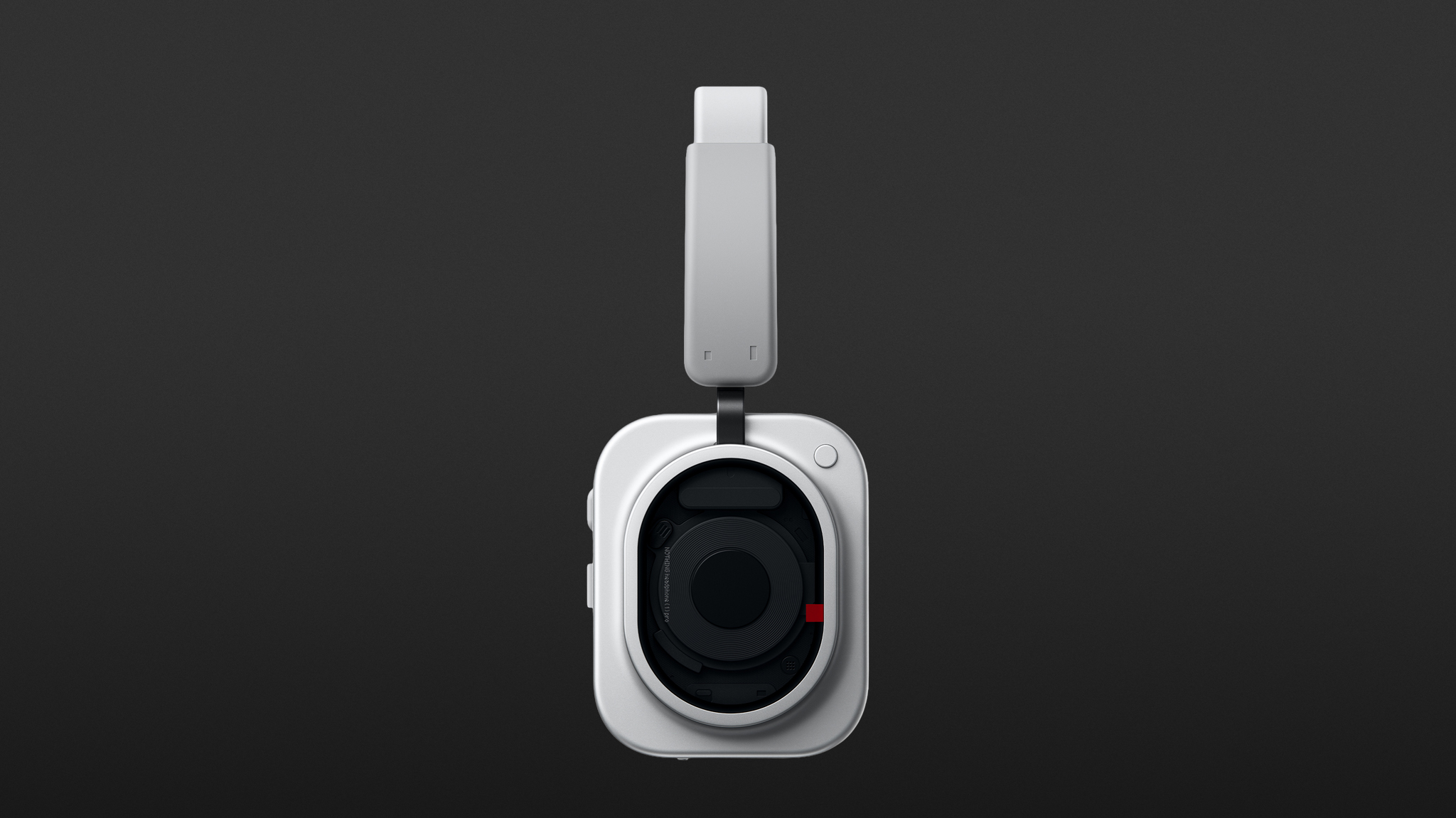
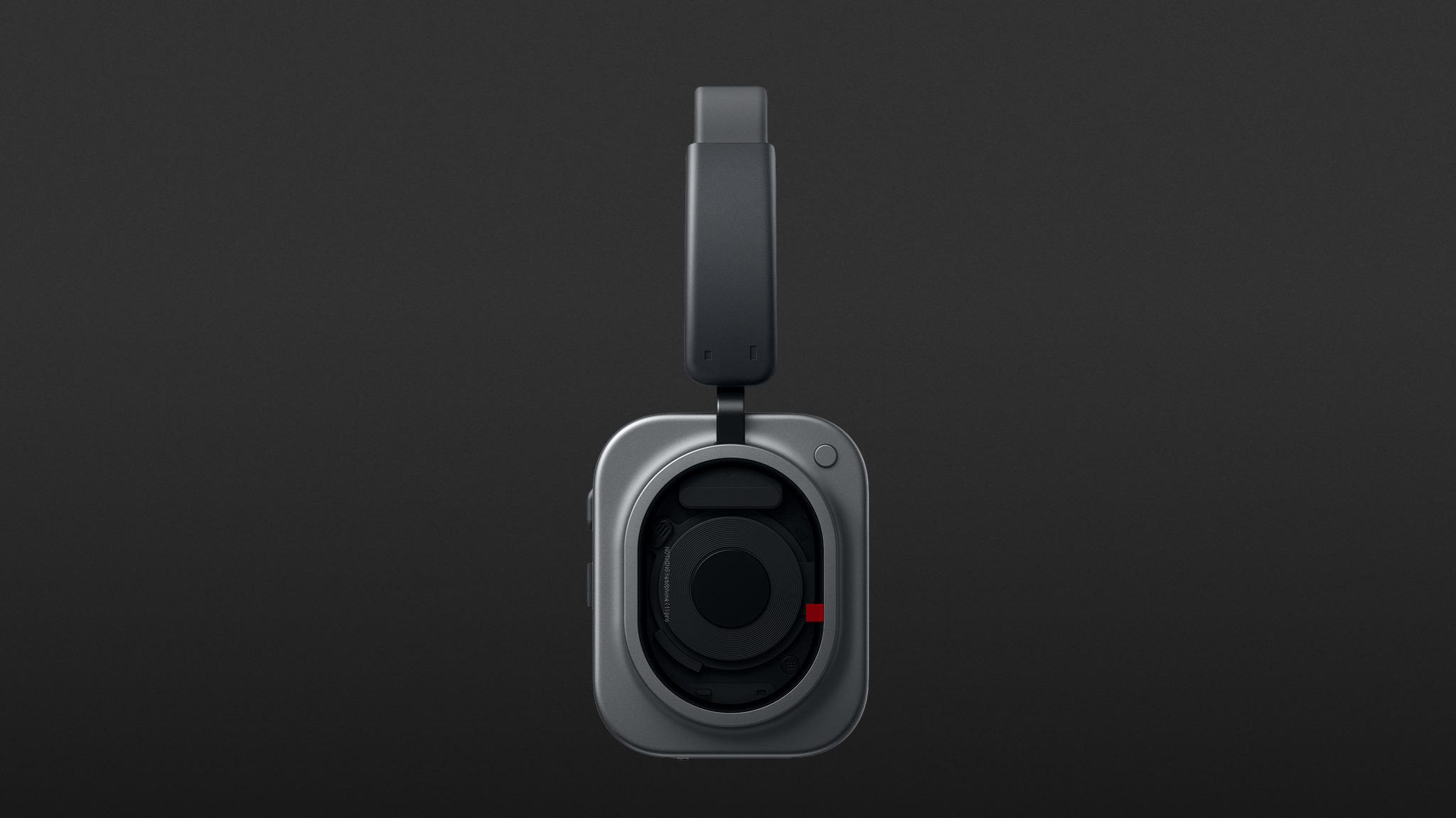
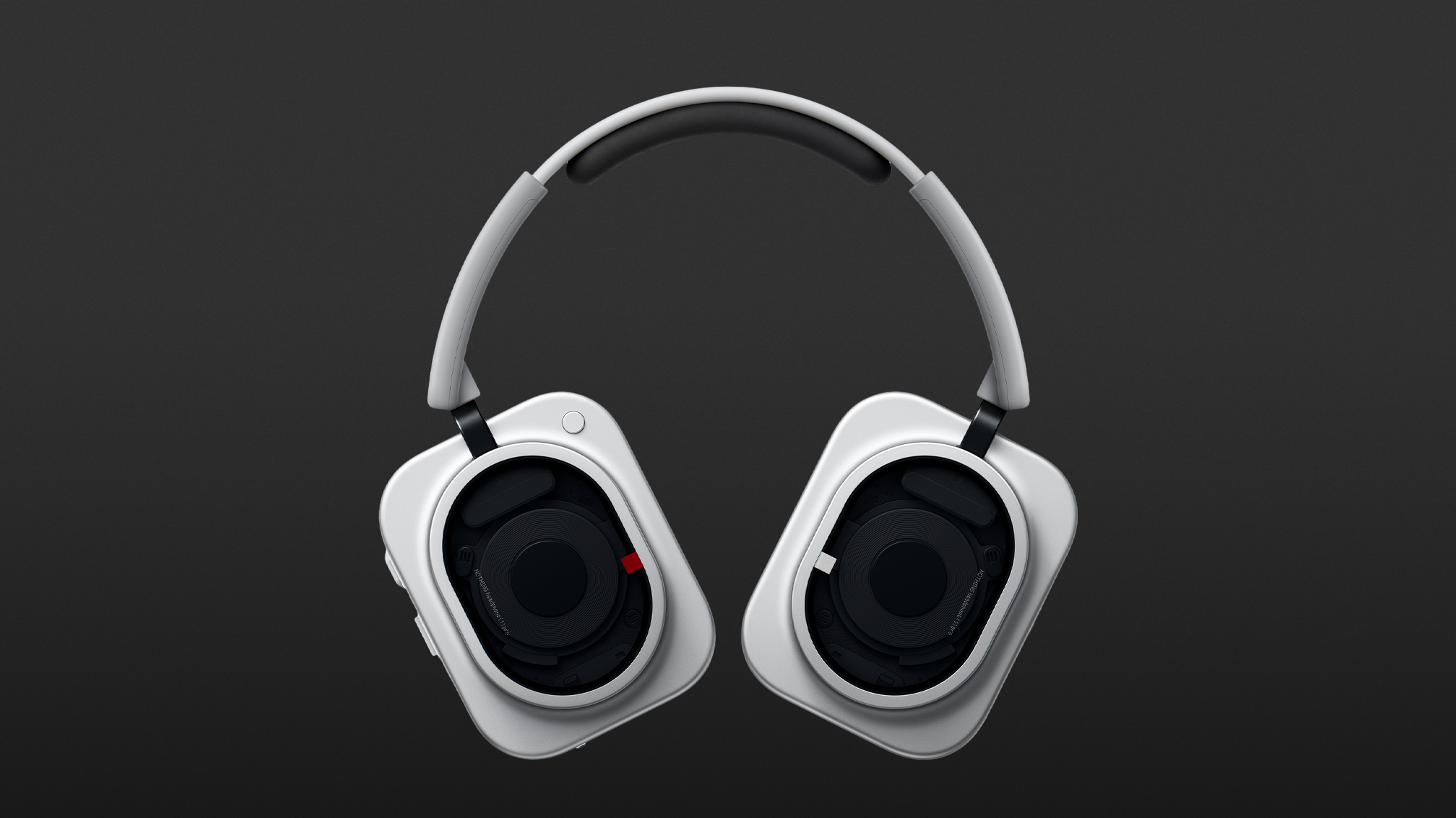
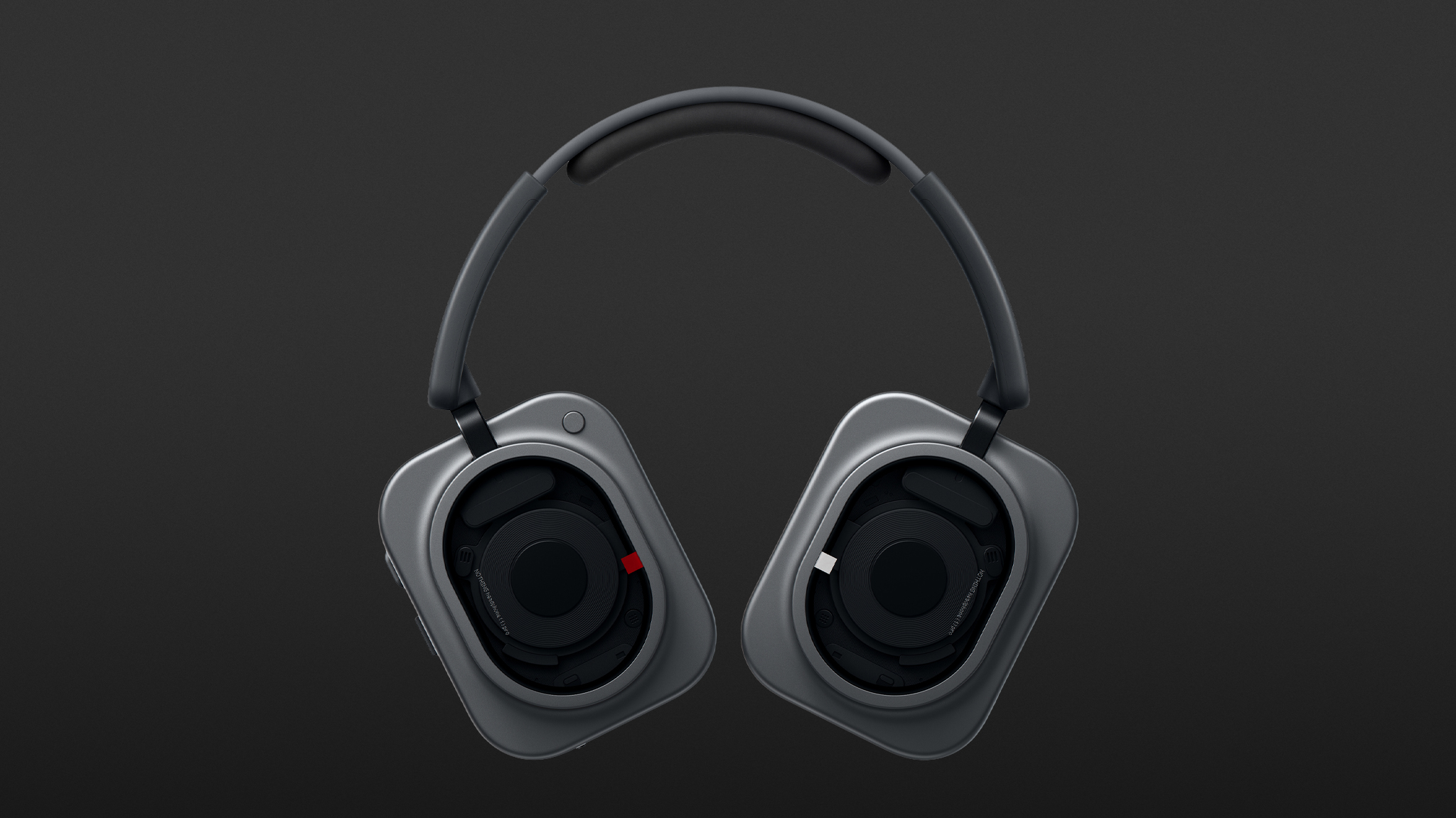
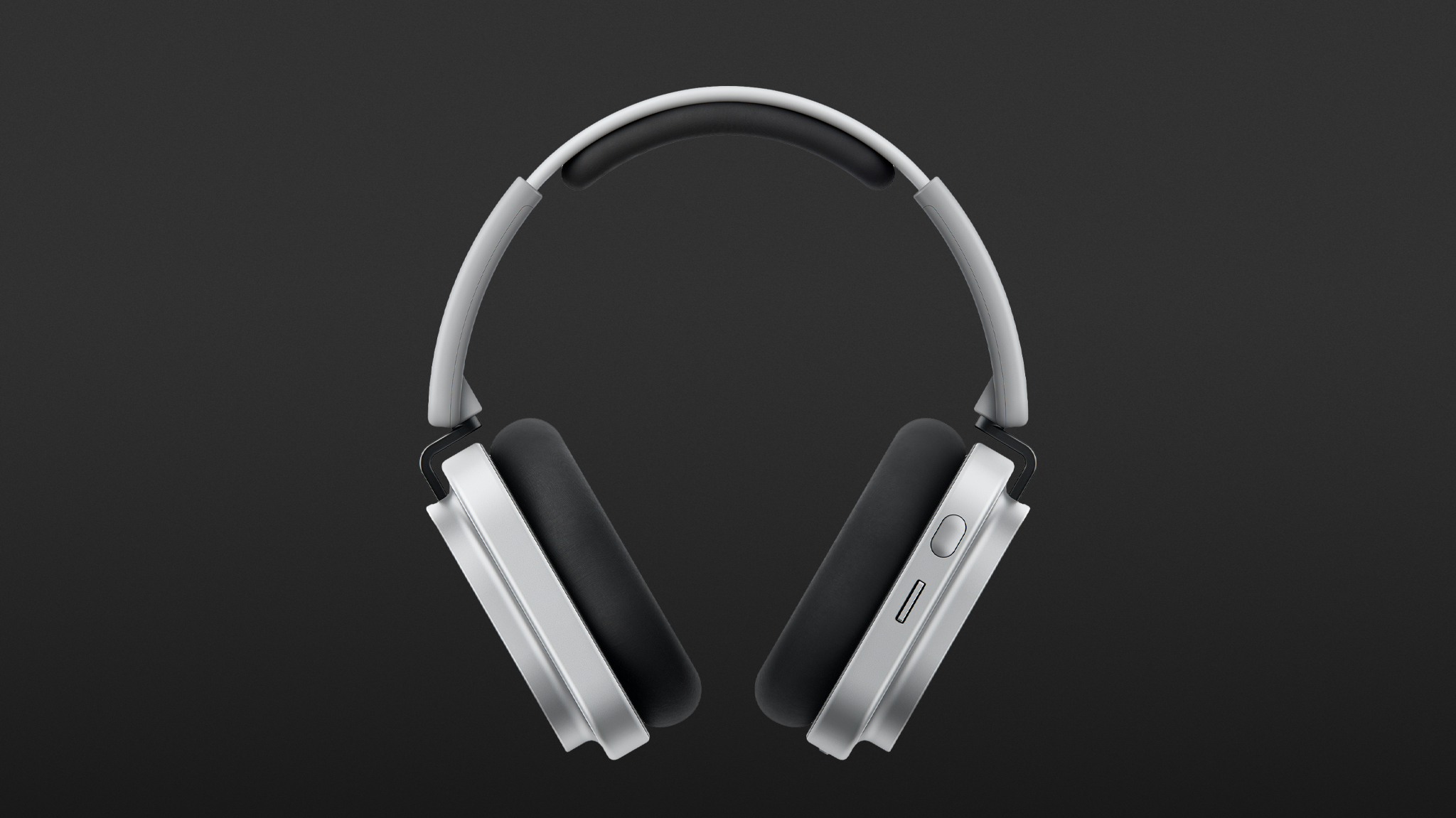
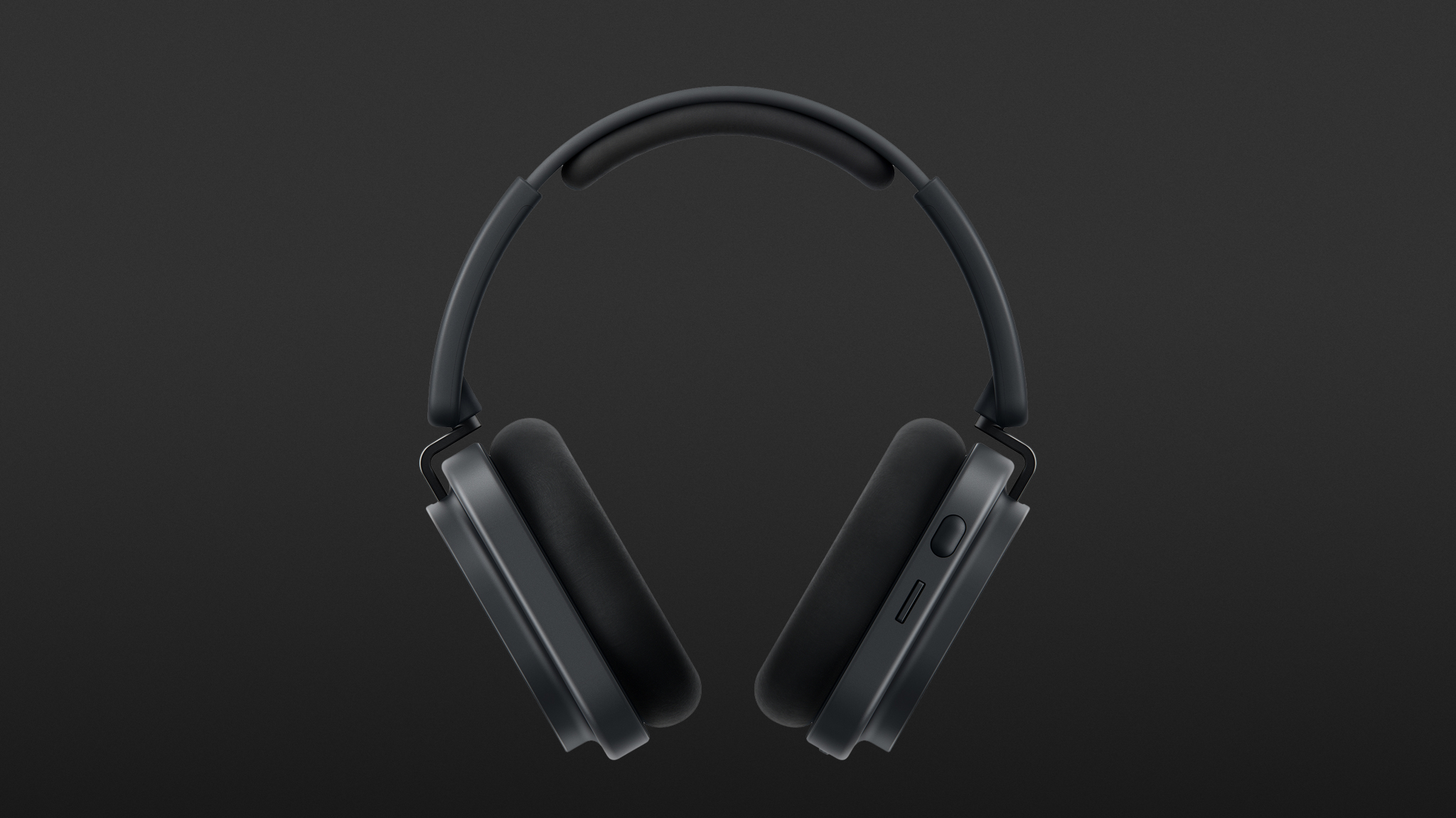
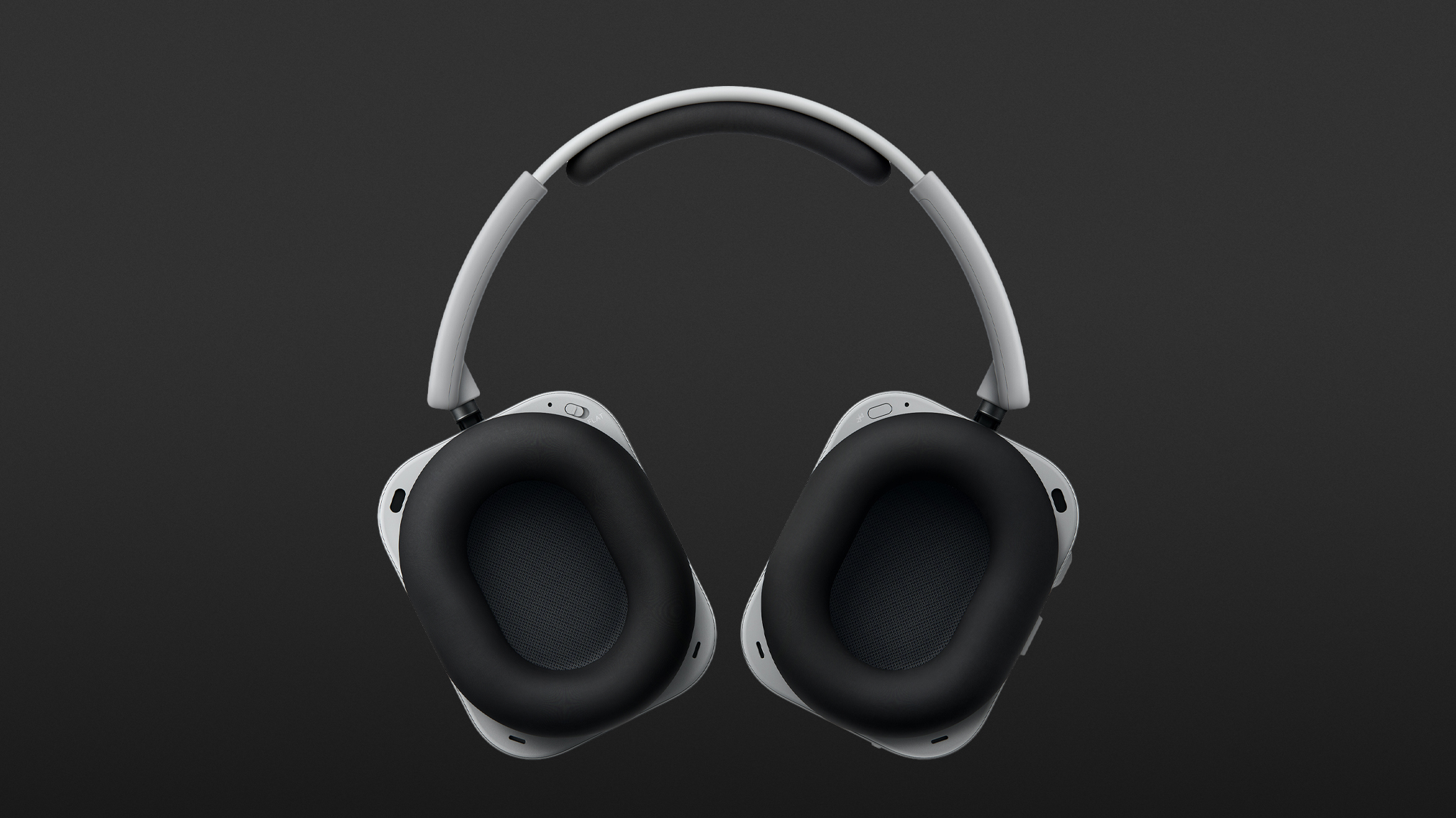
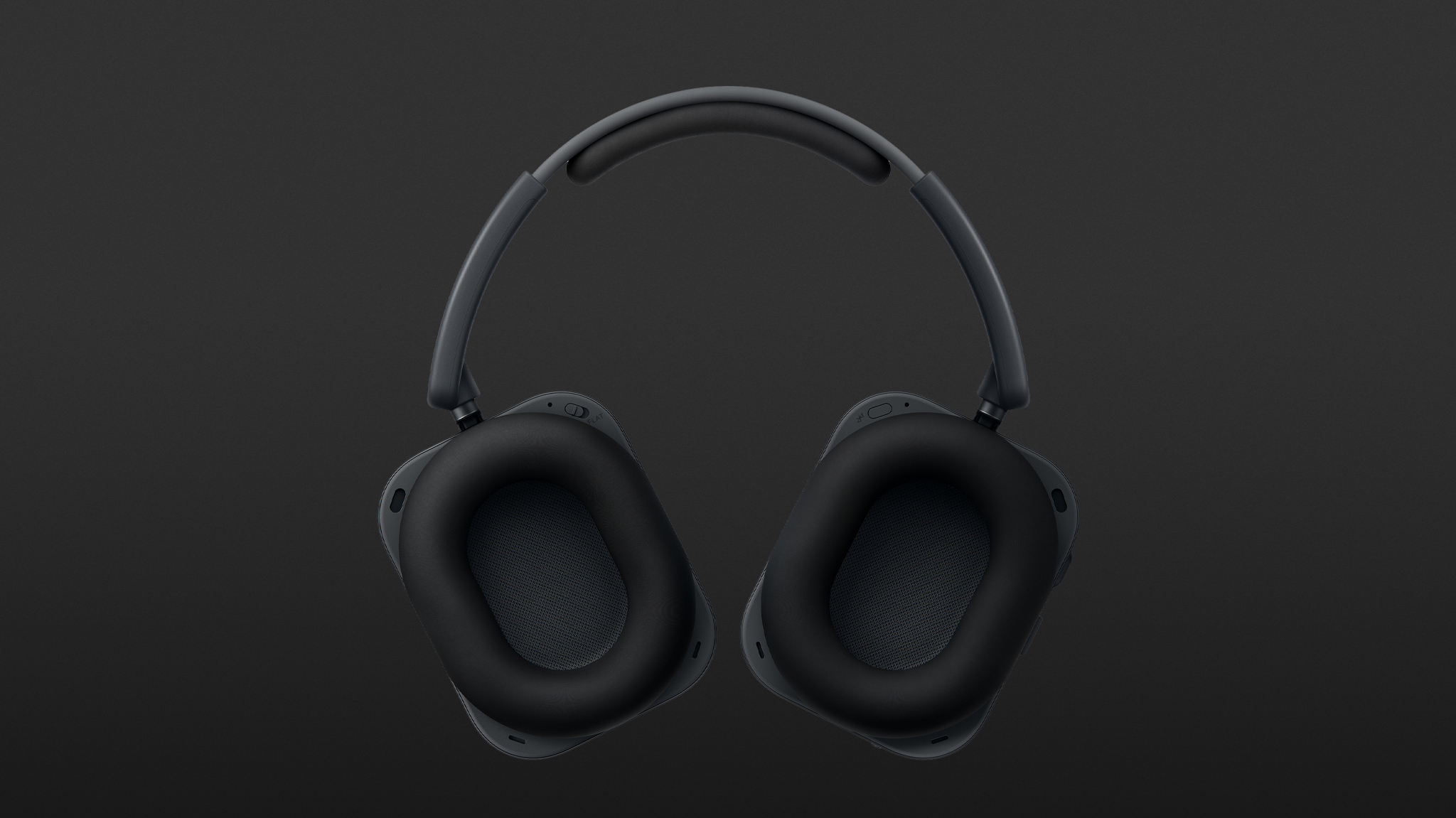
With the Nothing Headphone (1) Pro, the London-based company adds a third, pricier model to its over-ear lineup and answers almost every point of criticism we had about the Headphone (1). Headband padding, heat buildup under the ear cups and the missing USB audio were the only real drawbacks in our Headphone (1) review. The Pro version tackles exactly these three points. But not only those, because what the Headphone (1) Pro has to offer is state of the art from a technical standpoint.
Table of Contents
- Overview
- Design, Materials and Comfort
- Connectivity: Bluetooth 6.1, Auracast, USB-C Lossless
- Battery Life
- Nothing X App
- Metropolis Studios: Flat EQ, Studio B and Custom EQs
- Triple Driver
- Sound
- ANC and Microphones
- Headphone (1) or Headphone (1) Pro?
- Verdict
- FAQ: Frequently Asked Questions About the Nothing Headphone (1) Pro
- Technical Specifications
Overview
The Nothing Headphone (1) Pro is a standalone over-ear flagship in Nothing’s headphone lineup, tuned in collaboration with London’s Metropolis Studios rather than with hi-fi specialist KEF, as the Headphone (1) was. Particularly exciting: the (1) Pro arrives with a triple driver architecture, revised ANC with ten microphones and (lossless) USB-C audio. And a Flat EQ switch on the inside of the left ear cup is aimed at listeners who want not just hi-fi sound but also a neutral sound, for example as a reference tool.
Nothing Headphone (1) Pro: Video Unboxing
You are currently viewing a placeholder content from YouTube. To access the actual content, click the button below. Please note that doing so will share data with third-party providers.
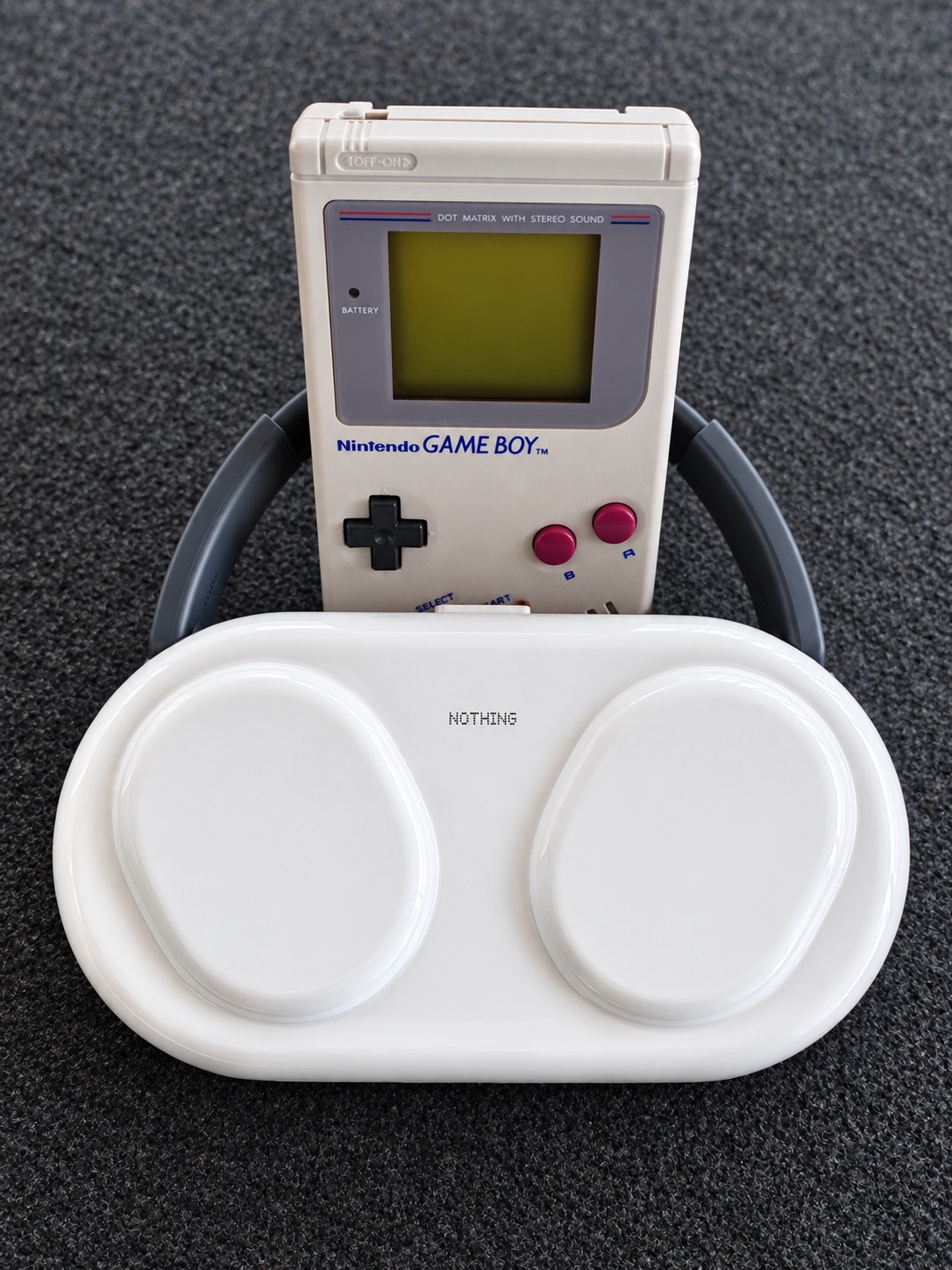
The Nothing Headphone (1) Pro costs €349 MSRP, £349 MSRP, 399 $ US MSRP. It does not replace the still-available Headphone (1) but expands the lineup with a more studio-oriented variant. It is available in black and white. Both share a carrying case that resembles the one for the Apple AirPods Max. But instead of a thin sleeve, the (1) Pro sleeps in a sturdy hard-plastic case whose shade of gray matches my Game Boy perfectly …
Design, Materials and Comfort
Bottom line: The Headphone (1) Pro relies on glass and titanium, offers much better headband padding and ear pads that seal well even with glasses. The slider mechanism remains an acquired taste and felt stiff on our test unit.
The Nothing Headphone (1) Pro stays true to the series’ transparent look but adds glass and milled titanium as new materials. A so-called “9H Panda Glass” is used. 9H refers to pencil hardness: a 9H pencil, the hardest lead, leaves no scratches. That doesn’t tell us how well the glass sides survive a drop, though.
The headphones weigh around 327 grams. A 20-degree swivel mechanism on the ear cups themselves adapts to different head shapes, and the cups can be folded inward by 90 degrees so the headphones can easily be worn around the neck. The headband can be adjusted from 132 to 169 millimeters, which is rather stiff on our test unit, however.
The criticism I voiced about the Headphone (1) partly applies to the Nothing Headphone (1) Pro as well: to me, the whole headband construction still isn’t ideal. Unlike many other headphones, you slide the upper part of the headband into the lower rails. In practice, it takes some practice at first to adjust the headphones properly.
In my review of the Nothing Headphone (1), I wished for more luxurious headband padding; with the (1) Pro, the manufacturer has delivered. It looks rather thin compared with a Sennheiser Momentum 5 Wireless, but its soft filling cushions well.
The replaceable ear pads combine a two-layer construction of PU leather and nylon fabric, reinforced by an eight-millimeter-thick silicone baffle in the center that is meant to provide additional sealing. The foam is supposed to conform more flexibly around glasses temples, piercings and individual ear contours. And in practice, we can confirm that. Thin glasses temples seal cleanly; heat buildup feels better than on the regular Headphone (1), even if closed-back headphones are what they are. The inner size of the ear pads is about 6 cm × 4 cm, with a depth of roughly 2.3 cm.
The ingress protection rating is IP52: Only a few over-ear headphones carry an official IP certification.
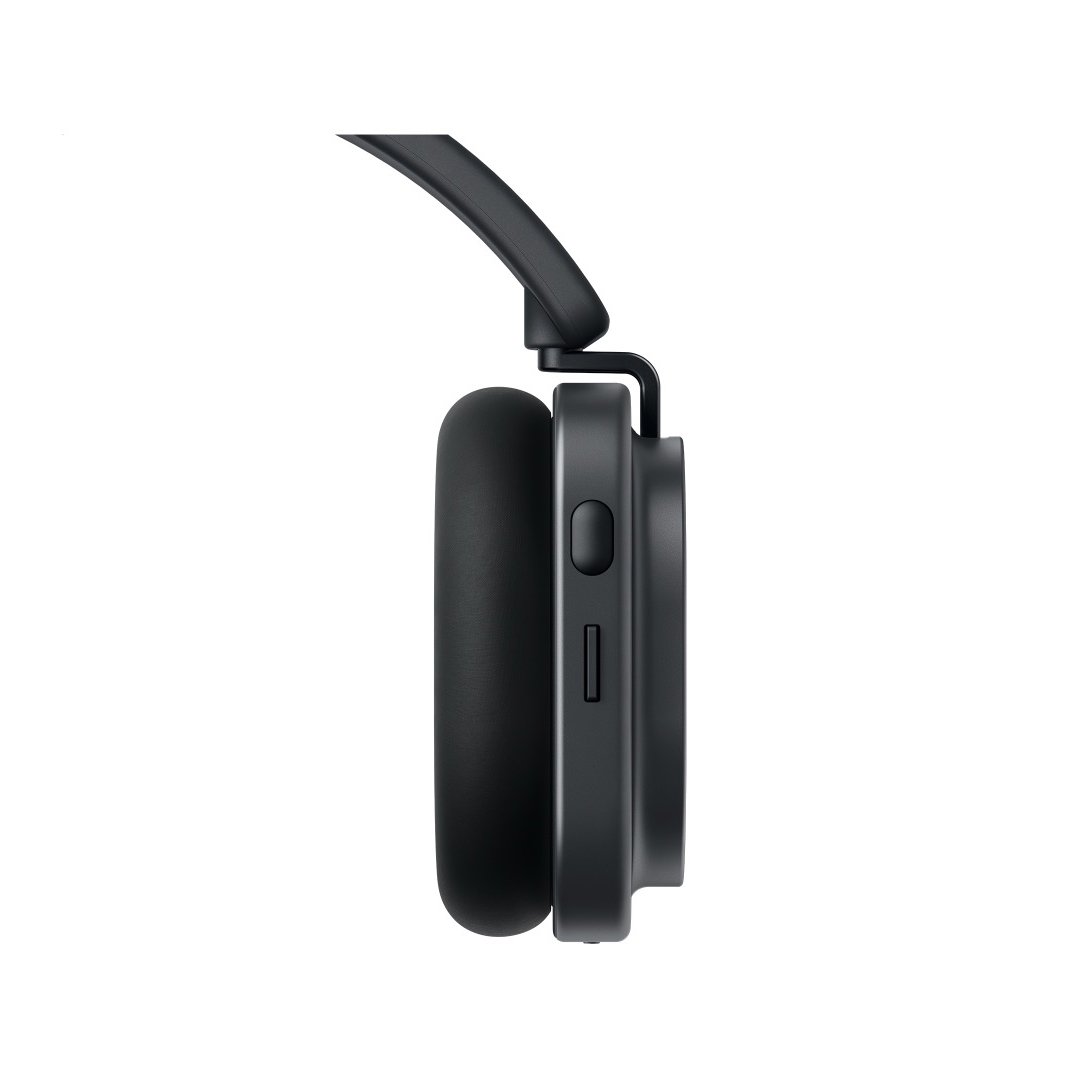
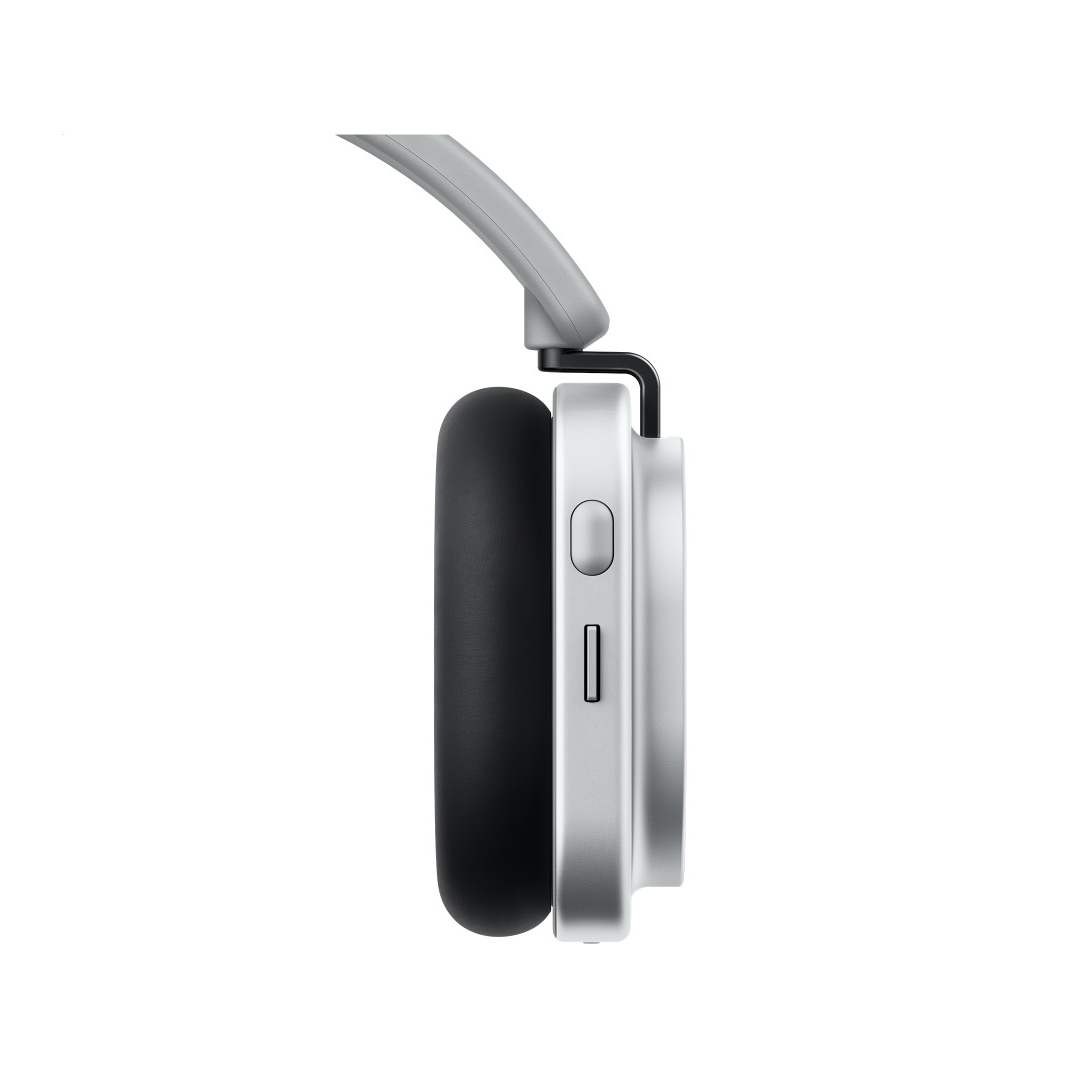
The controls of the Nothing Headphone (1) Pro: Roller (dial) adjusts volume, play/pause and mode switching (ANC/transparency). Paddle (rocker switch) controls tracks and calls (next track, previous track, answer/reject call, fast-forward and rewind). | Images: Nothing
Connectivity: Bluetooth 6.1, Auracast, USB-C Lossless
Bottom line: Bluetooth 6.1, LDAC and lossless USB-C audio make the headphones flexible. The highlight is Auracast as sender and receiver, because it lets you share the stream with up to ten devices.
The Nothing Headphone (1) Pro connects via the very latest Bluetooth 6.1 standard and supports Auracast. The real showstopper, though, is that the headphones can work as both a sender and a receiver. Competitors don’t offer that. In practice, this means up to ten Auracast devices can receive the stream from the Nothing Headphone (1) Pro. Ideal if you want to listen to the same podcast, audiobook or radio play with friends on a long train ride, for example. Of course, this requires your travel companions to own Auracast-capable headphones as well.
Google Fast Pair and Microsoft Swift Pair are on board as well, plus a dual-device connection (multipoint) for two simultaneously connected devices.
Wired, the Nothing Headphone (1) Pro supports lossless playback at up to 24-bit and 192 kilohertz over USB-C and hi-res audio at up to 24-bit and 96 kilohertz over the 3.5 mm jack. Wirelessly, SBC, AAC and LDAC are available, plus LC3 for broadcast audio. According to the manufacturer, a low-latency mode reduces end-to-end delay to under 120 milliseconds.
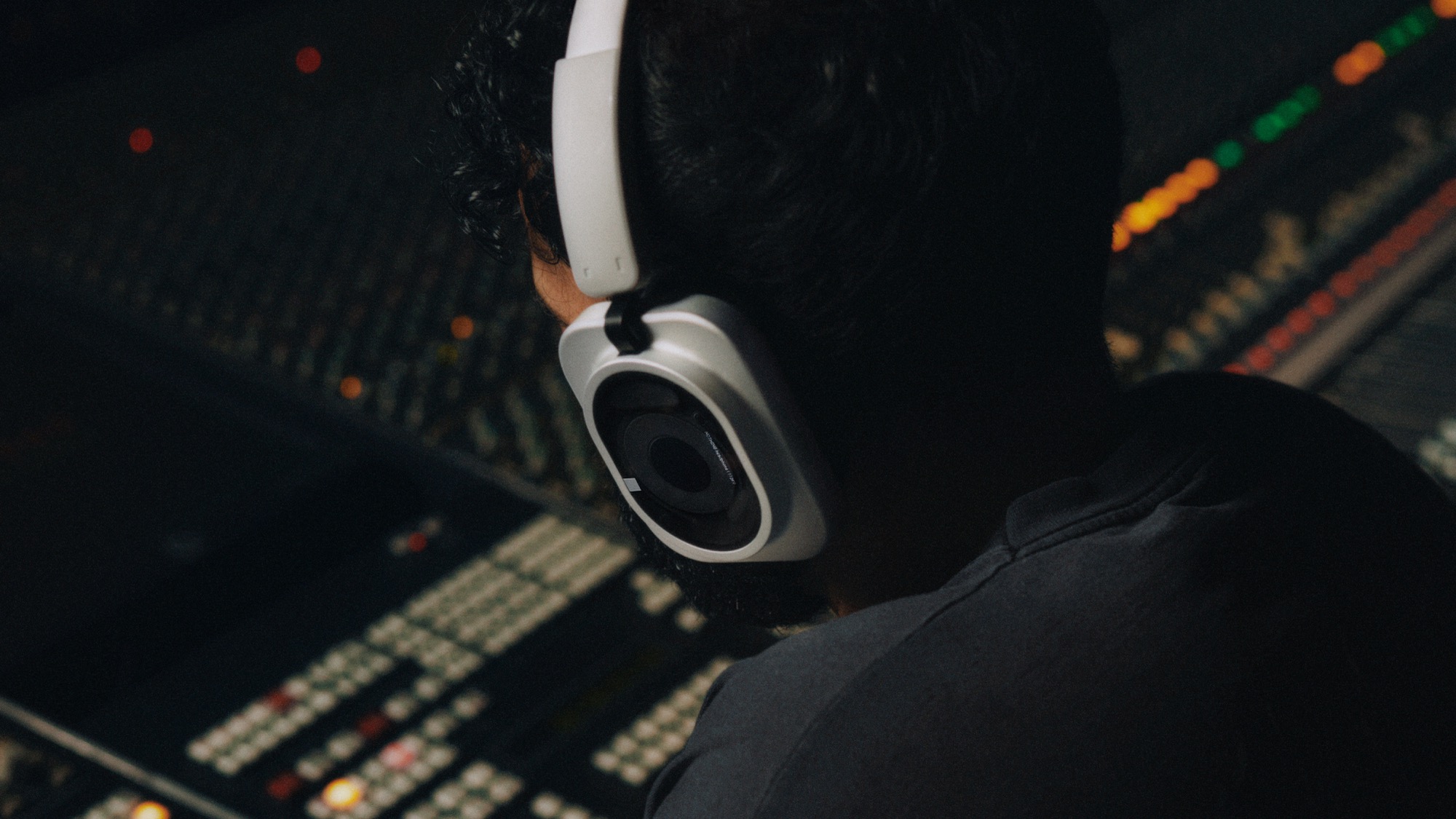
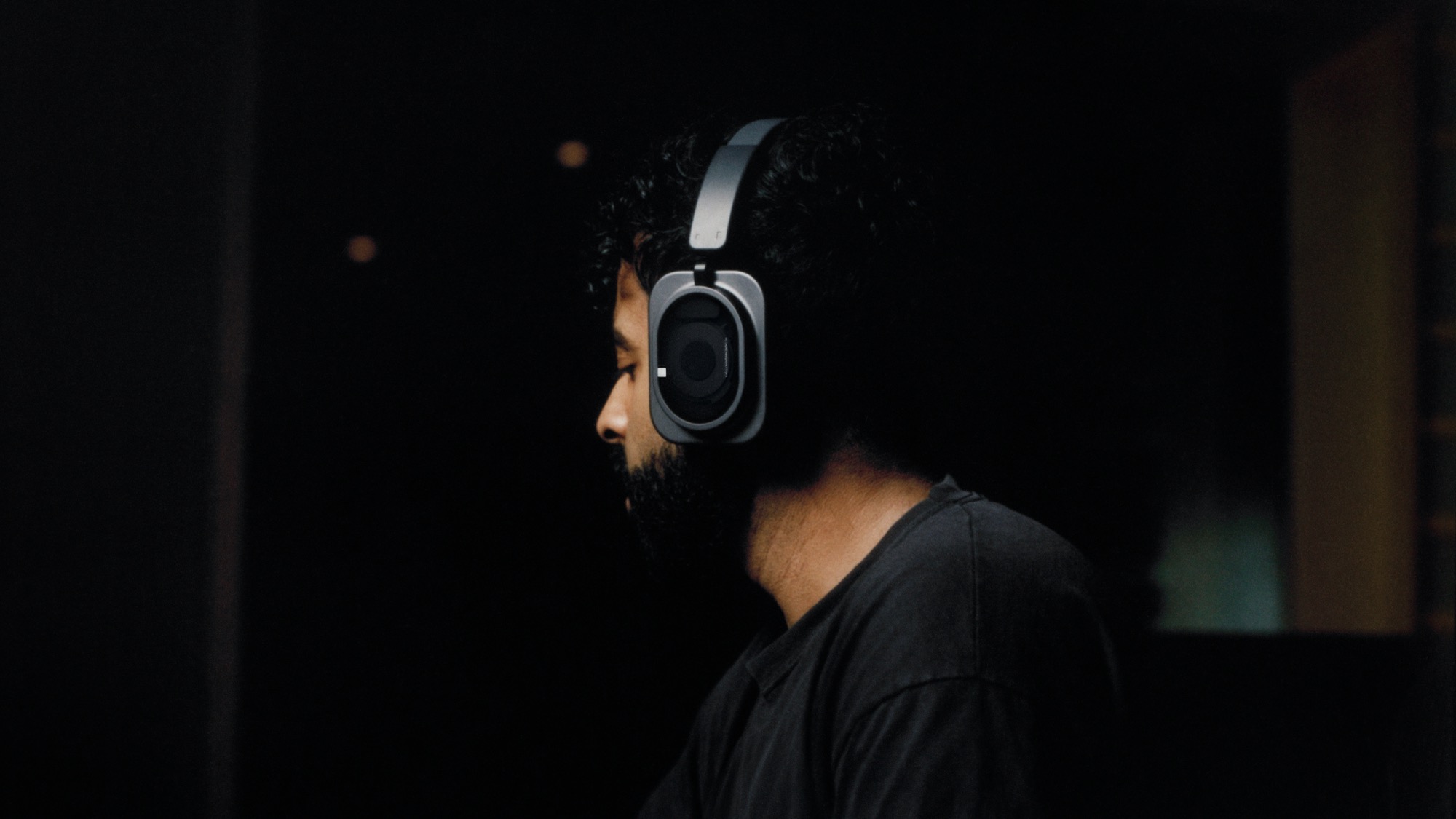
Images: Nothing
Battery Life
According to the spec sheet, the Nothing Headphone (1) Pro lasts up to 68 hours with the AAC codec and ANC off and up to 30 hours with ANC on; in LDAC mode it is 53 and 28 hours, respectively. For calls, Nothing quotes 40 hours without and 33 hours with ANC. The battery charges fully in about two hours, and five minutes of fast charging restores four hours of playback without ANC or two hours with ANC on.
Nothing X App
Bottom line: The advanced EQ leaves little to be desired. With the five spatial audio modes, it comes down to taste: Music Club suits jazz and hip-hop, Club suits dance tracks.
Via the Nothing X app (iOS and Android) or directly through the system settings of a Nothing smartphone, the Nothing Headphone (1) Pro can be adjusted with a simple EQ featuring presets for balance, bass, treble, voices or instruments. This three-band EQ naturally allows custom adjustments too. It gets really wild once you activate the advanced EQ: with freely movable tuning points from 20 hertz to 20 kilohertz including Q factor, plus the option to control the main and precision drivers separately, there is nothing left to wish for.
Here you also choose one of five dynamic spatial audio modes, including head tracking, which the manufacturer describes as follows:
- Standard: Wide and balanced, for music and movies
- Studio B by Metropolis Studios: Powerful and authentic, for focused listening
- Club: Deep and energetic, for electronic, dance and pop
- Concert Hall: Refined and spacious, for orchestral and classical music
- Music Club: Raw and reverberant, for rock, indie, jazz and hip-hop
Ultimately, though, this comes down to taste, because not all of these audio modes work equally well for me. Especially with wild genre mixes in a playlist, the coloration of a particular profile doesn’t always fit. I found the combination of jazz and (some) hip-hop tracks with the Music Club preset particularly successful. It adds subtle spatial information and a little more bass. The real fun, though, is the Club preset together with dance tracks.
A hearing test function also creates a personal sound profile based on your individual hearing. Very quiet tones get lost in the (low) noise floor, though. Would I have heard them if that weren’t the case?
Also on board: a find function for the last connection location and, on Nothing smartphones, voice control for ChatGPT and daily news briefings.
Metropolis Studios: Flat EQ, Studio B and Custom EQs
Bottom line: The physical Flat EQ switch and the five genre EQs from Metropolis Studios are cleanly implemented. The presets feel finely tuned, and the Electronica profile suited almost every track.
For the Nothing Headphone (1) Pro, the manufacturer worked with Metropolis Studios, a London recording studio with albums by Adele and Coldplay in its reference list. The result is a physical switch on the headphones that toggles between a neutral Flat EQ profile for critical listening and the usual everyday settings. With Flat EQ active, transparency mode, spatial audio and EQ settings are automatically disabled.
In addition, the Nothing Headphone (1) Pro features a spatial audio mode called Studio B (see above), which is meant to recreate the sound of one of the studio’s control rooms. Five genre-specific EQ profiles tuned by Metropolis Studios (Neo-Jazz, British Rock, UK Rap + Grime, Electronica and UK Bass) round out the package and are available in the Nothing X app.
You can’t complain about quality here. The presets feel finely tuned, and as an “electronic music guy,” I found the Electronica preset worked really well with almost every track (including my own productions).
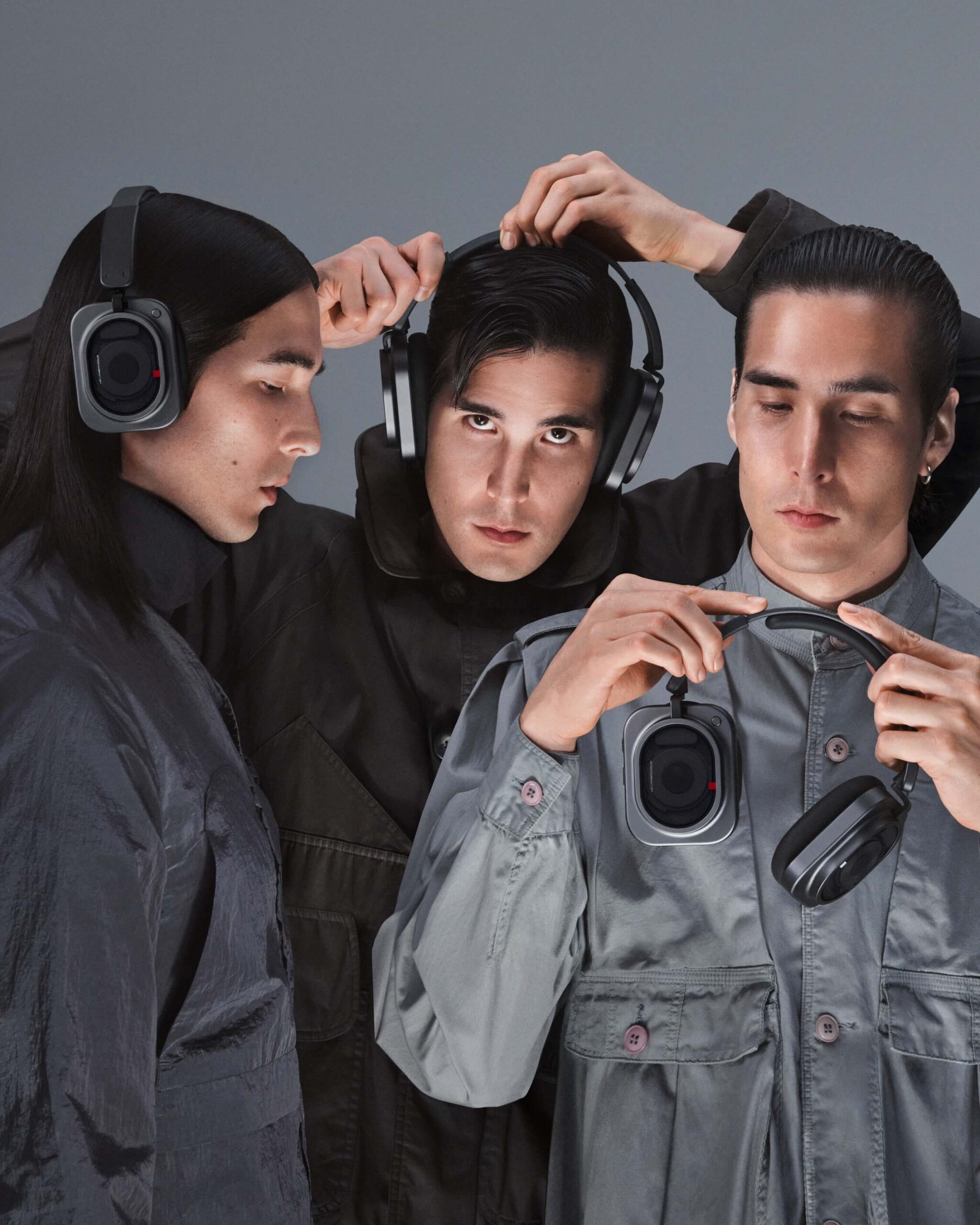
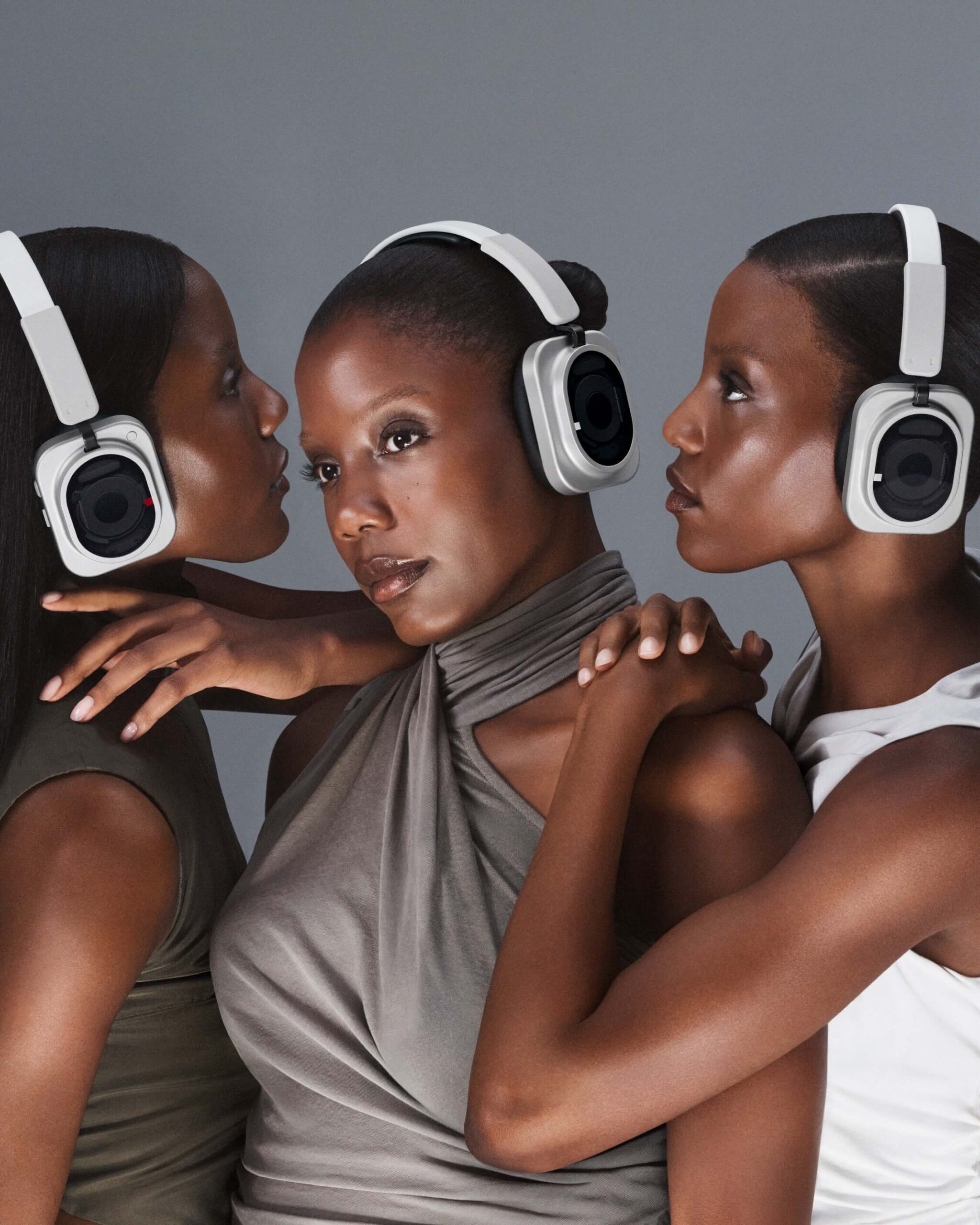
The triplets in the product images are no coincidence. According to Nothing, they are a nod to the three installed drivers. | Images: Nothing
Triple Driver
The Nothing Headphone (1) Pro relies on a triple driver architecture: a 40 mm dynamic bass driver, a 13 × 8 mm dynamic precision driver for the mids and an xMEMS tweeter for the range up to 40 kilohertz work together. Each driver specializes in one part of the frequency spectrum to achieve more depth, texture and clarity across the entire range.
The three drivers of the Nothing Headphone (1) Pro at a glance (manufacturer specifications):
- 40 mm dynamic driver for bass (20 Hz to 10 kHz)
A PEEK+PU surround delivers tight bass, and the electroplated PET metal-ceramic dome reduces distortion at high volumes. Compared with the single-magnet design of the Headphone (1), it offers 15% more force and 26% higher sensitivity for deeper, more powerful bass. - Precision dynamic driver (5 to 15 kHz)
Vocals and instruments come alive in this presence range. A PEN diaphragm with higher stability provides more clarity without echoes or distortion. As a result, vocals sound more present and closer to the listener, with breathing, articulation and sounds like “S” and “T” reproduced with greater texture and detail. - xMEMS tweeter (10 to 40 kHz)
The silicone membrane is 95 times stiffer than plastic but considerably lighter. It delivers transients better and without distortion and amplifies overtones and textures, so instruments sound richer, more detailed and closer to their real sound.
Sound
Bottom line: The sound ranges from neutral to bass-heavy and adapts well to your own taste. Bass, mids and soundstage impress; sibilants edge toward harshness depending on the preset.
In terms of sound, the Nothing Headphone (1) Pro is a chameleon: from sober and neutral to modern and bass-heavy, it effortlessly approaches your personal taste. On top of that, it can be adapted thanks to the individual hearing test. That makes a neutral sound assessment rather difficult, as in my case.
Generally, though, you can tell it benefits from the dedicated triple driver tuning: The 40 mm dynamic driver reproduces bass cleanly, so it always remains tonally recognizable.
The precision dynamic driver brings out the midrange nicely; it renders vocals present but not overemphasized. Together with the xMEMS tweeter, however, sibilants can, depending on the preset, come awfully close to the edge of harshness.
The liveliness carries over to the virtual stage. Reverb tails fade out naturally, the layering of instruments is always easy to follow, and even with dense arrangements you don’t lose track.
ANC and Microphones
Bottom line: The ANC filters out monotonous noise such as train and airplane rumble very strongly and comes close to the Sony WH-1000XM6. Transparency mode and call quality impress as well.
For noise cancelling, the Nothing Headphone (1) Pro uses ten microphones, three feedforward and two feedback microphones per side, oriented inward to avoid direct wind influence, which works very well in practice. An adaptive ANC system automatically adjusts between Low, Medium and High levels to the environment and, according to the spec sheet, achieves up to 46 decibels of attenuation.
The ANC of the Nothing Headphone (1) Pro packs a punch and broadly filters all kinds of monotonous noise, such as train or airplane rumble. Voices come through only heavily attenuated; overall, the ANC comes close to the effectiveness of the market leader, the Sony WH-1000XM6.
In a direct comparison, the Nothing Headphone (1) Pro filters airplane noise and white noise about as strongly as the Bose QuietComfort Headphones (2nd Gen). I do prefer the more discreet noise floor of the (1) Pro, though. The Apple AirPods Max 2 play in this league too, although in our ears they sometimes take the lead, depending on the situation. The noise floor stays politely in the background and is hardly noticeable even in absolute silence.
Transparency mode is a success too: Natural, low noise floor, what more could you want?
Clear Voice Technology is used for phone calls, trained, according to the manufacturer, on 30 million real-world audio samples from traffic, restaurants and windy environments. A DNN-based beamforming system with four microphones is meant to separate your own voice from background noise.
This also works very well in practice, although the person on the other end very slightly picked up voices and noises from the background. Voice quality was good to very good. Only in windy surroundings did your own voice occasionally show artifacts.
Headphone (1) or Headphone (1) Pro?
Bottom line: For €50 more, the Pro offers a triple driver, stronger ANC, Bluetooth 6.1 with Auracast and USB-C audio. Only battery life is shorter. We recommend paying the premium.
Both models deliberately follow different approaches: The Headphone (1) was tuned with hi-fi specialist KEF, the Nothing Headphone (1) Pro with the professional recording studio Metropolis Studios. Anyone choosing between them should therefore ask less “better or worse?” than which philosophy better suits their own listening habits.
Technically, for €50 more the Nothing Headphone (1) Pro brings a triple driver instead of a single driver architecture compared with the Headphone (1), ANC strengthened to 46 instead of 42 decibels with more microphones, Bluetooth 6.1 instead of 5.3 including an Auracast sender and, for the first time, lossless USB-C audio, which the Headphone (1) lacks entirely. Nothing also promises noticeable improvements in wearing comfort: thicker padding, a wider headband and a much softer foam.
The Pro doesn’t come out ahead in everything, though: According to the spec sheet, battery life is shorter than on the Headphone (1), presumably the price for the additional drivers and microphones.
Still, if you have the choice and €50 to spare, we recommend paying the premium for the (1) Pro. The bigger sibling’s feature set is convincing.
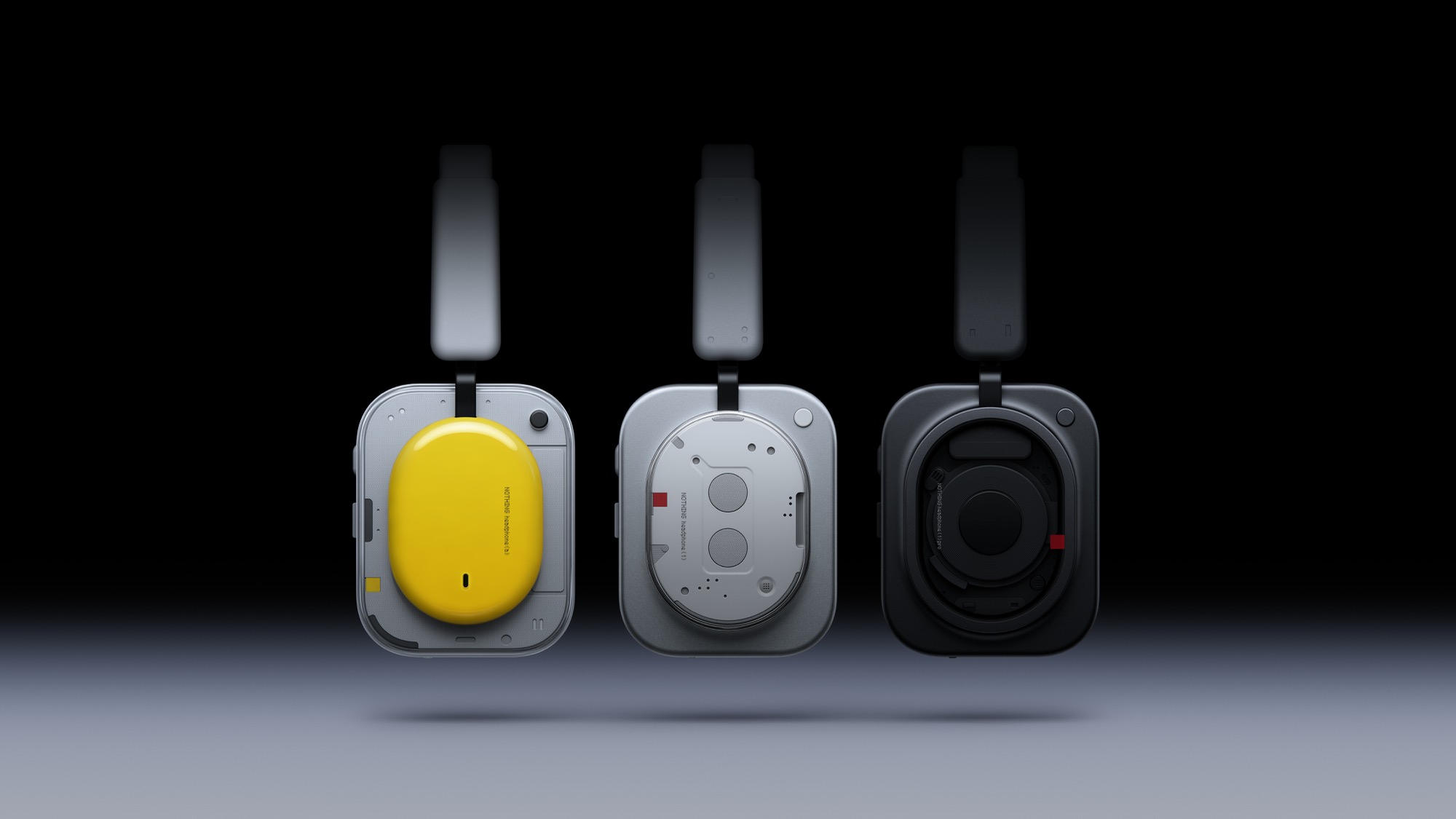
From left: Nothing Headphone (a), Nothing Headphone (1) and Nothing Headphone (1) Pro | Image: Nothing
Verdict
The Nothing Headphone (1) Pro is a technically well-rounded over-ear flagship that removes the biggest points of criticism of the Headphone (1). The headband padding is more luxurious, heat buildup is lower, and for the first time there is lossless USB-C audio. On top of that come ANC that comes close to the Sony WH-1000XM6, Auracast as sender and receiver and an extremely flexible EQ including the Flat EQ switch.
There is only a little to criticize. The headband mechanism is stiff and takes practice, sibilants scrape at the edge of harshness depending on the preset, and according to the spec sheet battery life is shorter than on the Headphone (1).
If you have the choice and €50 to spare, you should go for the Pro. For €349 MSRP, you get a feature set that is among the most comprehensive in this class.
FAQ: Frequently Asked Questions About the Nothing Headphone (1) Pro
How much does the Nothing Headphone (1) Pro cost?
The Nothing Headphone (1) Pro costs €349 MSRP. That is €50 more than the Headphone (1). It is available in black and white.
How long does the battery of the Nothing Headphone (1) Pro last?
With AAC, it lasts up to 68 hours with ANC off and up to 30 hours with ANC on, according to the spec sheet. With LDAC, it is 53 and 28 hours, respectively. The battery is fully charged after about two hours, and five minutes of fast charging are enough for four hours of playback without ANC.
How good is the ANC of the Nothing Headphone (1) Pro?
The ANC filters monotonous noise such as train and airplane rumble very strongly and comes close to the effectiveness of the Sony WH-1000XM6. According to the spec sheet, up to 46 decibels of attenuation are possible, and the noise floor is very low. Transparency mode sounds natural.
Does the Nothing Headphone (1) Pro support lossless audio?
Yes, up to 24-bit and 192 kilohertz lossless over USB-C. Over the 3.5 mm jack, you get hi-res audio at up to 24-bit and 96 kilohertz. Wirelessly, SBC, AAC and LDAC are available.
What can Auracast do on the Nothing Headphone (1) Pro?
The headphones can both send and receive Auracast. Up to ten devices can receive the stream, for example to listen to the same podcast with friends on a train. They must support Auracast as well.
What does the Flat EQ switch do?
The physical switch on the headphones toggles between a neutral Flat EQ profile for critical listening and the usual everyday settings. With Flat EQ active, transparency mode, spatial audio and EQ settings are automatically disabled.
Technical Specifications Nothing Headphone (1) Pro
| Design | Over-ear, closed-back |
| Bass driver | 40 mm, dynamic (20 Hz to 10 kHz) |
| Precision driver | 13 × 8 mm, dynamic (5 to 15 kHz according to the manufacturer) |
| Tweeter | xMEMS (10 to 40 kHz) |
| Frequency response | 20 Hz to 40,000 Hz |
| Impedance | no manufacturer data |
| Bluetooth | 6.1 |
| Codecs | SBC, AAC, LDAC, LC3 (broadcast audio) |
| Multipoint | Yes, two devices simultaneously |
| Auracast | Sender and receiver, up to ten receiving devices |
| Wired | USB-C lossless up to 24-bit/192 kHz, 3.5 mm jack hi-res up to 24-bit/96 kHz |
| Latency | Under 120 ms in low-latency mode (according to the manufacturer) |
| ANC | Adaptive (Low, Medium, High), up to 46 dB, 10 microphones (3 feedforward, 2 feedback per side) |
| Transparency mode | Yes |
| Calls | Clear Voice Technology, DNN beamforming with four microphones |
| Battery life (AAC) | Up to 68 hours without ANC, up to 30 hours with ANC |
| Battery life (LDAC) | Up to 53 hours without ANC, up to 28 hours with ANC |
| Battery life (calls) | Up to 40 hours without ANC, up to 33 hours with ANC |
| Charging time | About 2 hours; 5 minutes of fast charging: 4 hours without ANC or 2 hours with ANC |
| Weight | About 327 g |
| Headband adjustment | 132 to 169 mm |
| Ear pads | Replaceable, PU leather and nylon fabric, inner size about 6 × 4 cm, depth about 2.3 cm |
| Materials | 9H Panda Glass, milled titanium |
| Ingress protection | IP52 |
| App | Nothing X (iOS, Android) |
| Colors | Black, White |
| Price (MSRP) | €349 |
| In the box | Carrying case (hard plastic), 3.5 mm audio cable, USB-C cable |
Conclusion
Advantages / Disadvantages:
Advantages:
-
Triple driver with clean bass, present vocals and a coherent soundstage
-
Very effective ANC with a low noise floor
-
Lossless USB-C audio up to 24-bit and 192 kHz, Bluetooth 6.1, LDAC and multipoint
-
Auracast as sender and receiver for up to ten devices
-
Very extensive in-app EQ, Flat EQ switch and five genre presets from Metropolis Studios
-
Clearly improved wearing comfort, less heat buildup, a clean seal even with glasses
-
Up to 68 hours of battery life (AAC, ANC off), IP52 rating
Disadvantages:
-
Stiff headband, slider construction takes getting used to
Share Post:


About the author:

From
Redaktion
Editor
Der Redaktions-Account. Hierüber werden vor allem die News veröffentlicht - je nachdem, wer gerade Dienst hat ...