


In a nutshell
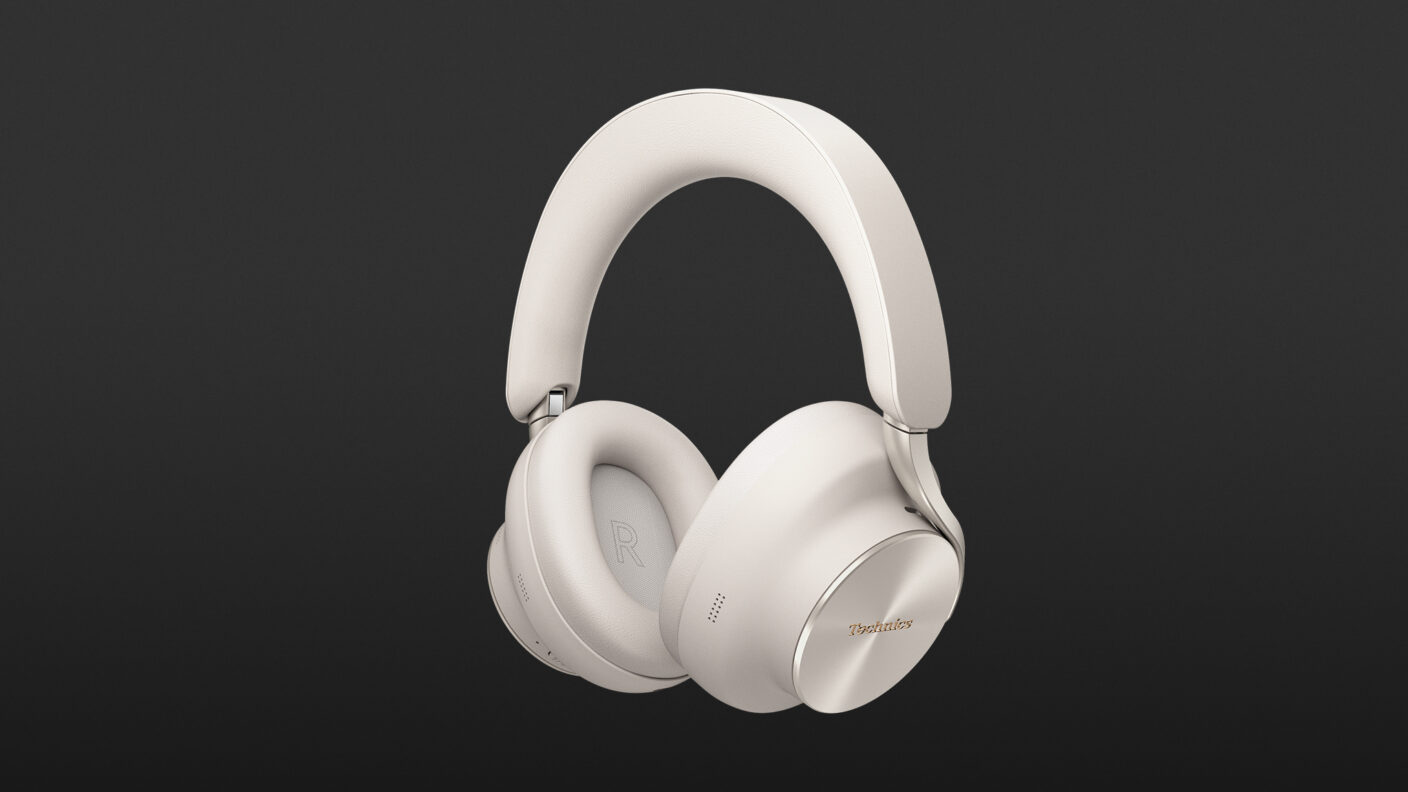
The Technics EAH-A1000 is a wireless over-ear with adaptive noise cancelling, balanced and detailed sound and up to 45 hours of battery life. In our test, the Technics EAH-A1000 proves to be a versatile everyday headphone with high wearing comfort, simple controls, Dolby Atmos spatial audio with head tracking and LE Audio with Auracast. At €449 it plays in the top league of over-ears; only the missing aptX codec dims the picture.
Pros:
-
Very good sound
-
High wearing comfort
-
Good battery life
-
Very good manual
-
LE Audio with Auracast
-
LDAC
Cons:
-
No aptX codec
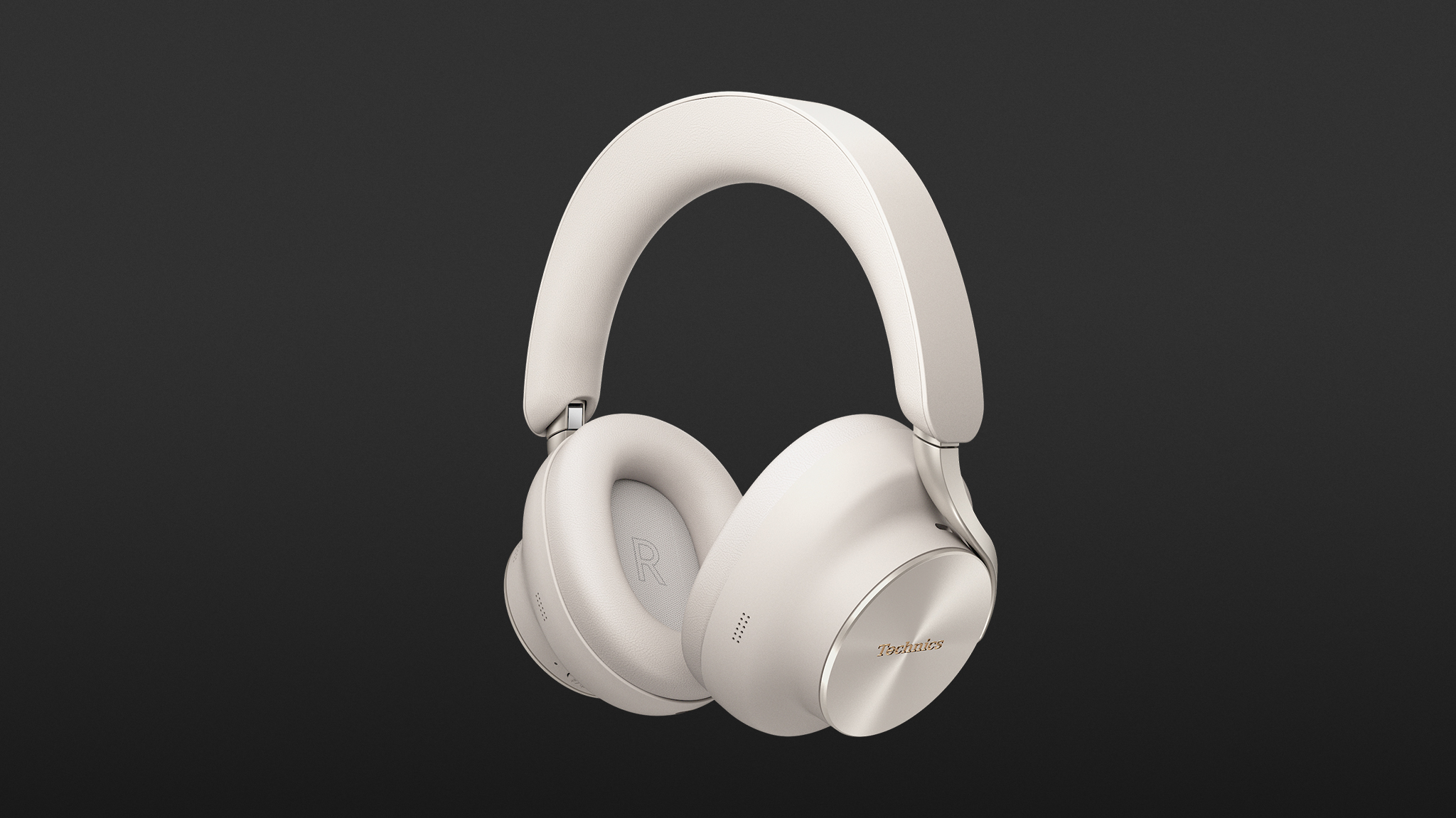
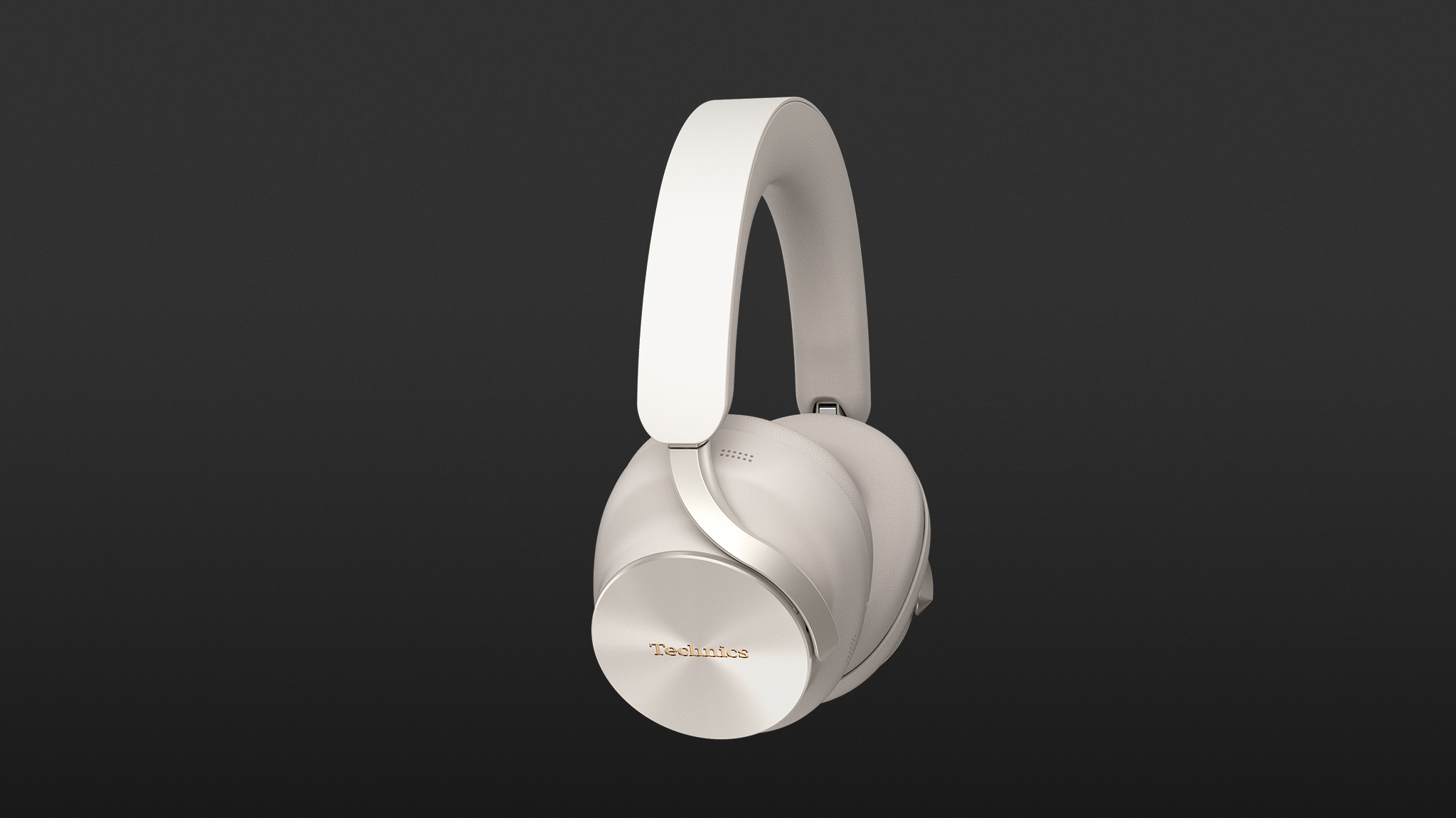
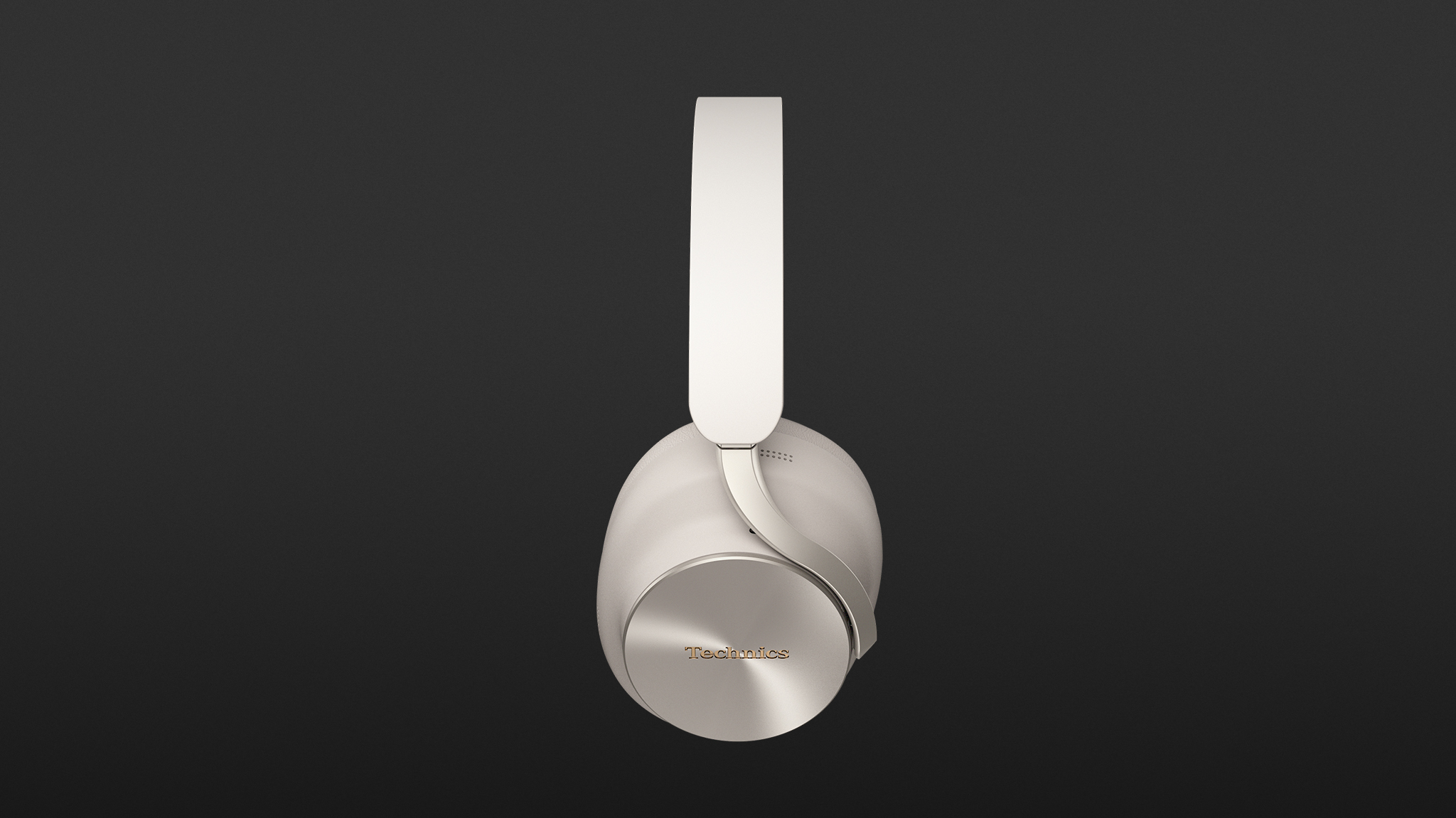
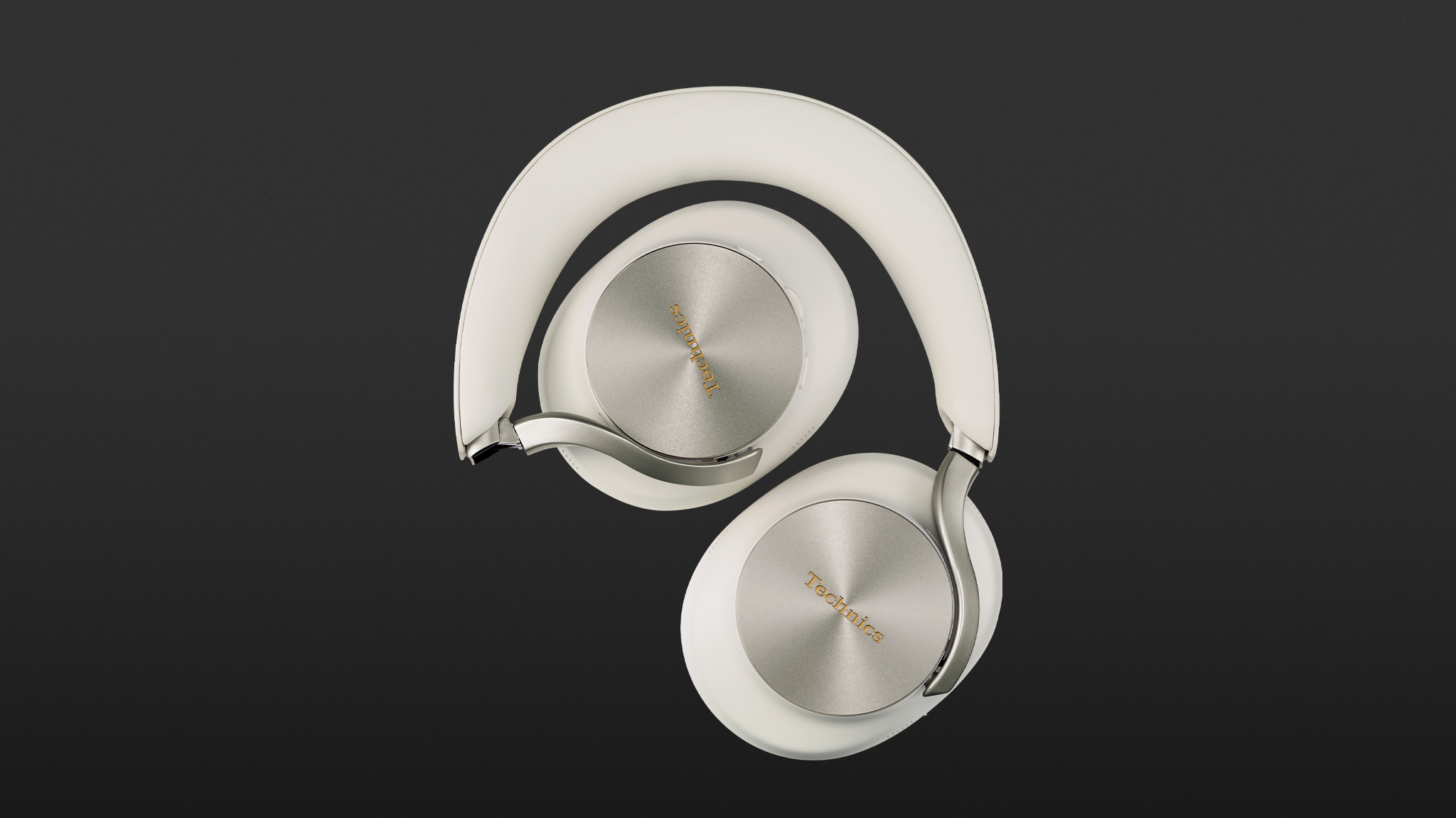
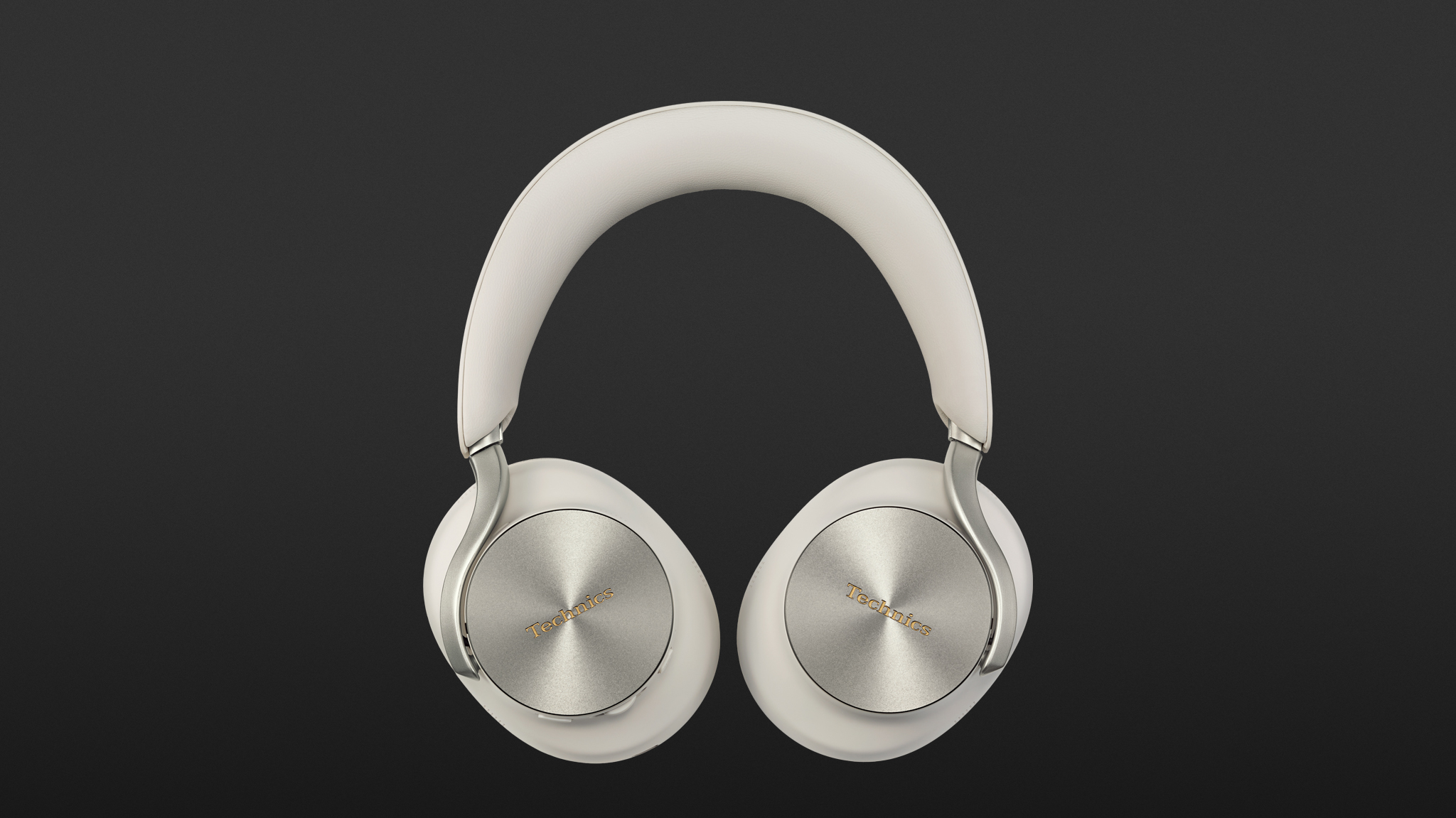
Table of Contents
- Build Quality, Scope of Delivery and Wearing Comfort
- Controls With and Without the Technics Audio Connect App
- Bluetooth, Multipoint and Wired Use
- Sound: Tuning, Resolution and Dynamics
- ANC, Passive Isolation and Transparency
- Calls and Video Conferences
- Dolby Atmos, Head Tracking and Auracast
- Battery and Charging
- Comparison and Buying Advice
- Conclusion
- FAQ: Frequently Asked Questions About the Technics EAH-A1000
- Technical Specifications
You are currently viewing a placeholder content from YouTube. To access the actual content, click the button below. Please note that doing so will share data with third-party providers.
The Technics EAH-A1000 over-ear, introduced this fall, borrows a technical refinement from its in-ear sibling, the EAH-AZ100, which has topped our in-ear ranking since we published our review: a magnetic fluid system between voice coil and magnet is meant to damp unwanted vibrations and thereby prevent distortion.
Unless you are deep into audio engineering, such things always sound like marketing speak. We are curious how this high-priced €449 headphone performs and whether the wide range of features Technics headphones are known for pays off on the A1000 as well.
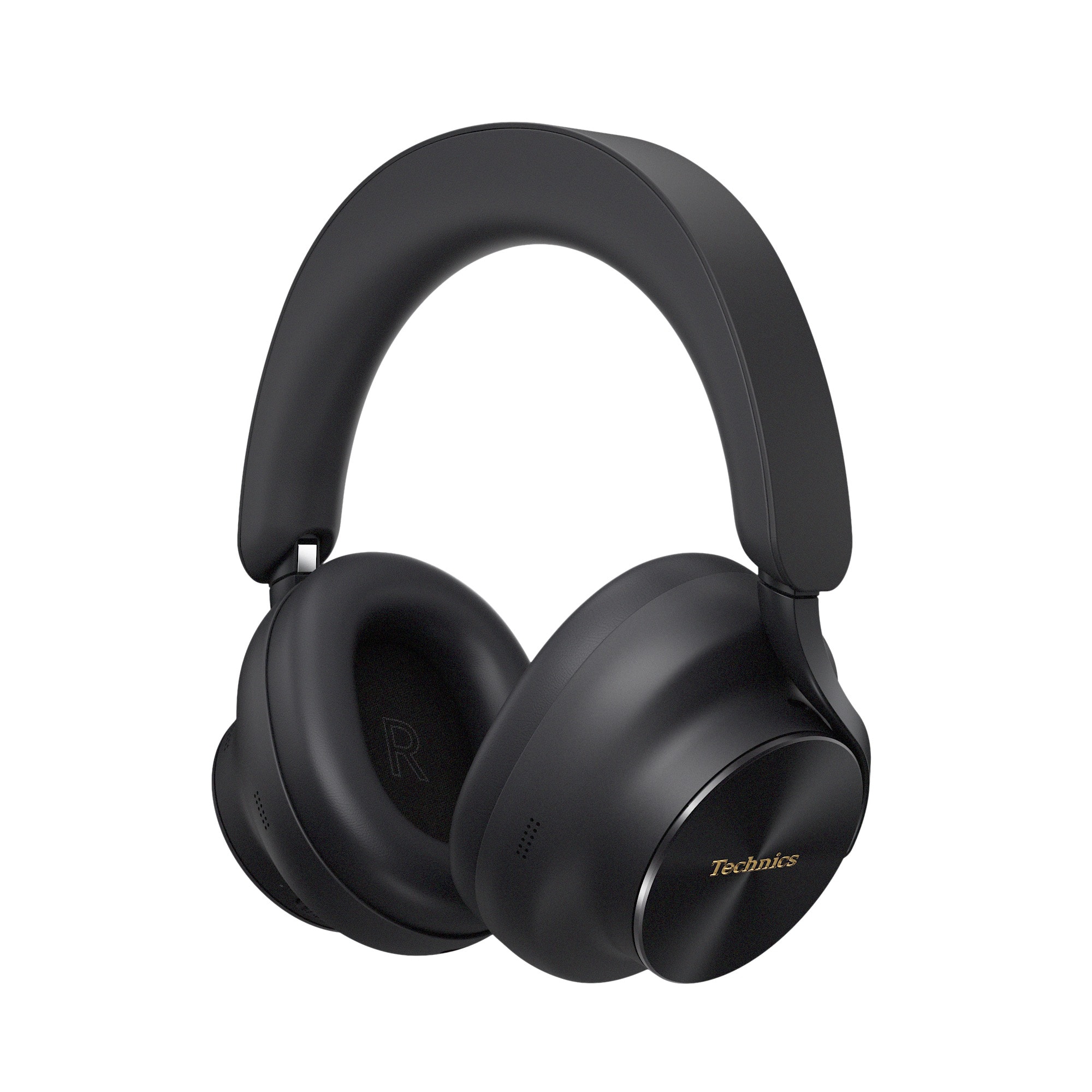
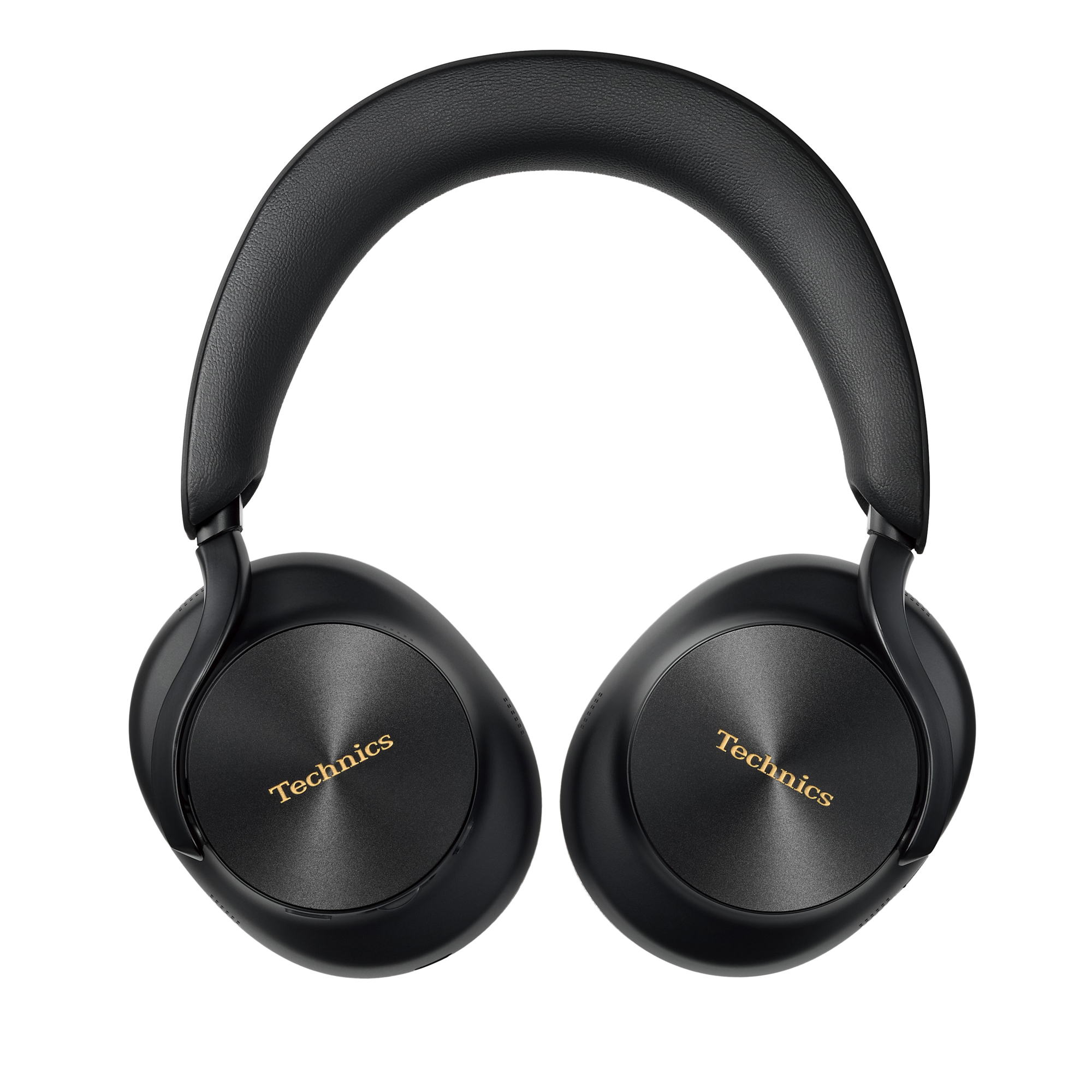
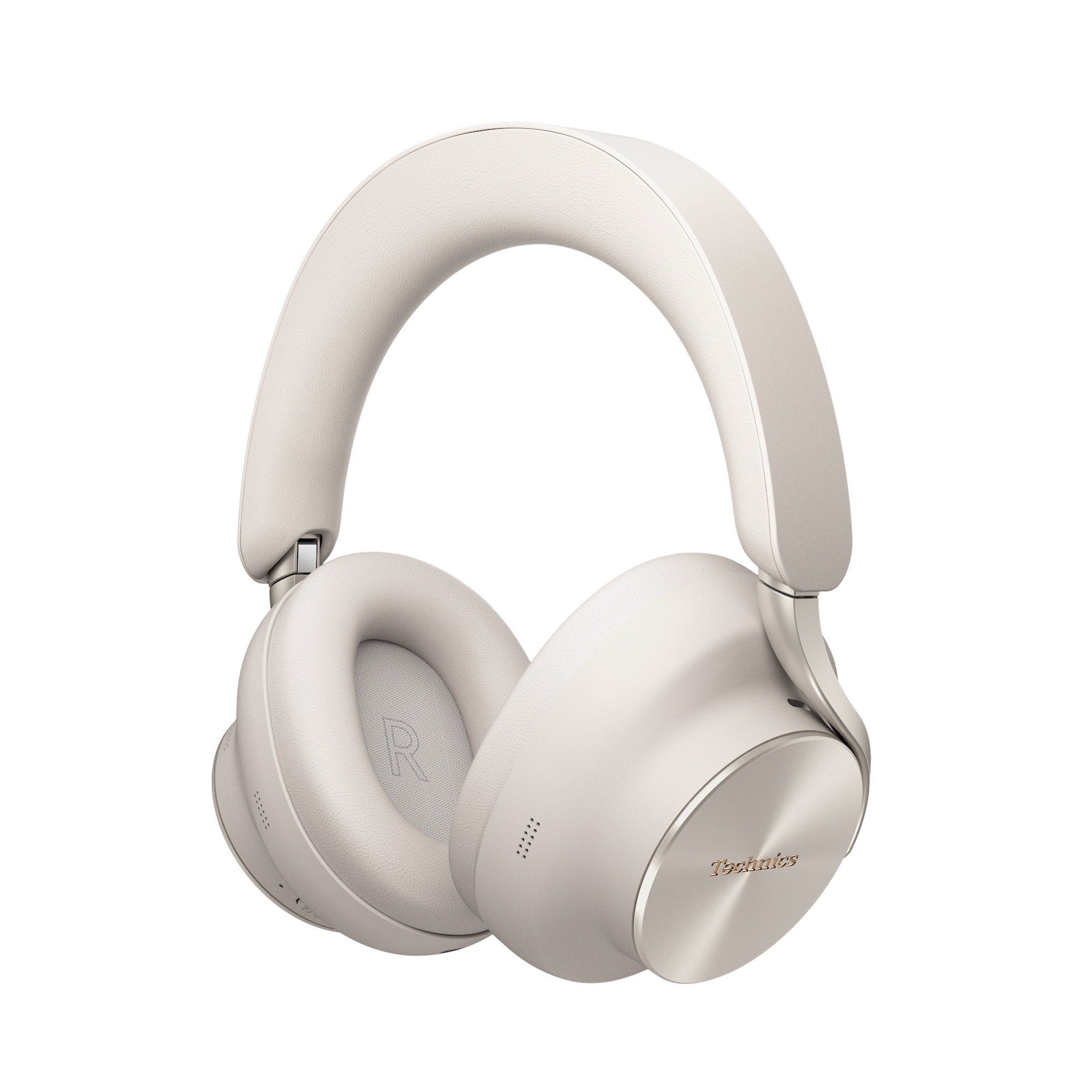
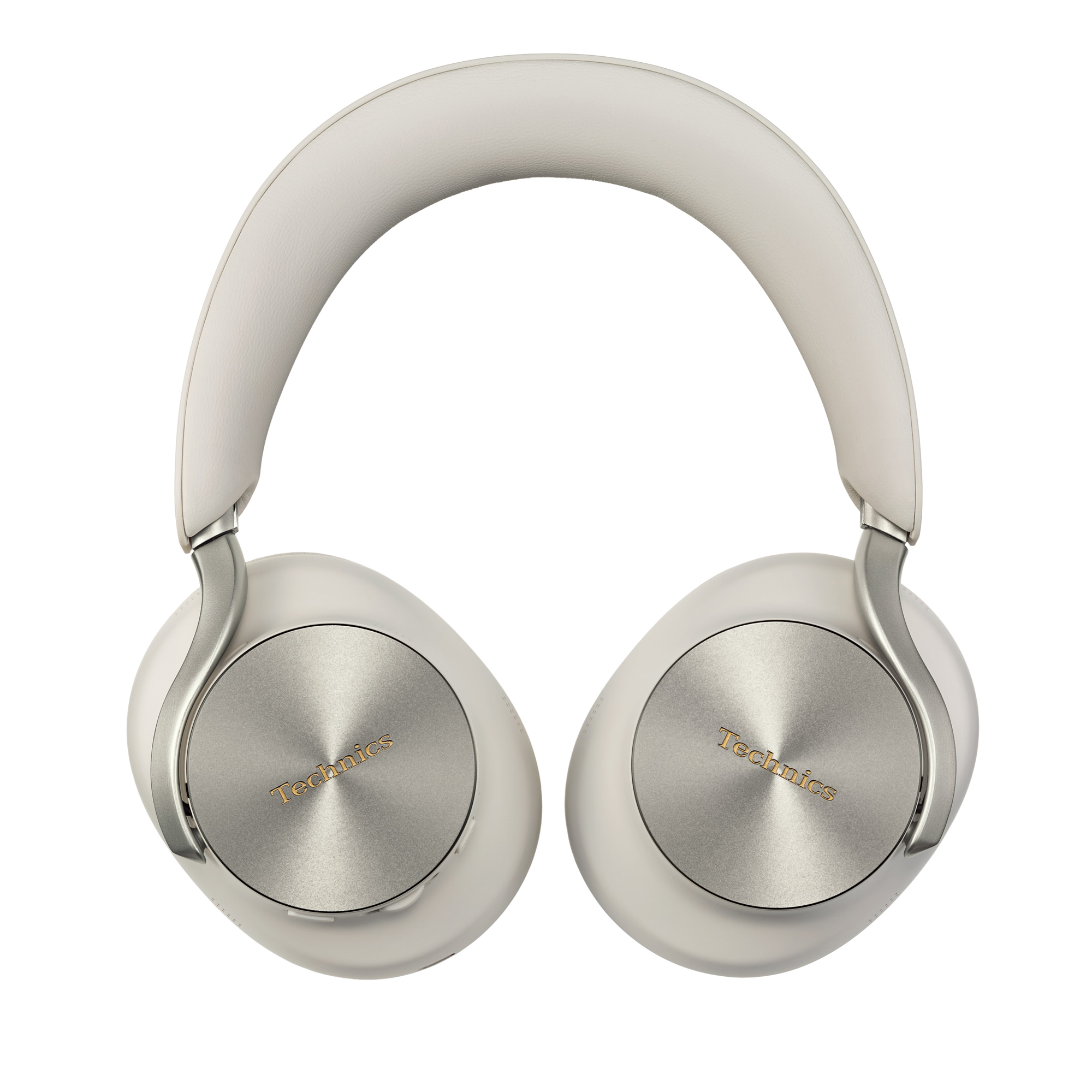
Pictures: Technics
Build Quality, Scope of Delivery and Wearing Comfort
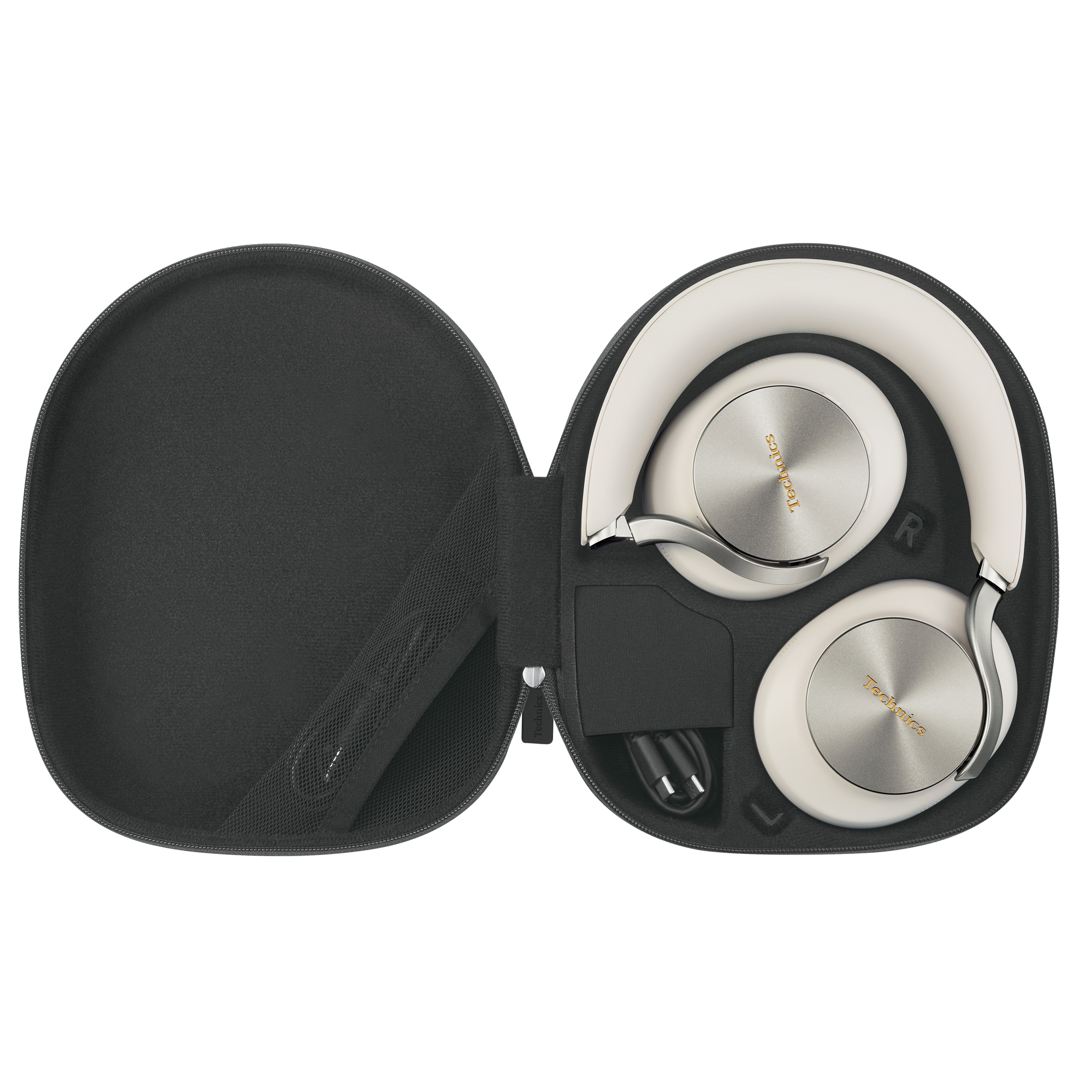
The bottom line: The EAH-A1000 combines brushed aluminum with plastic and feels premium. At 306 grams with memory-foam pads, it stays comfortable for hours; the earcups fold away compactly, while battery and ear pads can only be swapped with tools.
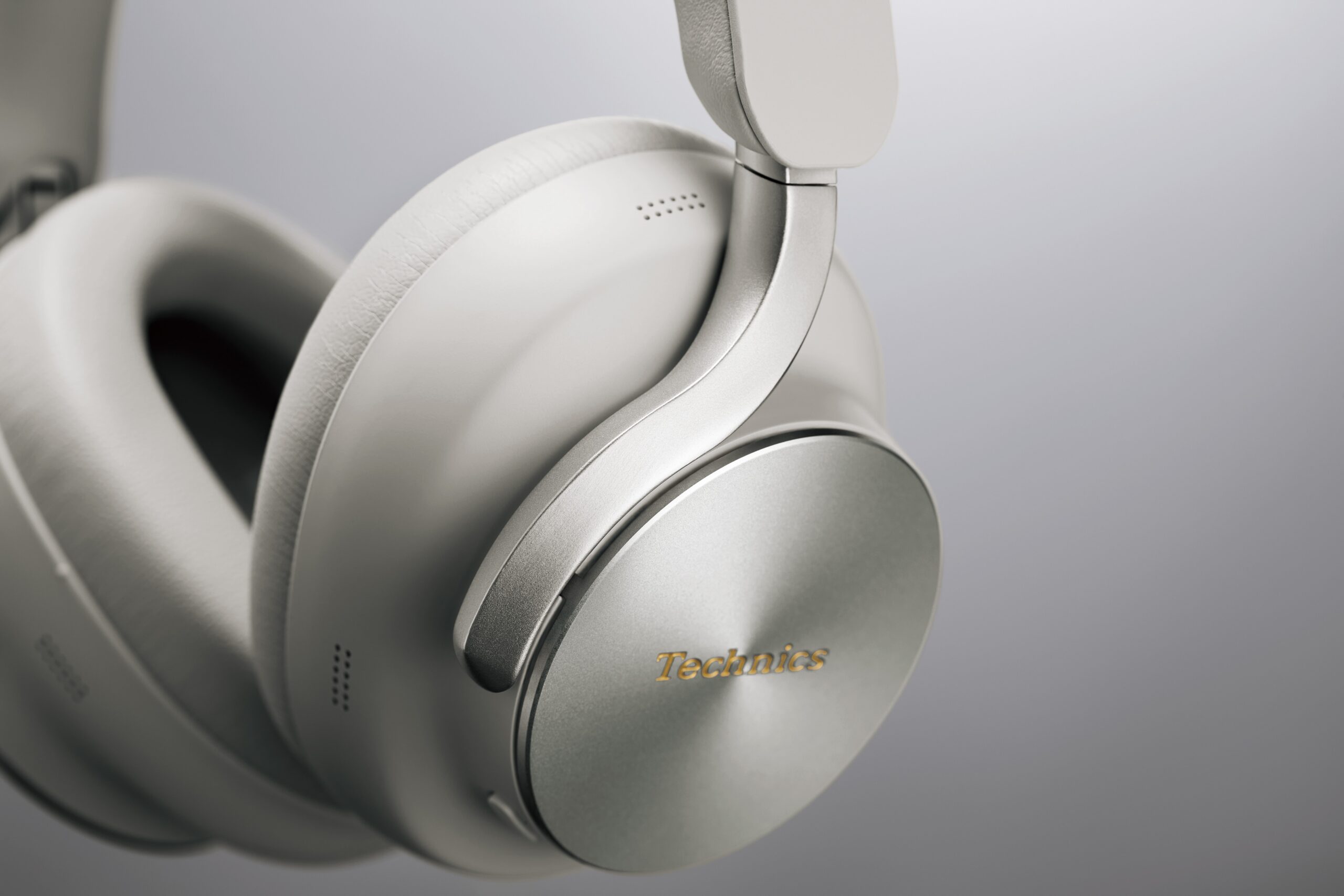
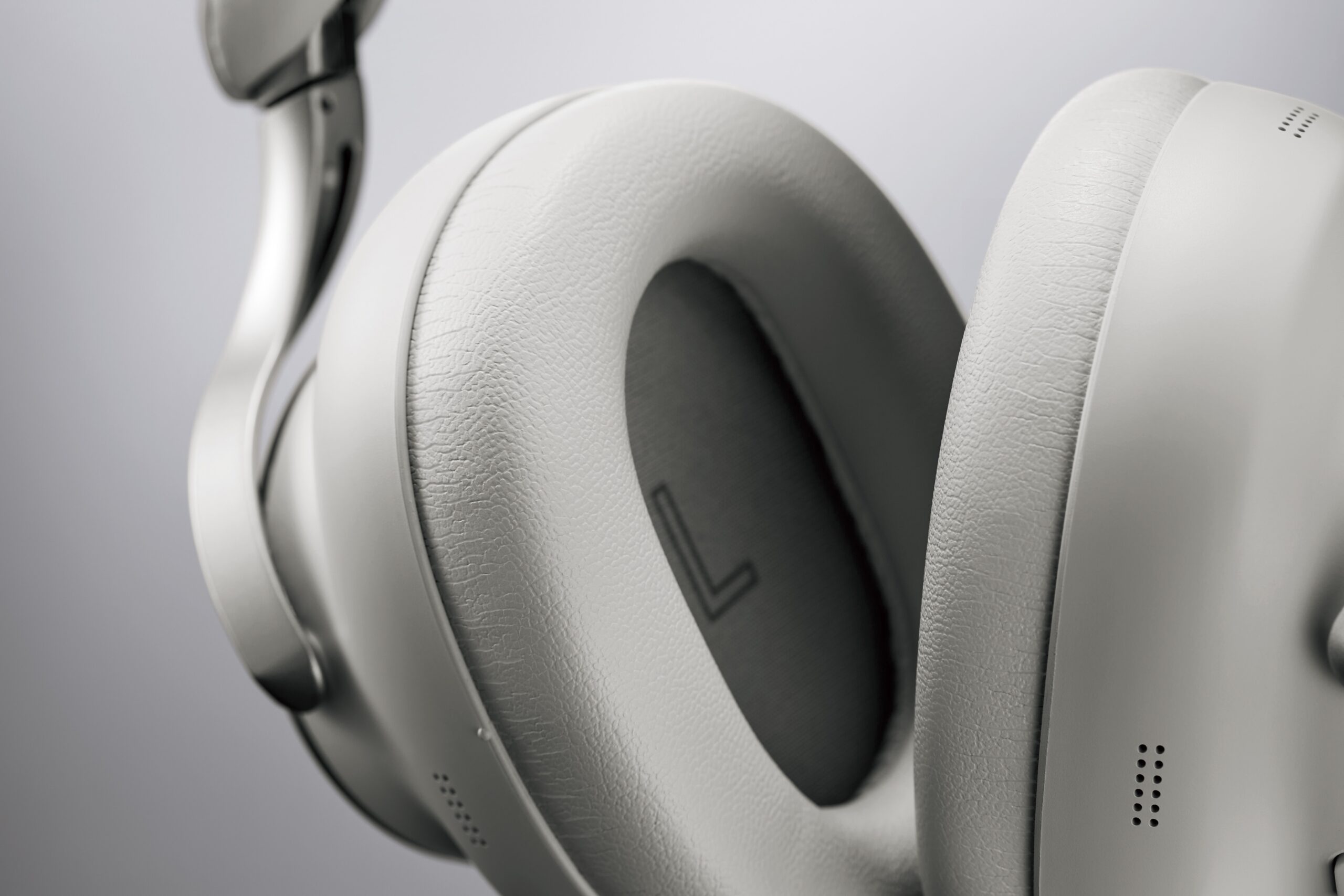
The brushed aluminum typical of Technics is once again part of the premium-feeling material mix on the EAH-A1000. The earcups swivel by up to about 60 degrees and allow a very compact pack size. The ear pads apparently cannot be replaced without further effort. Thanks to memory foam, wearing comfort is very high: during longer listening sessions as well as on walks, the headphone never felt intrusive. I noticed no excessive heat build-up. Pressure was nicely distributed, and at 306 grams the A1000 is among the lighter headphones of its kind.
The bodies of both earcups are made of plastic; the covers are probably aluminum. Behind a delicate foam fabric with a subtly applied left/right marking, you can feel a sturdy grille that protects the driver. The ear cavity does not feel cramped, at least not on my ears. Glasses temples or beanies are no problem with the A1000 either and affect neither the sound nor the noise cancelling.
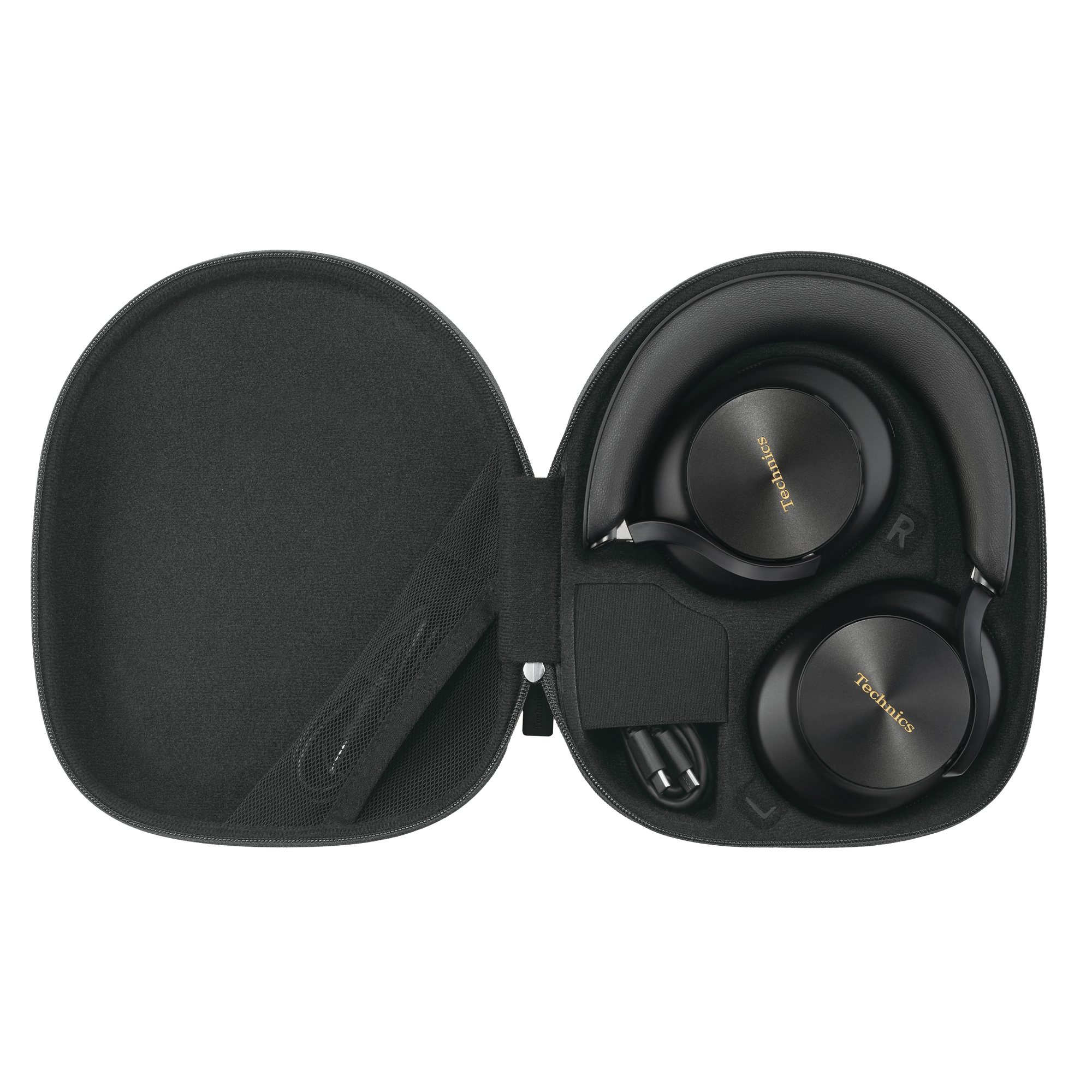
Two cables come with the EAH-A1000: a 120 cm USB-C-to-USB-C cable for charging and as a USB audio connection, and an equally long 3.5 mm jack-to-USB-C cable for connecting analog sources to the Technics A1000.
According to the detailed multilingual manual, the battery in the left earcup can be replaced. However, if I understand the manual correctly, it takes a fair amount of skill and the right tools. With these, swapping the ear pads should work as well.
Compact, robust, premium, comfortable to wear: on the outside, the A1000 is a well-executed piece of technology.
Controls With and Without the Technics Audio Connect App
The bottom line: The Technics Audio Connect app is clean, well structured and very well documented; the large ring control for ANC and ambient mode works especially well. Nearly everything on the headphone works one-handed, only the slider takes getting used to.
Even in our review of the small in-ear sibling EAH-AZ100, the Audio Connect app stood out positively. No-frills, clearly structured and very well documented, the Technics app also handles control of the EAH-A1000. Both the initial setup and everyday use are made largely easy for the user, not least because Technics does not overload the A1000 with features. The adjustment of ambient-mode transparency and the level of noise suppression via a large circular control is solved brilliantly.
Pictures: Technics
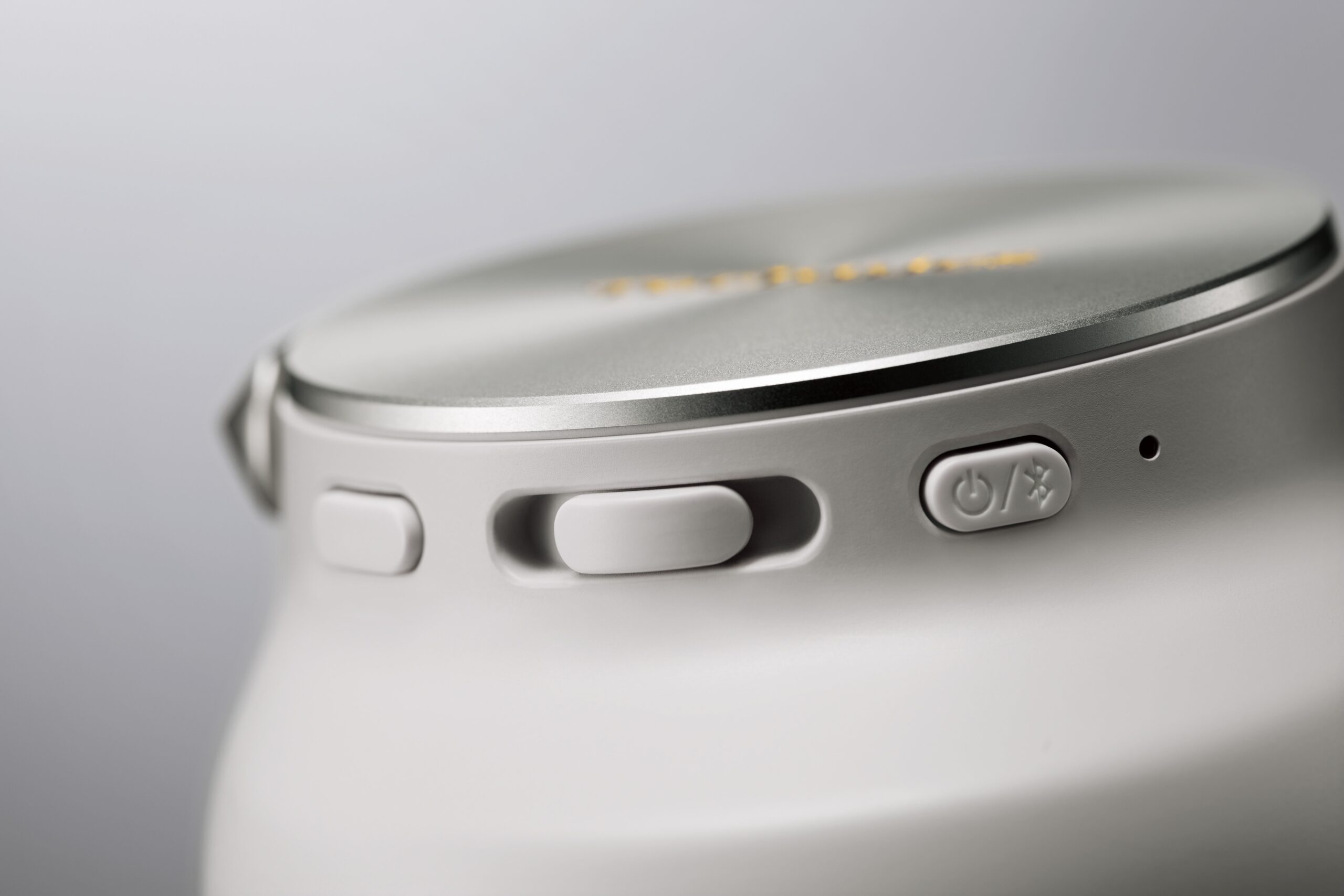
On the headphone itself, too, almost every operation can be done one-handed via the two round buttons and a combined slide-and-press control. At first the slider seemed a little too wobbly to me; over the good two weeks of testing, though, after a short learning phase I mastered the standard operations such as pause/stop, answering calls and switching ambient mode on or off with routine.
The manual is available in every conceivable language and, as far as I can tell, cleanly published, and it can be read both in the app and, more conveniently, as an online manual in a browser on a computer or tablet.
Pictures: Technics
Bluetooth, Multipoint and Wired Use
The bottom line: Pairing works even without the app, and in multipoint mode three devices run smoothly side by side: iPhone, iPad and MacBook. Over USB-C the signal stays lossless; over the analog cable ANC and ambient mode keep working.
A first Bluetooth connection can be made without the app on any Bluetooth device. If you want to pair another device or set up a multipoint connection, the Audio Connect app can help, but it also works without it. In the extreme case, a list of ten Bluetooth devices will appear. In multipoint operation, a maximum of three players is possible. In the test, these were an iPhone, an iPad and a MacBook.
Here I can report that my daily to-dos ran smoothly. Writing, editing and sharing media on the computer; if a call comes in via the iPad, it takes over the audio communication. And when my iPhone rings, the stream from the computer mutes automatically and is paused.
Connected via USB cable, the Technics EAH-A1000 can play audio losslessly and also transmit the headphone’s microphone signals.
Analog signals are fed in via the 3.5 mm jack/USB connection. Bluetooth is deactivated per se in this case, so phone functions, playback control and voice assistants do not work, while noise cancelling and ambient mode do.
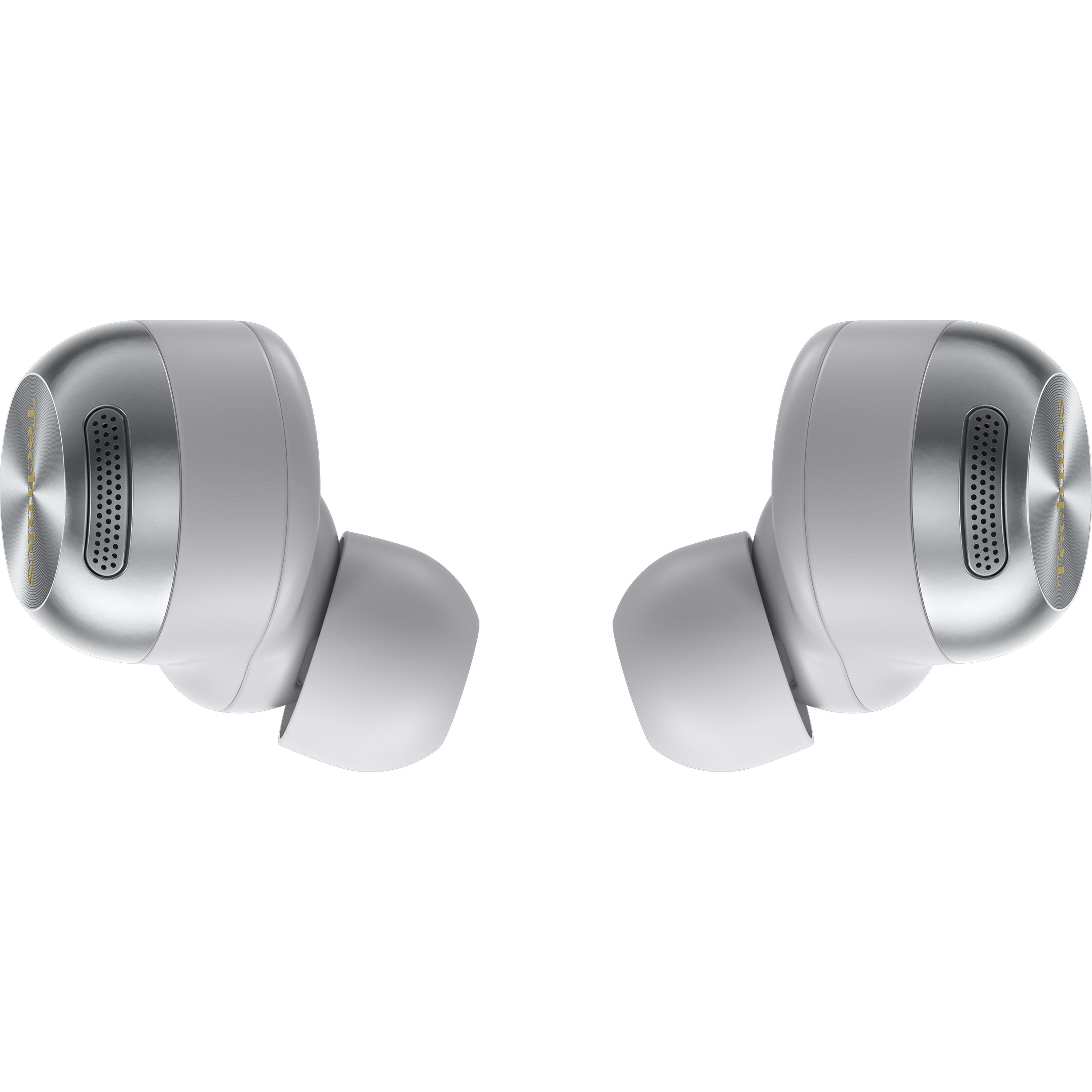
Technics EAH-AZ100 review
The in-ear sibling with the same magnetic fluid system tops our ranking in its category.
Sound: Tuning, Resolution and Dynamics
The bottom line: The sound is balanced and neutral: bass is restrained but precise, mids and highs stay detailed and fatigue-free. The EQ adds punch when needed, and spatial audio shines mostly with Dolby Atmos productions.
The sound of the Technics EAH-A1000 reinforces the very positive impression the headphone left over a good two weeks together. In everyday use it is not only music that is supposed to impress, but also a lot of speech. Good ANC and a transparency mode are part of that too. The sound should not change when ANC is switched on or off, and the ambient sound must not distort the useful signal either. In all these disciplines, the Technics EAH-A1000 performs superbly.
The basic sound is less spectacular than, for example, that of the Bowers & Wilkins PX7 S3 and rather balanced/neutral. The EAH-A1000 is restrained in the bass, stays very precise and defined, but can take on plenty of punch when you use the EQ with Technics’ on-board tools. Mids and highs are likewise tuned for accuracy and enable a detailed sound picture for fatigue-free listening. The integrated EQ is very convincing: it stores up to three custom settings and can even be shared with a second A1000 user.
With the “Spatial Audio” function, the Technics EAH-A1000 focuses on the immersive elements of an audio stream, which noticeably enhances the enjoyment of music, especially on tracks produced for Dolby Atmos formats. On Apple Music there is a Dolby Atmos test compilation of electronic music, where the A1000 performs supremely when it comes to localization.
Stereo signals such as “Soul Mine Live” by the Average White Band are also great fun on the Technics A1000. The club character with the typical reflections of a live mix is finely reproduced by the A1000. The snare impulses and the entry of the horn section also found their spatial response exactly where a listener expects them.
And anyone who enjoys listening to small noises can revel with the A1000 in Ólafur Arnalds’ piano piece “re:member”, where the felt piano conjures an acoustically minimalist firework from the heart of a piano. Every tug on the leather of the mechanism, the “plop” of the hammer head on the felt-damped string and the slight creak of the pedal mechanism are captured in felt-piano recordings and reproduced just as faithfully by the Technics EAH-A1000.
ANC, Passive Isolation and Transparency
The bottom line: Adaptive noise cancelling turns office chatter into a murmur, keeps wind and traffic noise firmly at bay and can be dosed in the app. Transparency mode reproduces the surroundings authentically and with clean localization.
Thanks to its tightly fitting ear pads, the Technics EAH-A1000 already offers quite good passive isolation. If noise cancelling and transparency mode are of high quality, you will choose between the two options, that is, keep noise cancelling on permanently; this definitely applies to the Technics A1000.
The adaptive noise cancelling adjusts automatically to ambient noise; if auto-optimization is switched off, you set the level of reduction via the virtual ring in the app. Animated office chatter was dampened to a still audible murmur with noise cancelling fully turned up, with only the low frequencies shining through, which allowed concentrated work. Quieter conversations in the background fell completely silent.
Ambient mode also works to my fullest satisfaction, and here too two options are available. “Transparent” passes the surroundings through unchanged, and I can indeed confirm an authentic reproduction of the environment. Optionally, the “Attention” mode can be activated in the app. Here the music pauses and voices are emphasized.
Outdoors, wind noise was not much of an issue. The ANC damped the wind noise generated at the headphone’s outer microphones so far down that it was not perceived as disturbing. The A1000 confidently fended off traffic events such as squealing trams, construction noise and car horns, and in transparency mode every faint sound could be perceived with clean localization on a walk in the woods.
Calls and Video Conferences
Phone calls were transmitted in good, intelligible quality for both parties. The A1000 also handled video conferences without complaint. The good voice quality showed up in video calls via Google Meet and Apple FaceTime as well. In the test, care was taken to activate the headphone’s microphone signal.
Dolby Atmos, Head Tracking and Auracast
The bottom line: Anyone who wants Auracast prioritizes LE Audio and gives up multipoint with several devices, spatial audio, Dolby Atmos with head tracking and the voice assistant. Classic Audio mode stays more flexible: three multipoint connections and LDAC are possible there.
The Technics EAH-A1000 basically offers two Bluetooth modes, and you should decide on one first: LE Audio or Classic Audio. Anyone who wants to use Auracast applications has to prioritize LE Audio in the settings. Multipoint is then limited to one device, and spatial audio, or Dolby Atmos including head tracking, and the voice assistant are deactivated. Using the Sennheiser BTD 700 dongle, I set up an Auracast environment, and the Technics A1000 recognized it immediately and was able to connect to the signal.
In Classic Audio mode you stay more flexible, as up to three multipoint connections can be established here. The LDAC codec can also be activated here, again with restrictions. If no LDAC-capable player or smartphone is used, the Technics EAH-A1000 receives in the SBC or AAC codec.
The Technics EAH-A1000 plays Dolby Atmos content brilliantly once spatial audio has been activated. The headphone also translates head tracking in sync with head movements.
Battery and Charging
The bottom line: Technics quotes up to 45 hours with ANC, and subjectively the battery carried through a working day even in the cold. The quick charge (15 minutes for about four hours) and the full charge in 3.5 hours seem realistic.
The manual lists a whole litany of charging and running times. The 3.7 V lithium-polymer battery can hold 45 hours of energy with ANC switched on and the AAC or SBC codec, probably at room temperature and room volume under lab conditions. Since reality usually deviates from measurements and averages, this is only my subjective impression; we did not measure it because of the extra effort involved.
After several longer walks at just above zero degrees Celsius, the battery still had enough energy to get through a working day. After a 15-minute quick charge with a 500 mA power adapter, the EAH-A1000 provides, according to the specifications, energy for about 4 hours. A full charge is said to take 3.5 hours: values that seem realistic to me based on my experience of the last two weeks with the Technics EAH-A1000.
Comparison and Buying Advice
The Technics EAH-A1000 plays in the top league of over-ear headphones and impresses in every respect. Perhaps it is the best all-rounder.
In sound it may not beat the Bowers & Wilkins PX7 S3, and in terms of TV headphones it is a match for the Sonos Ace Ultra. The Apple AirPods Max, with their inimitable advantages in the Apple ecosystem, do not need to be imitated either, and when it comes to hi-res codecs the Sennheiser Momentum 5 may win. The noise cancelling of the Sony WH-1000XM6 may also be better, but the Technics supports Auracast and is thus equipped for a technology that may be widespread in a year or two.
Conclusion
The Technics EAH-A1000 is an all-round successful over-ear headphone, even for demanding everyday tasks. Very good sound, outstanding noise cancelling, long battery life, a robust and compact build, good wearing properties and a price that fully matches the performance face only a few points of criticism. What role the magnetic fluid system between voice coil and magnet mentioned at the start plays remains, in my view, almost secondary given the positive overall picture. Like its in-ear counterpart EAH-AZ100, the EAH-A1000 has what it takes to become a favorite headphone.
FAQ: Frequently Asked Questions About the Technics EAH-A1000
How much does the Technics EAH-A1000 cost?
The Technics EAH-A1000 costs €449. That puts it among the high-priced over-ears, but it delivers top-league sound, noise cancelling and features in return.
How long does the battery of the Technics EAH-A1000 last?
Technics quotes up to 45 hours of battery life with ANC on and the AAC or SBC codec. A full charge is said to take 3.5 hours, and a 15-minute quick charge should be good for about four hours according to the specification. We did not measure these values, but in everyday use the battery carried through a working day even in the cold.
How good is the noise cancelling of the Technics EAH-A1000?
The adaptive noise cancelling of the EAH-A1000 is one of its strengths in our test. Office conversations are dampened to a murmur, quieter conversations fall silent, and wind noise, trams or construction noise hardly disturb. Transparency mode reproduces the surroundings authentically.
How many devices can be connected to the Technics EAH-A1000 via multipoint?
In Classic Audio mode, up to three devices are possible at the same time. In our test, an iPhone, an iPad and a MacBook ran smoothly. If LE Audio is prioritized for Auracast, multipoint is limited to one device.
Can the Technics EAH-A1000 also be used with a cable?
Yes, the EAH-A1000 can be used via USB-C and via an analog cable. Over USB-C, audio is played back losslessly and the microphone signal is transmitted. With the included 3.5 mm jack-to-USB-C cable, ANC and ambient mode work in analog use, but Bluetooth is deactivated, so phone functions, playback control and voice assistants are unavailable.
Does the Technics EAH-A1000 support Auracast and Dolby Atmos?
Yes, both, but not at the same time. For Auracast, LE Audio has to be prioritized; spatial audio or Dolby Atmos including head tracking, the voice assistant and multipoint with several devices are then deactivated. In Classic Audio mode, Dolby Atmos with head tracking is available.
Technical Specifications
| Design | Over-ear, wireless (Bluetooth), optionally wired |
| Drivers | 40 mm, Magnetic Fluid (magnetic fluid system between voice coil and magnet) |
| Frequency response | no manufacturer specification |
| Impedance | no manufacturer specification |
| Bluetooth version | no manufacturer specification |
| Bluetooth modes | LE Audio (with Auracast) and Classic Audio |
| Codecs | SBC, AAC, LDAC (no aptX) |
| Multipoint | Up to three devices (in Classic Audio mode) |
| Noise cancelling | Adaptive ANC, ambient mode with “Transparent” and “Attention” |
| Spatial audio | Dolby Atmos with head tracking |
| Connections | USB-C (charging and USB audio), analog via 3.5 mm jack-to-USB-C cable |
| Battery | Lithium-polymer, 3.7 V (capacity: no manufacturer specification) |
| Battery life | Up to 45 hours (ANC on, AAC or SBC codec) |
| Charging time | About 3.5 hours (full); 15-minute quick charge for about 4 hours (500 mA power adapter) |
| Weight | 306 g |
| Dimensions | 206 x 165 x 88 mm (H x W x D) |
| Ingress protection | no manufacturer specification |
| Colors | Greige, black |
| App | Technics Audio Connect |
| In the box | Headphones, USB-C-to-USB-C cable (120 cm), 3.5 mm jack-to-USB-C cable (120 cm); other accessories: no manufacturer specification |
| Price (RRP) | €449 |
Conclusion
Pros / Cons:
Pros:
-
Very good sound
-
High wearing comfort
-
Good battery life
-
Very good manual
-
LE Audio with Auracast
-
LDAC
Cons:
-
No aptX codec
Share Post:


About the author:

From
Editorial Team
Editor
Der Redaktions-Account. Hierüber werden vor allem die News veröffentlicht - je nachdem, wer gerade Dienst hat ...