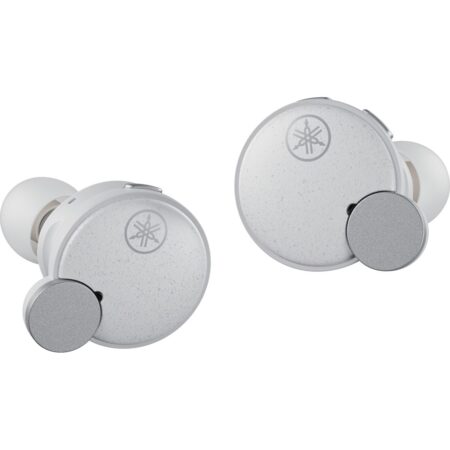
Yamaha TW-E7B
The TW-E7B are the premium product in Yamaha's True Wireless range.
Theoretically, any headphone that has a mini-jack can be used with a smartphone. Theoretically. In real life, there are a few things to keep in mind:
London calling
Anyone listening to music or podcasts on their smartphones will hear incoming calls via a ring tone. If one wanted to accept the conversation, miserable fumbling is necessary, which was already sufficiently documented in various funny movies.
So, the first requirement for a smartphone headset is: you need a microphone and a phone control. In simpler models, this is a button that interrupts the music and accepts the conversation. Better models have that feature set integrated in a controller …
Skip
Pause, back and forth, turn the volume up and down. You do not want to grab your smartphone when you want to skip a track or change its volume, especially when doing sports. So please consider a headphone with a good remote control, offering buttons for music control, but also additional features such as activation of voice assistants like Siri or Alexa.
Universal
One smartphone headset for all your mobile phone models? Many manufacturers offer different versions for different devices! Again, you definitely should pay attention to it. As certain smartphone protocols vary, manufactures sometimes sell the same model but optimized for Apple iOS or Android, i.e. Samsung, Sony, HTC, LG and others.
Impedance
Perhaps the most important thing to keep in mind comes at the end. Smartphones supply their headphone jack output only with relatively little power. This means that a headphone needs to have a low impedance to work properly, typically around 20 to 80 ohms. Here at headphonecheck.com we measure the impedance and you can find this important spec in the sidebar of the respective review. The higher the impedance, the less volume a headphone have!
The TW-E7B are the premium product in Yamaha's True Wireless range.
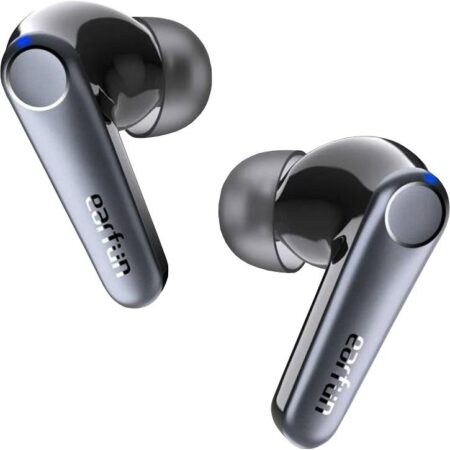
Characteristic for the EarFun Air Pro 3 is a great feature set with an effective noise cancellation as it is usually found in higher-priced models.
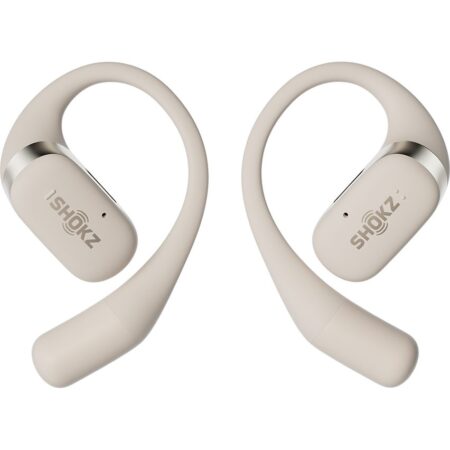
With the OpenFit, Shokz offers an open true-wireless headphone that has its strengths in communication and exemplary wearing comfort.
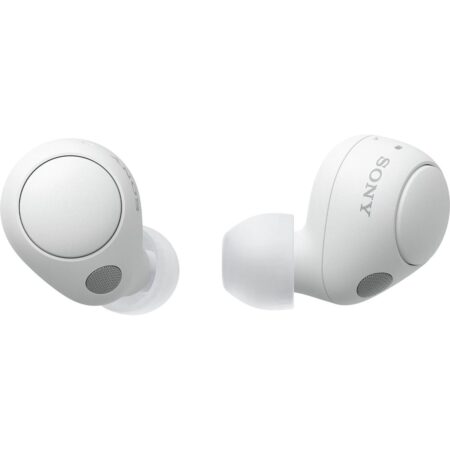
With the WF-C700N, Sony adds an in-ear model with adaptive noise cancelling to their range of affordable True-Wireless headphones.
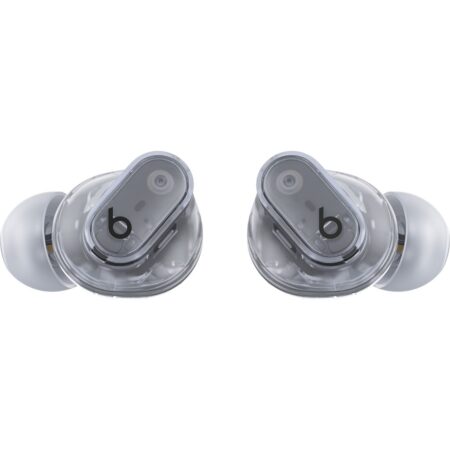
Beats' Studio Buds + are True Wireless in-ears with great sound quality that directly compete with the AirPods Pro 2 from Apple.
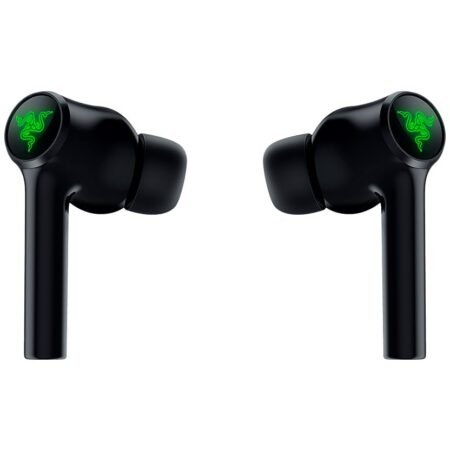
The Razer Hammerhead Pro HyperSpeed want to combine the best of both worlds: latency-free gaming and a low-latency Bluetooth mode.
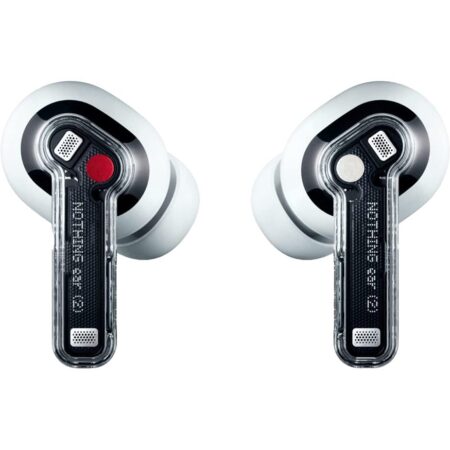
With the Nothing Ear (2), the emerging British company focuses on innovations such as an individual sound profile and personalisable noise cancellation, especially as LHDC 5.0 technology supports high-resolution streaming via Bluetooth.
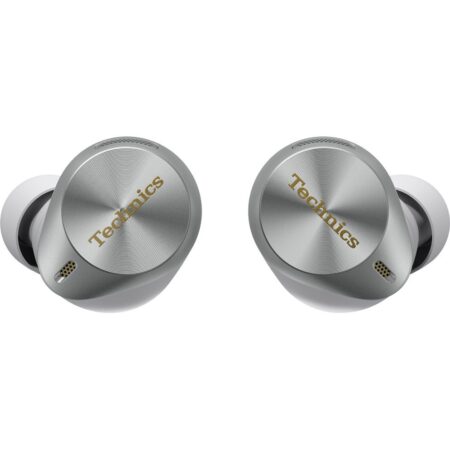
The Technics EAH-AZ80 impressed us with very good sound, efficient noise cancelling (ANC), innovative technology for phone calls (JustMyVoice) and an app that leaves nothing to be desired.
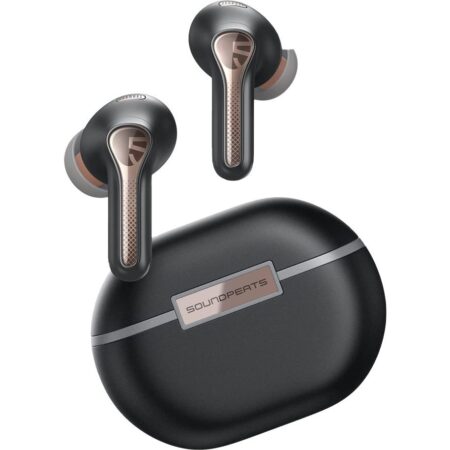
The SoundPEATS Capsule3 Pro cost very little, but deliver a lot with effective ANC, long battery life, High-Res Audio capability and a customisable EQ curve.
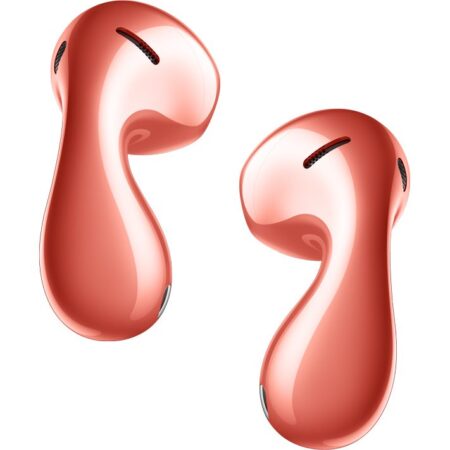
The new Huawei FreeBuds 5 are anything but ordinary: open construction, eye-catching design, plus Hi-Res Audio including LC3, LHDC and LDAC.