
In a nutshell
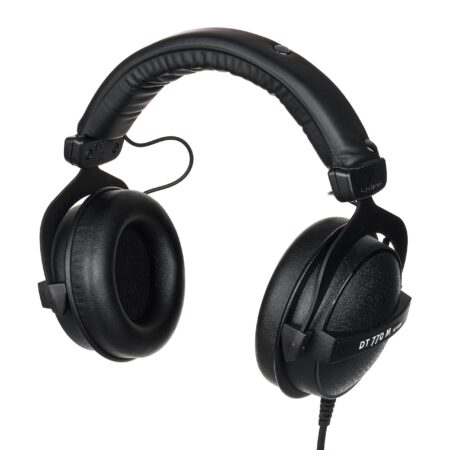
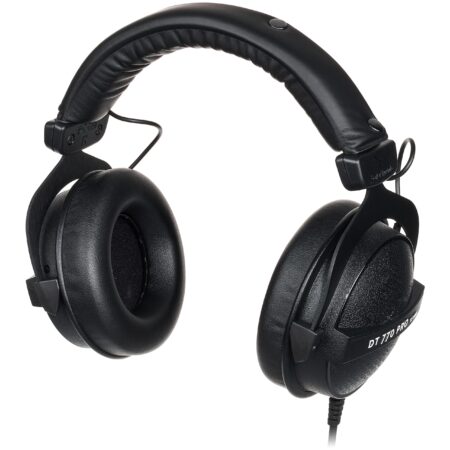
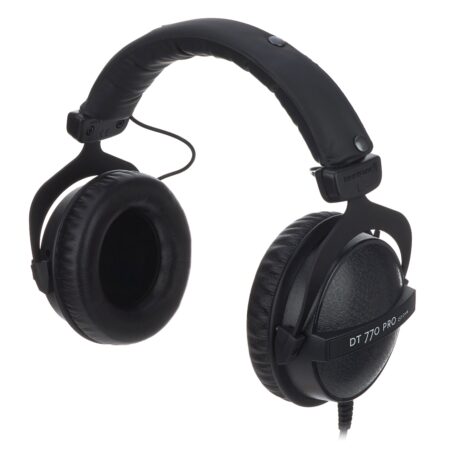
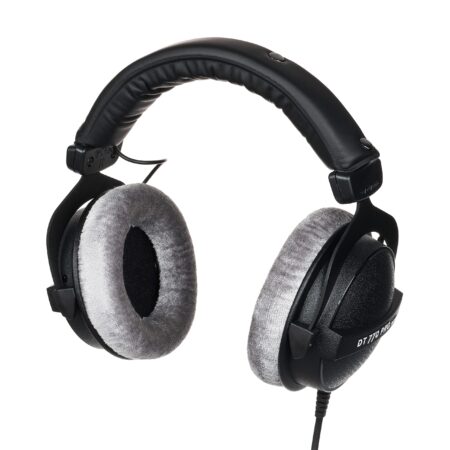
The Beyerdynamic DT 770 Pro family has become indispensable nowadays. Of course, there are more analytical tools available, but they always occupy a top position in their market segments – no matter whether it’s the 250 Ohm version tested here, the 32 Ohm version or the 80 Ohm model. Our recommendation: with 80 Ohm for recording, and 250 Ohm in the mix, you can’t go far wrong with the DT 770 Pro Family!
Affiliate links:
Prices marked with "*" are affiliate links. These advertising links help us finance our site. If you buy something through these links, we receive a small commission, but the price always stays the same for you. Thank you for your support!
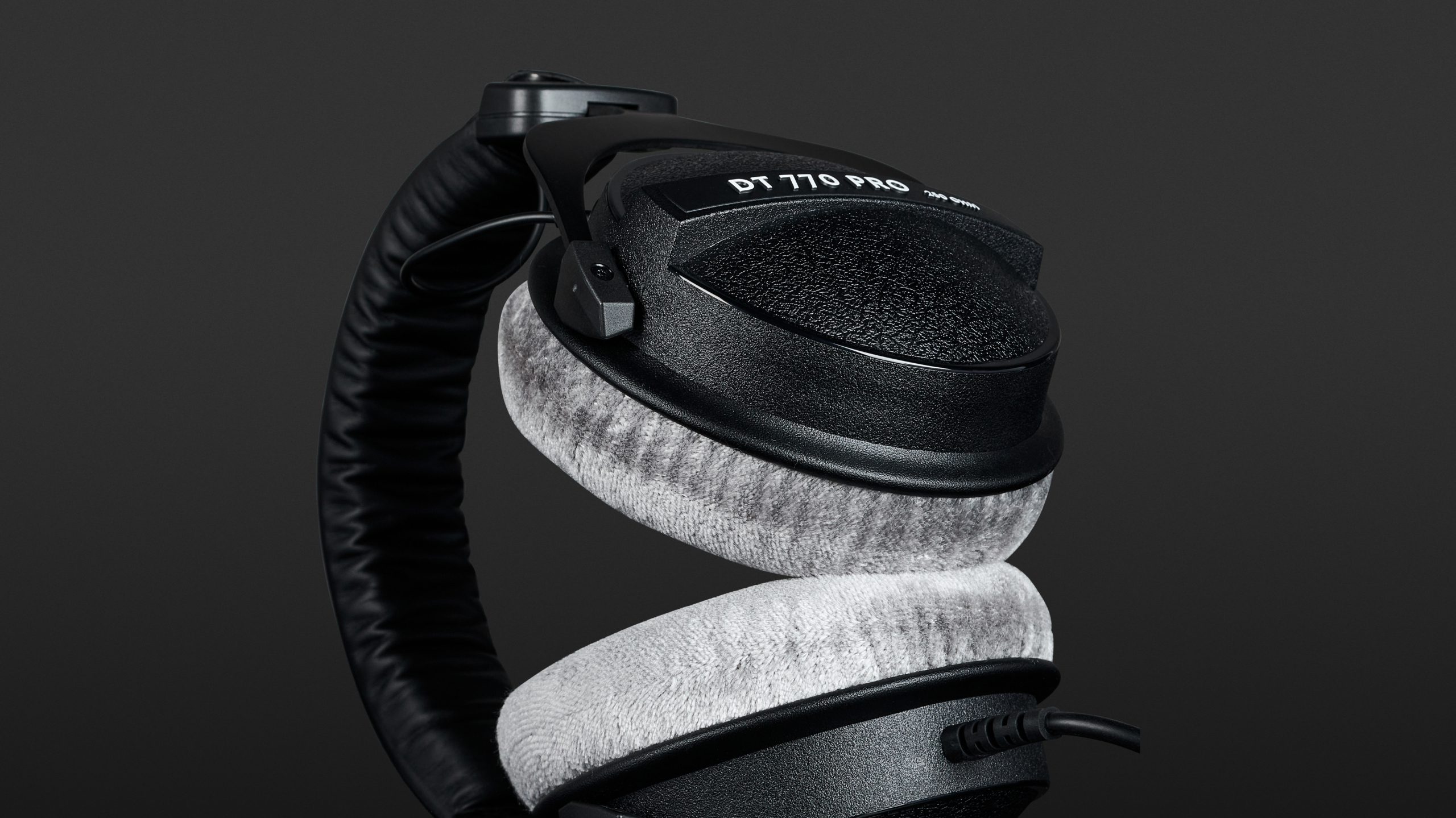
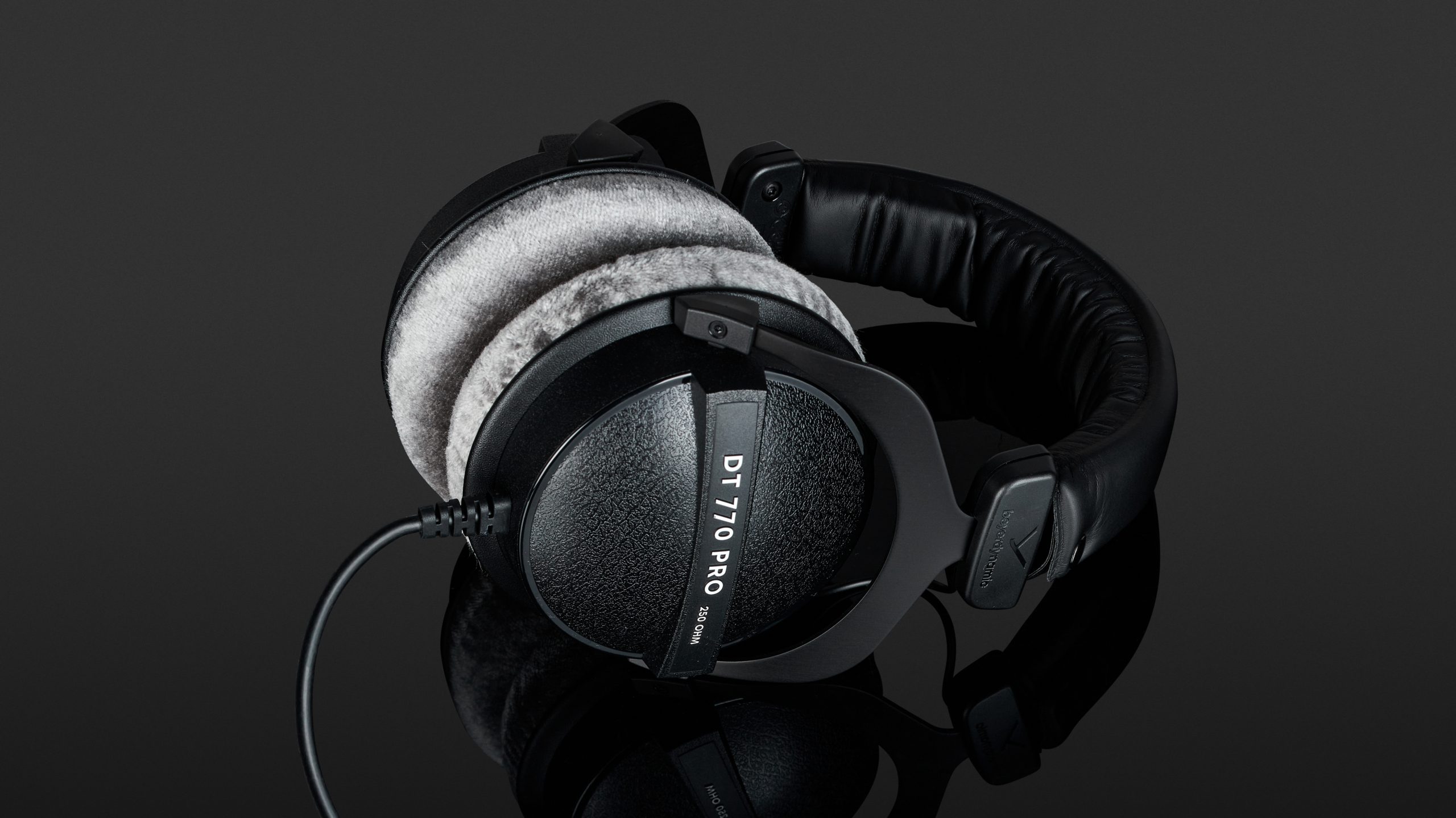
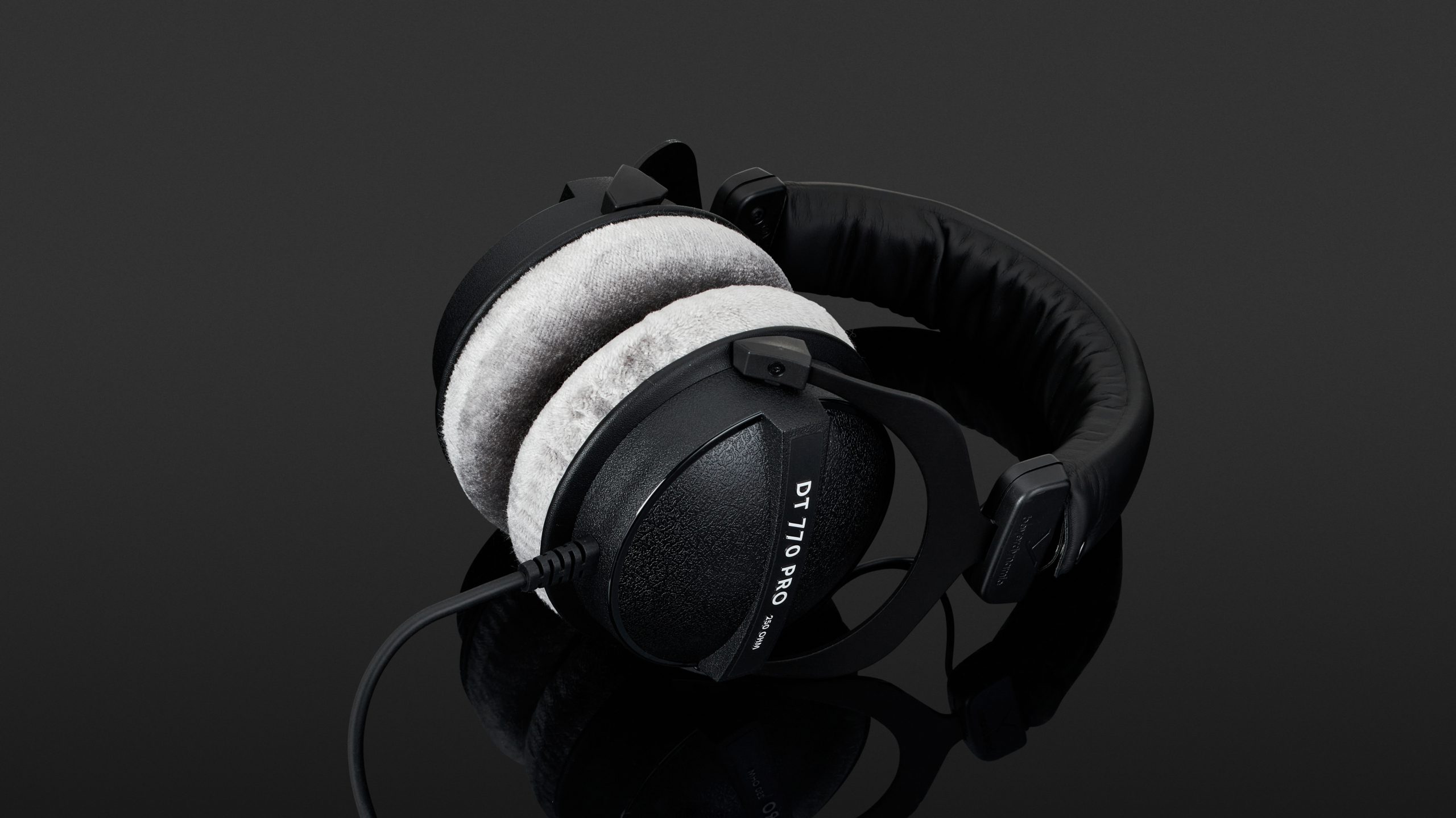
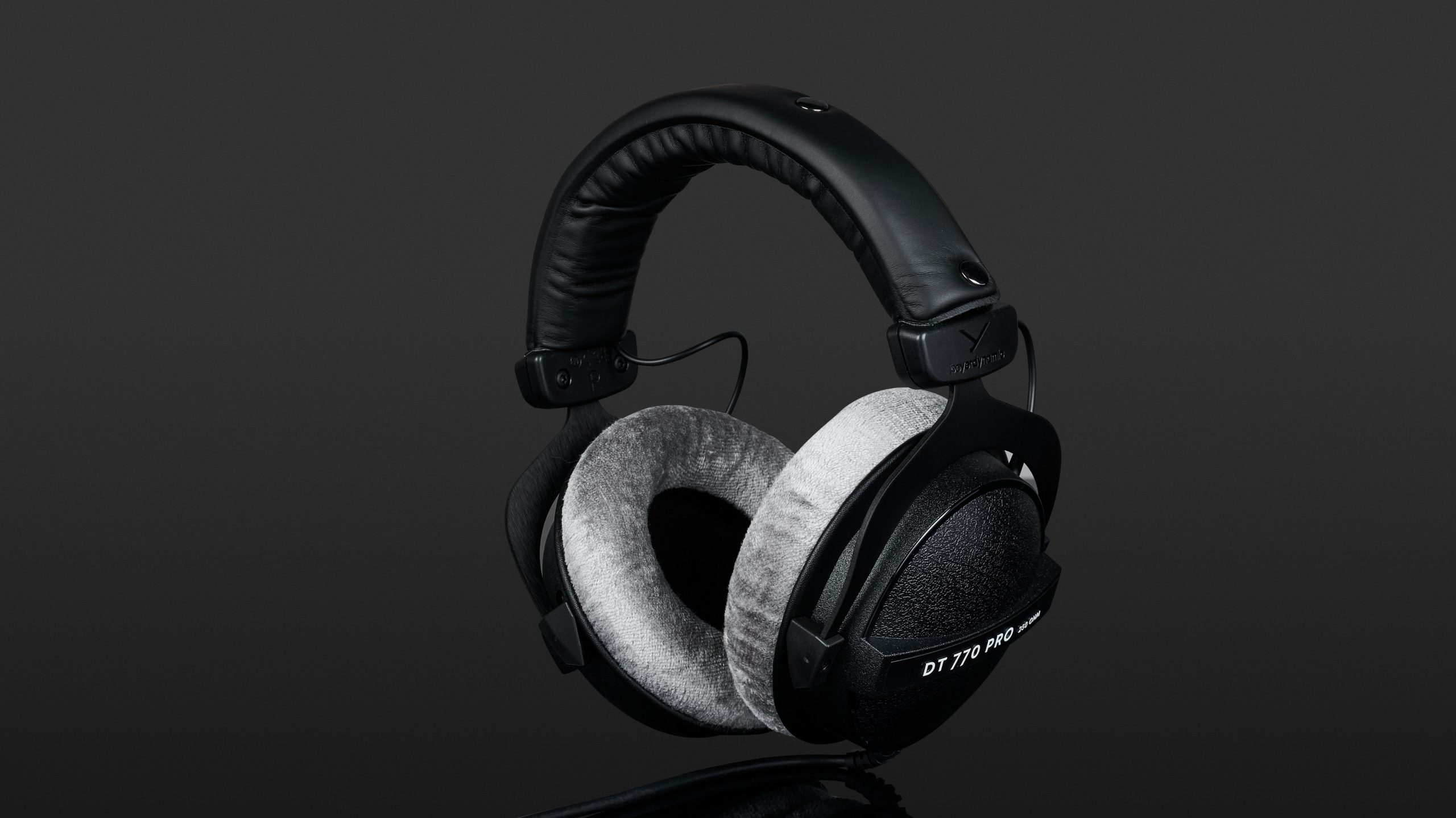
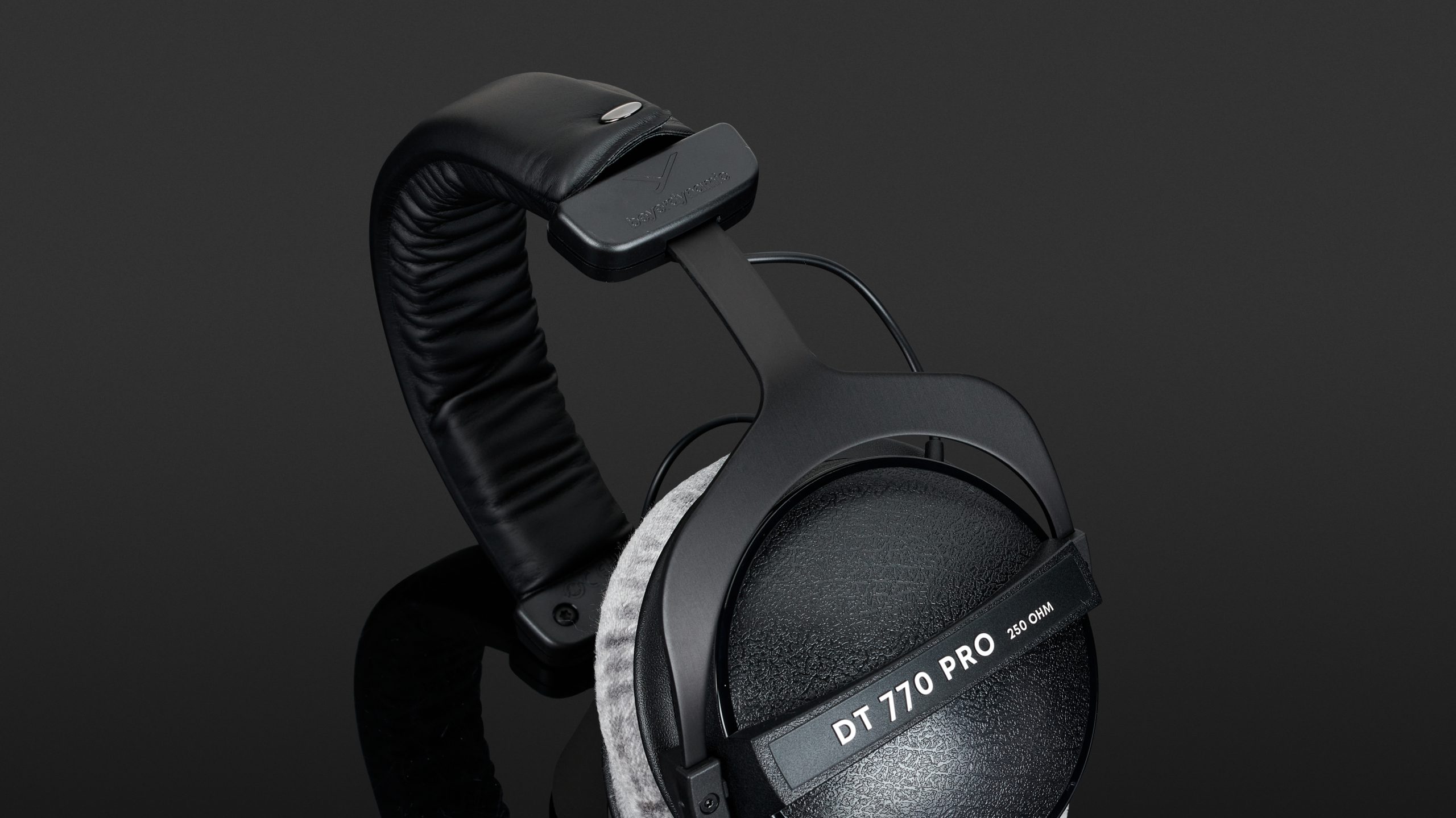
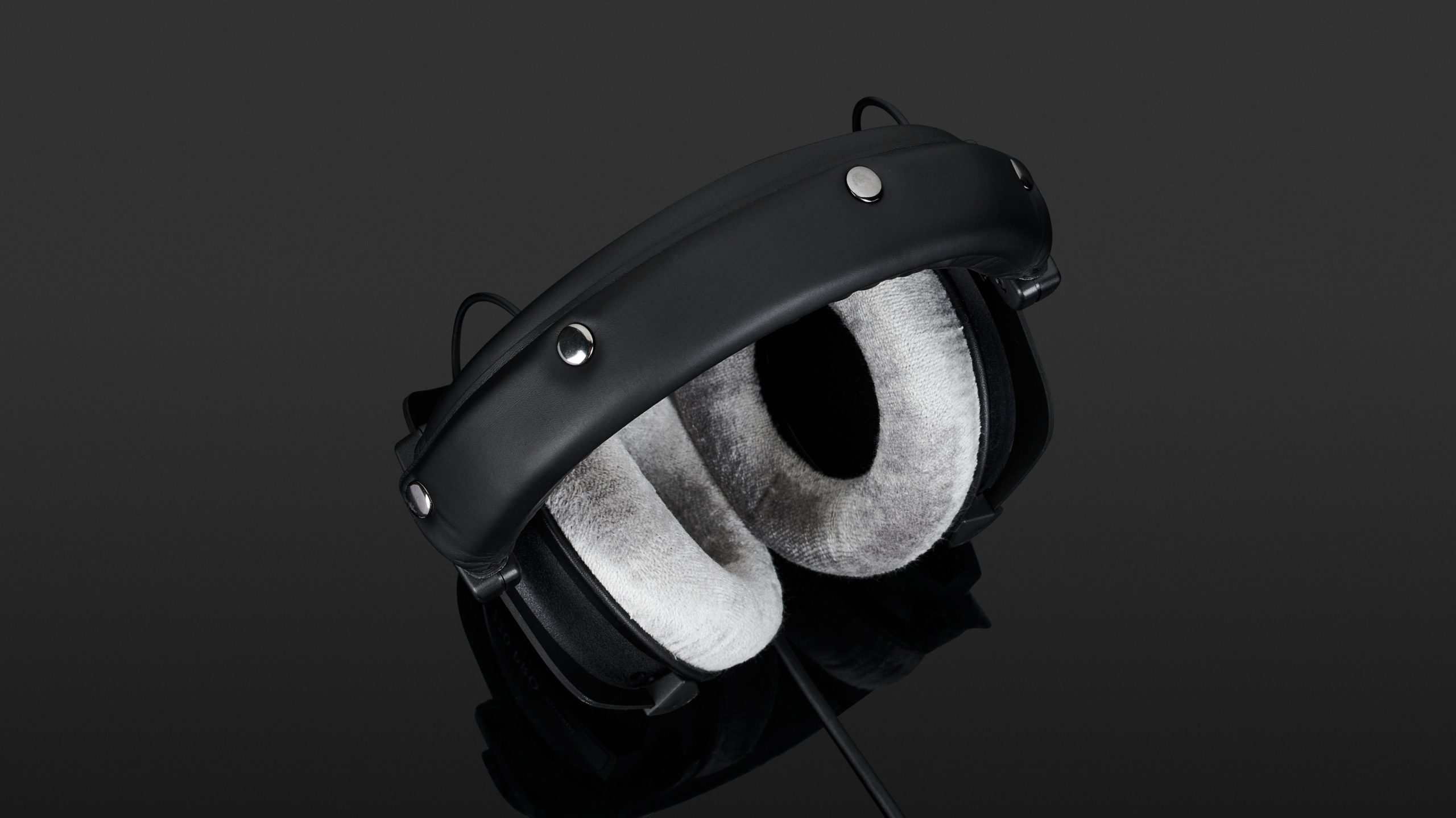
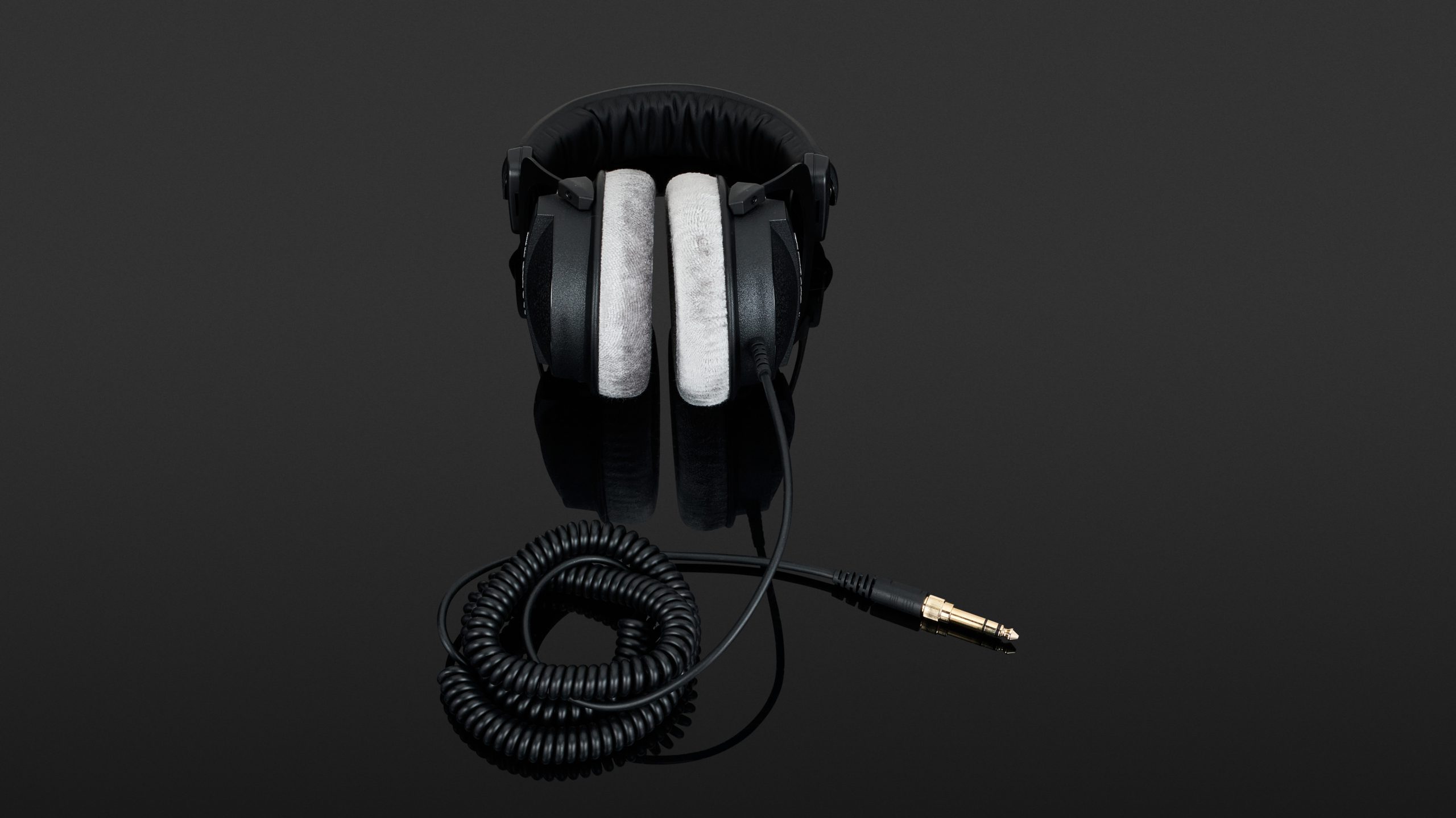
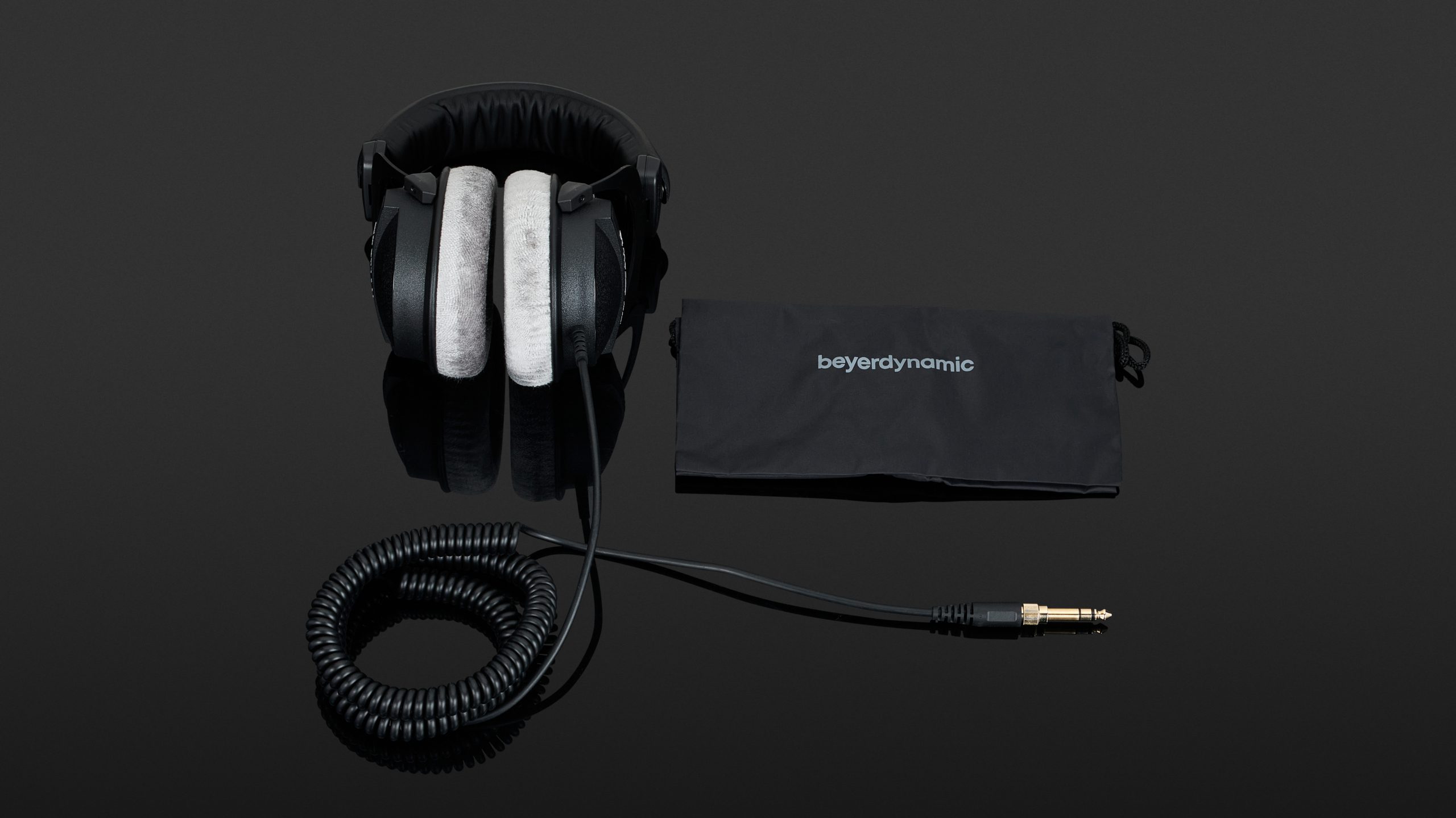
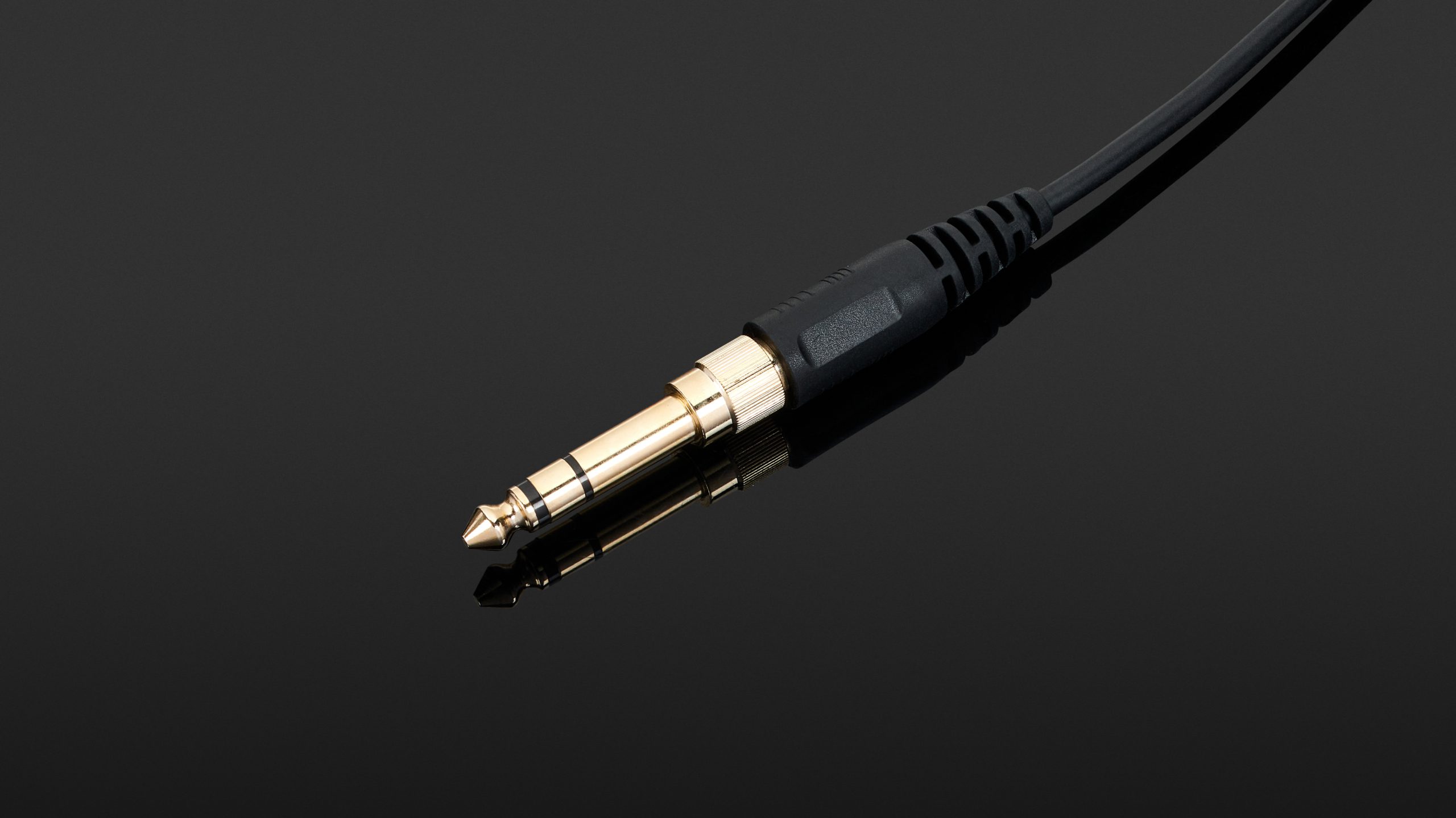
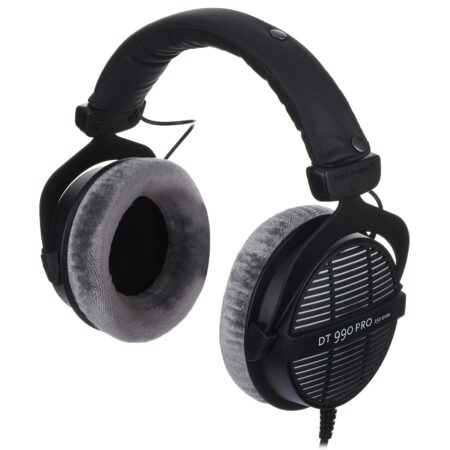
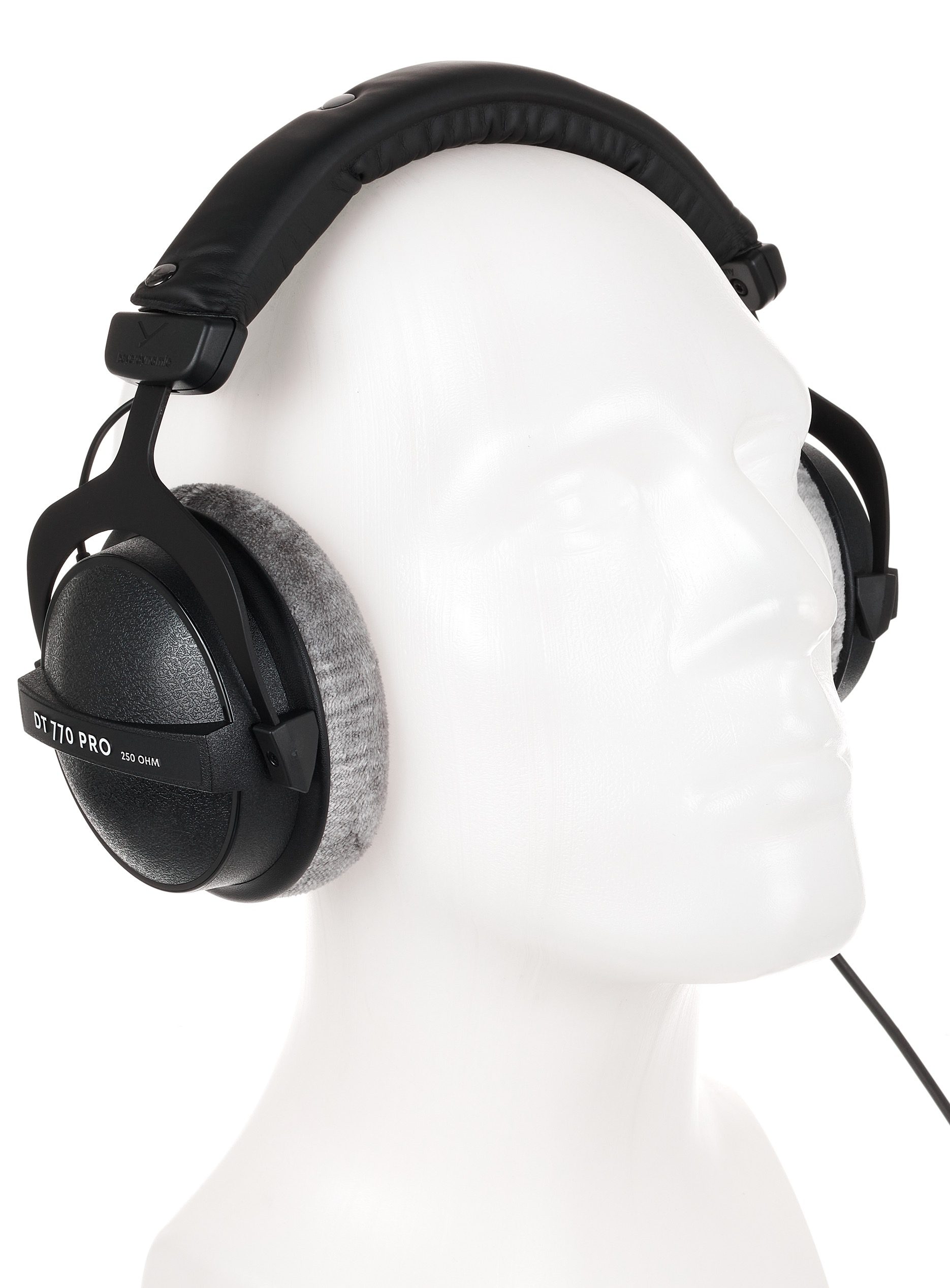
The DT 770 Pro is the DT 990’s little brother. Due to its qualities, you see it quite often in recording studios.
First impression
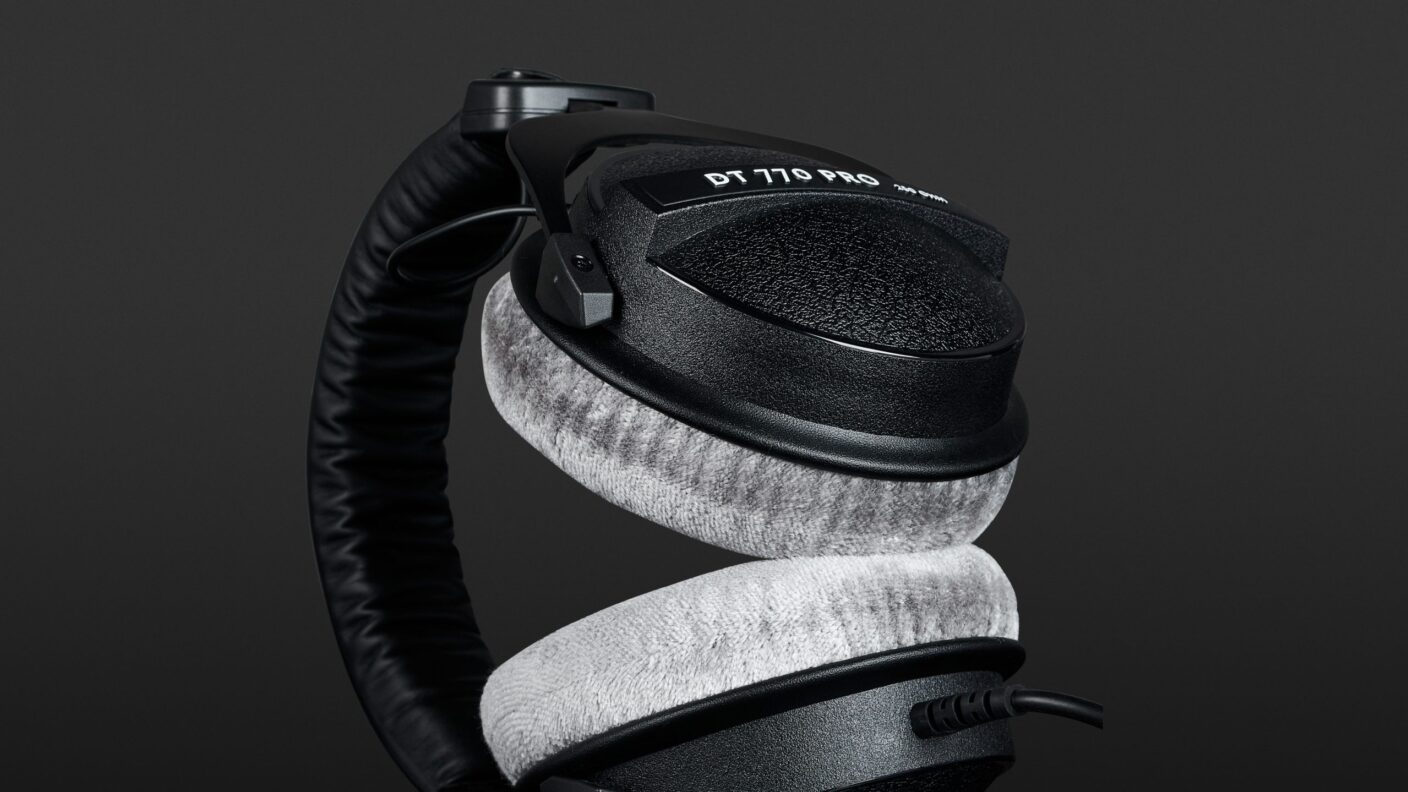
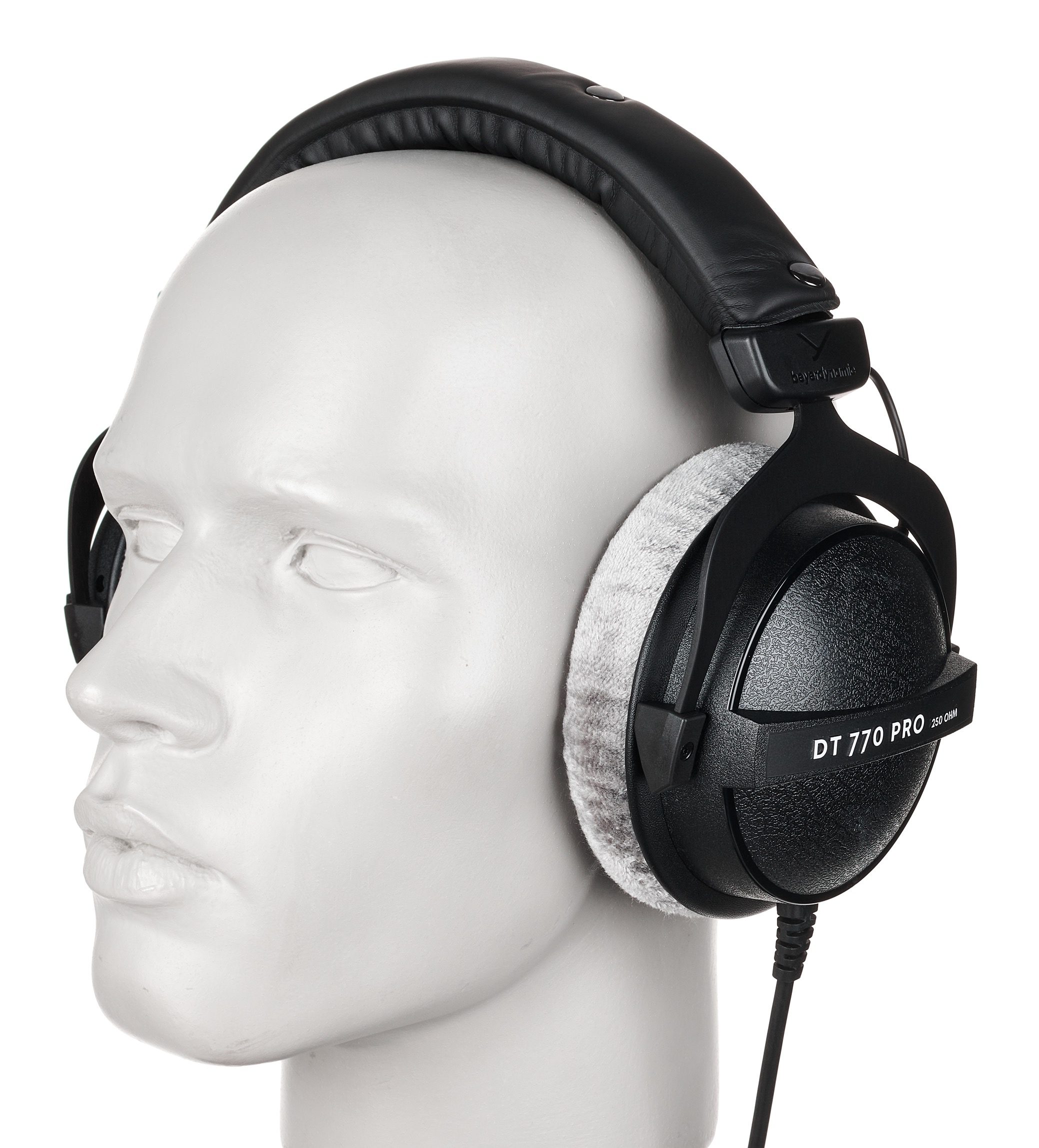
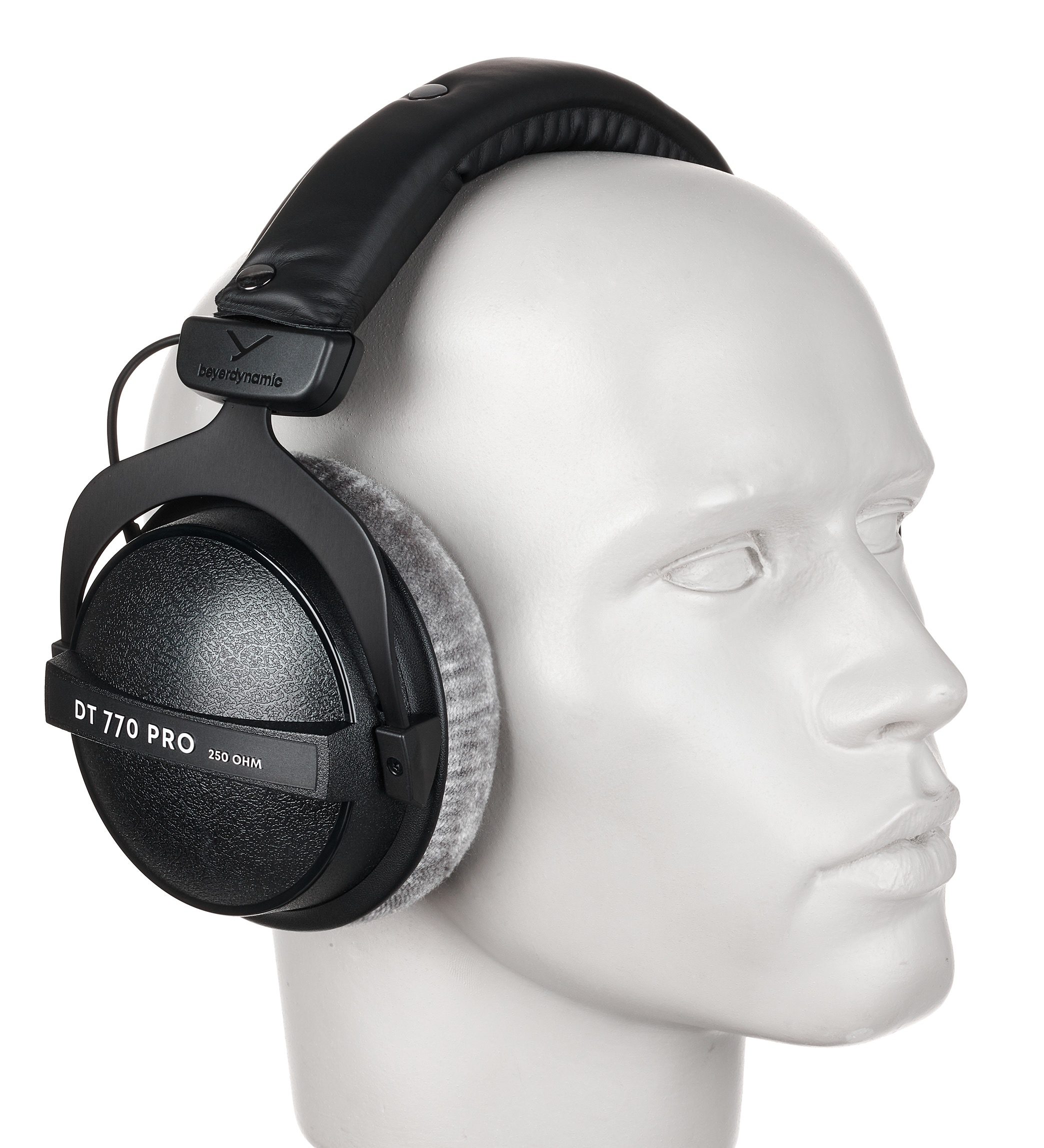
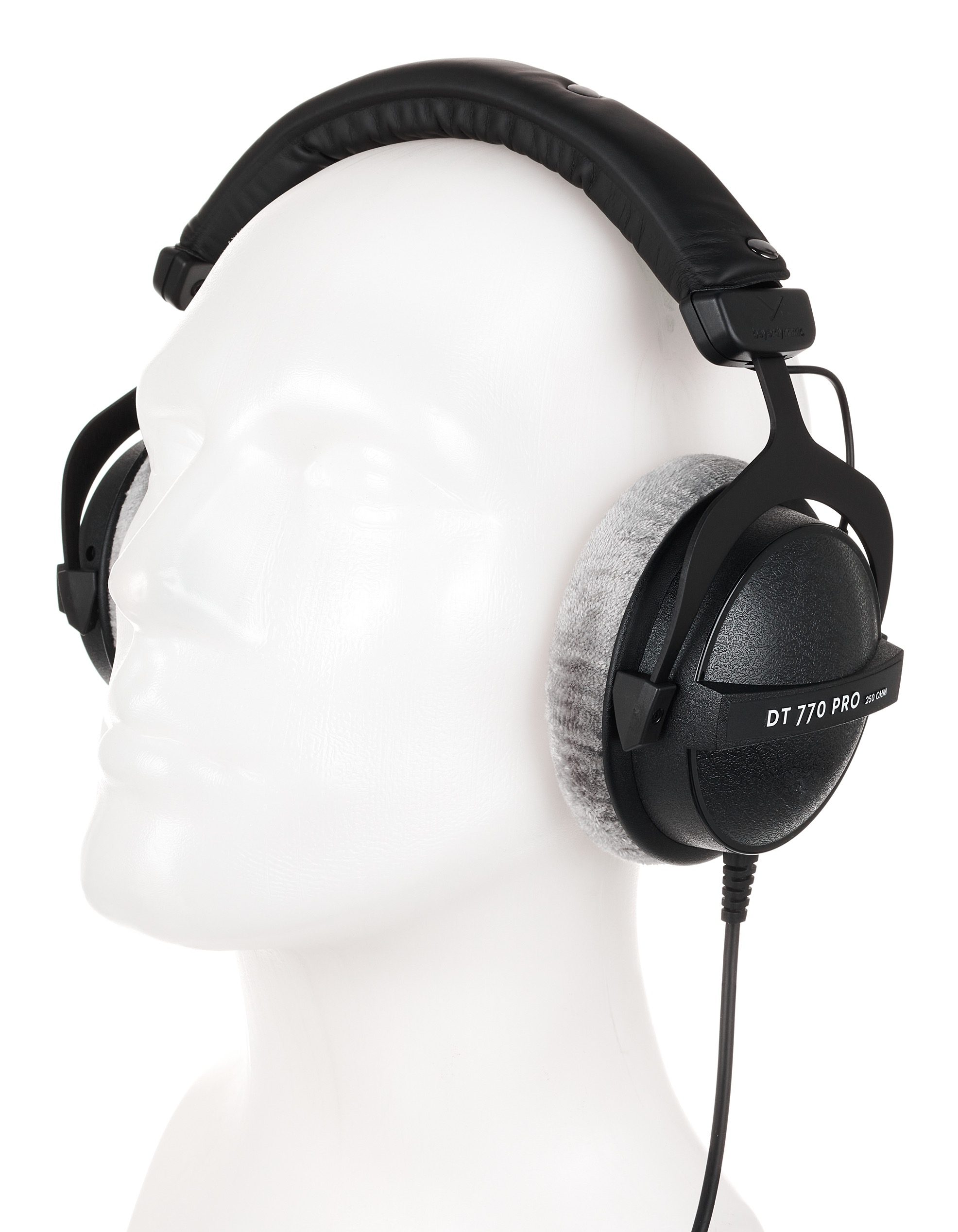
The Beyerdynamic comes in a purpose-built packaging without a lot of bells and whistles. There are three different basic versions: 32 Ohm, 80 Ohm and the 250 Ohm version tested here. For example, while the version with the lowest impedance is optimised for mobile use, this is the version for hi-fi and studio use. As you would expect from Beyerdynamic, the processing quality is very good, and from my own experience, I can say that it is very difficult to break the headphones.
Wearing comfort
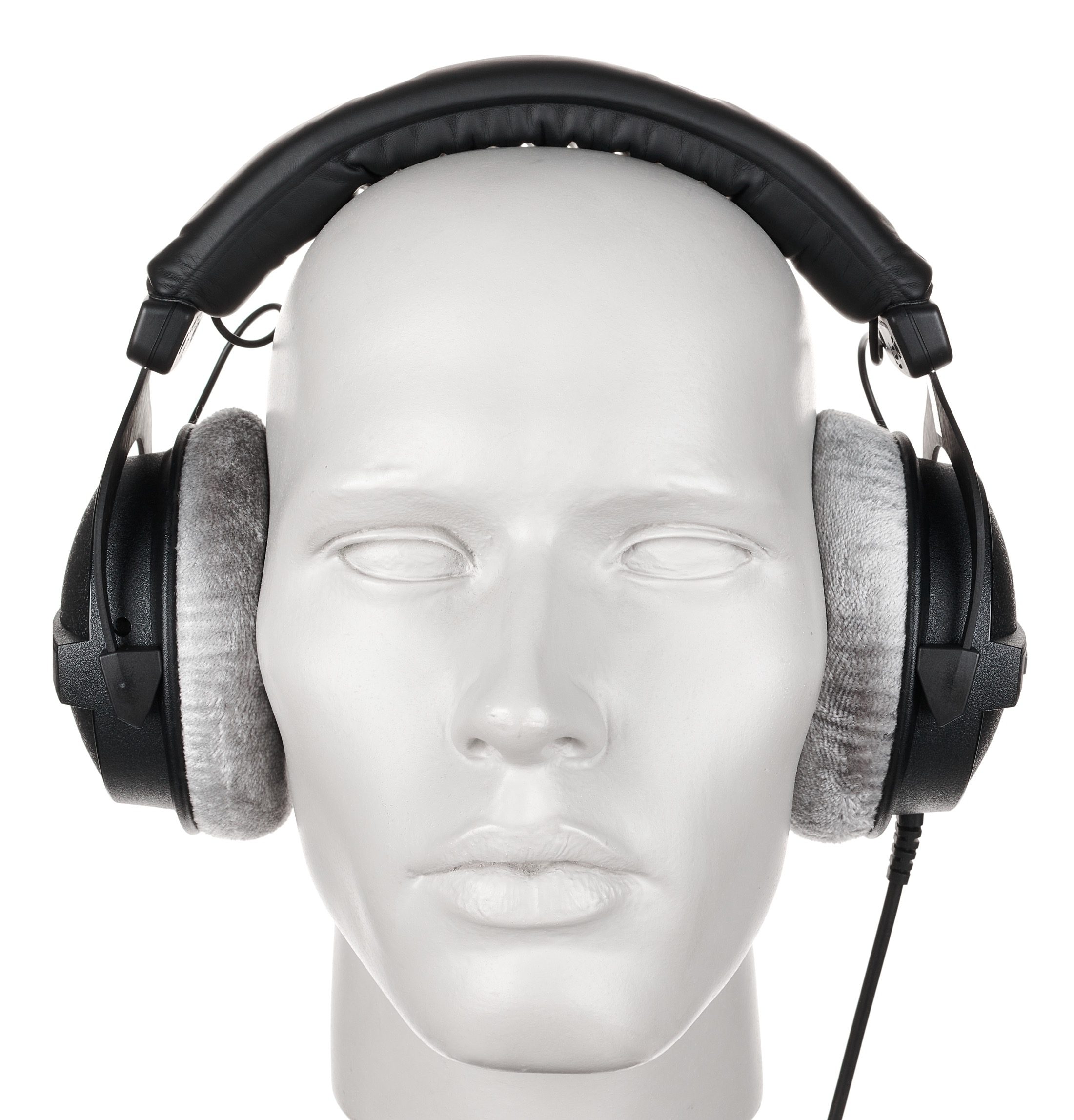
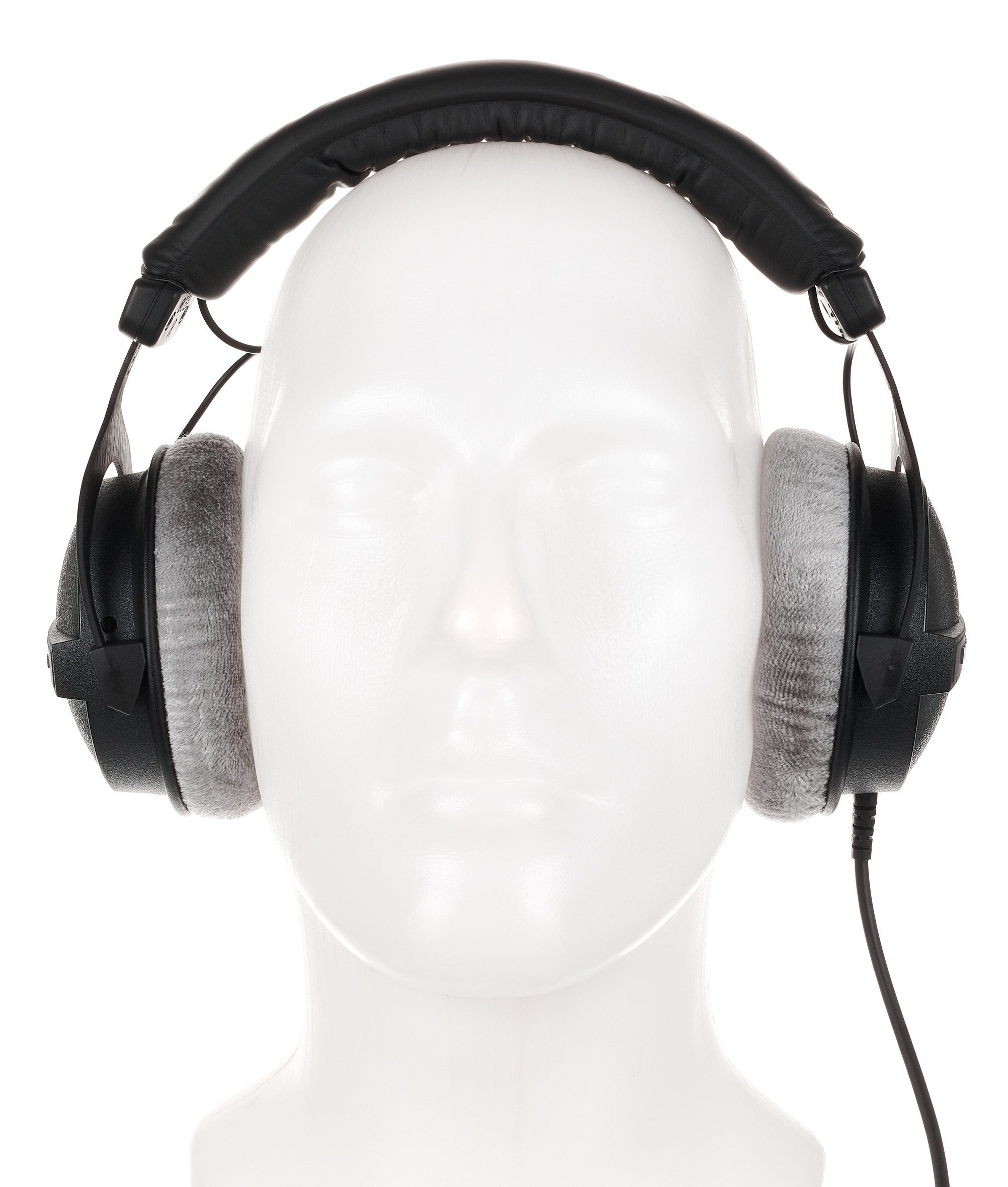
These headphones are very comfortable due to their velvety ear cushions and lightweight construction. I also know people who wear glasses, and the wearing comfort for them is also good.
Sound
The signature sound is clearly typical for Beyerdynamic: it has a pronounced bass range and a decent stereo base, but I don’t like the depth gradation very much. The stereo width, on the other hand, is good. The overall sound is always slightly compressed so if I had a wish, it would be that it was a bit more dynamic. The high-frequency range is unobtrusive and the midrange could take a bit more meat – although that’s just me being very picky. In that vein, I find that the bass range is trimmed to lower low-end and the upper basses are a bit too short. All in all, these are headphones with a trend towards hi-fi.
On a more positive note, the damping characteristics are good, which makes it a solid headphone for recording.
Conclusion
Affiliate links:
Prices marked with "*" are affiliate links. These advertising links help us finance our site. If you buy something through these links, we receive a small commission, but the price always stays the same for you. Thank you for your support!
Share Post:


About the author:

From
Jan Ohlhorst
Redakteur
Jan Ohlhorst is mastering engineer at finemastering. In addition to his studio work, he has a great interest for all kinds of speakers, room acoustics and headphones. He has been able to compare dozens of speakers, listening rooms and headphones over the years.