
In a nutshell
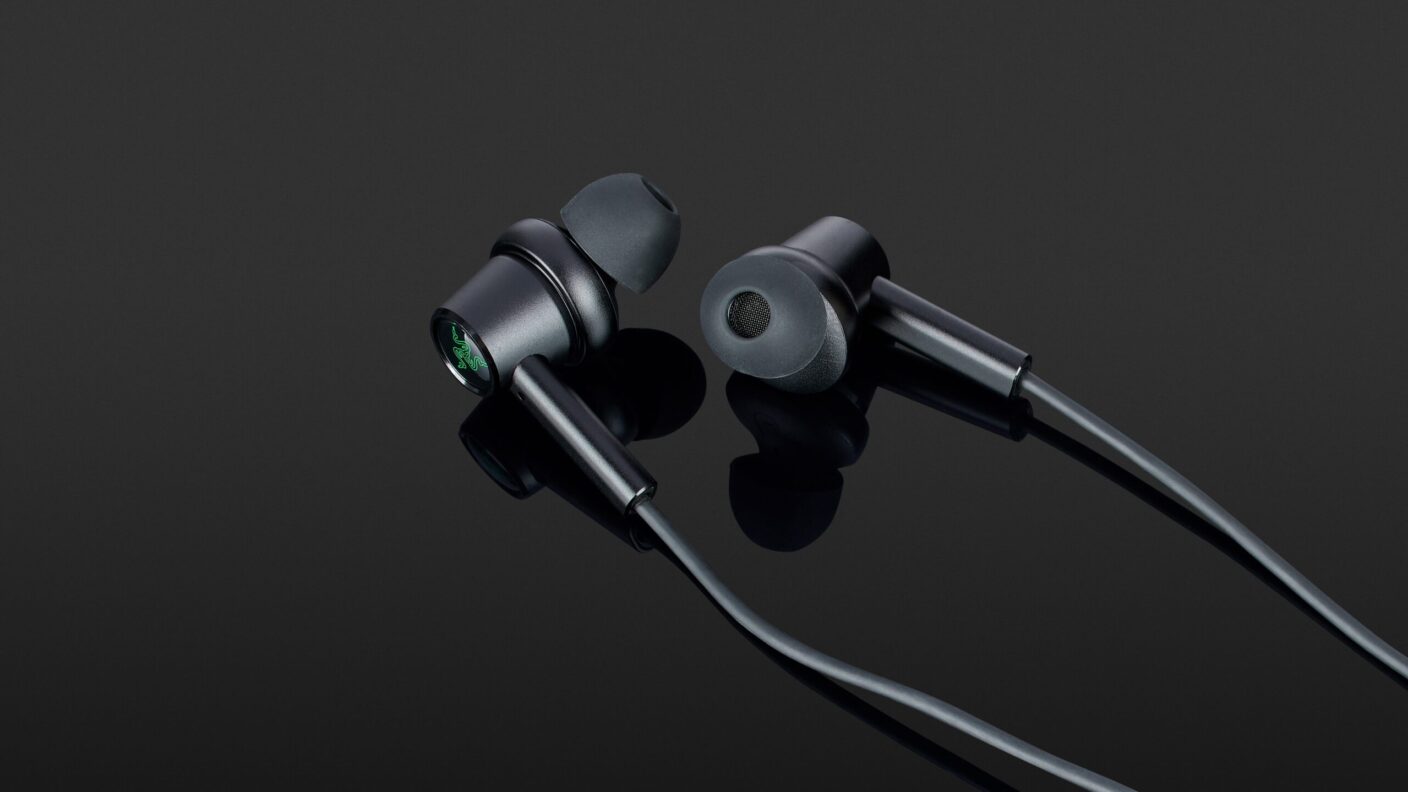
The Razer Hammerhead USB-C ANC leaves a mixed bag of feelings behind after testing. Hardware is of a high standard and quality, with the material composition particularly impressive. What’s more, these in-ears seem rather individual and authentically edgy with their unusual details and in-line remote. However, sound is still lacking a sense of warmth and fullness. Active noise control is unobtrusive, which would be deemed too minor for some some sound enthusiasts. In short, quality elements and a beautiful aesthetic are on show here, with some compromises when it comes to function and sound playback at a respectable volume. If you’re halfway serious about investing in these, it’s definitely worth trying a physical test of the product yourself.
Affiliate links:
Prices marked with "*" are affiliate links. These advertising links help us finance our site. If you buy something through these links, we receive a small commission, but the price always stays the same for you. Thank you for your support!
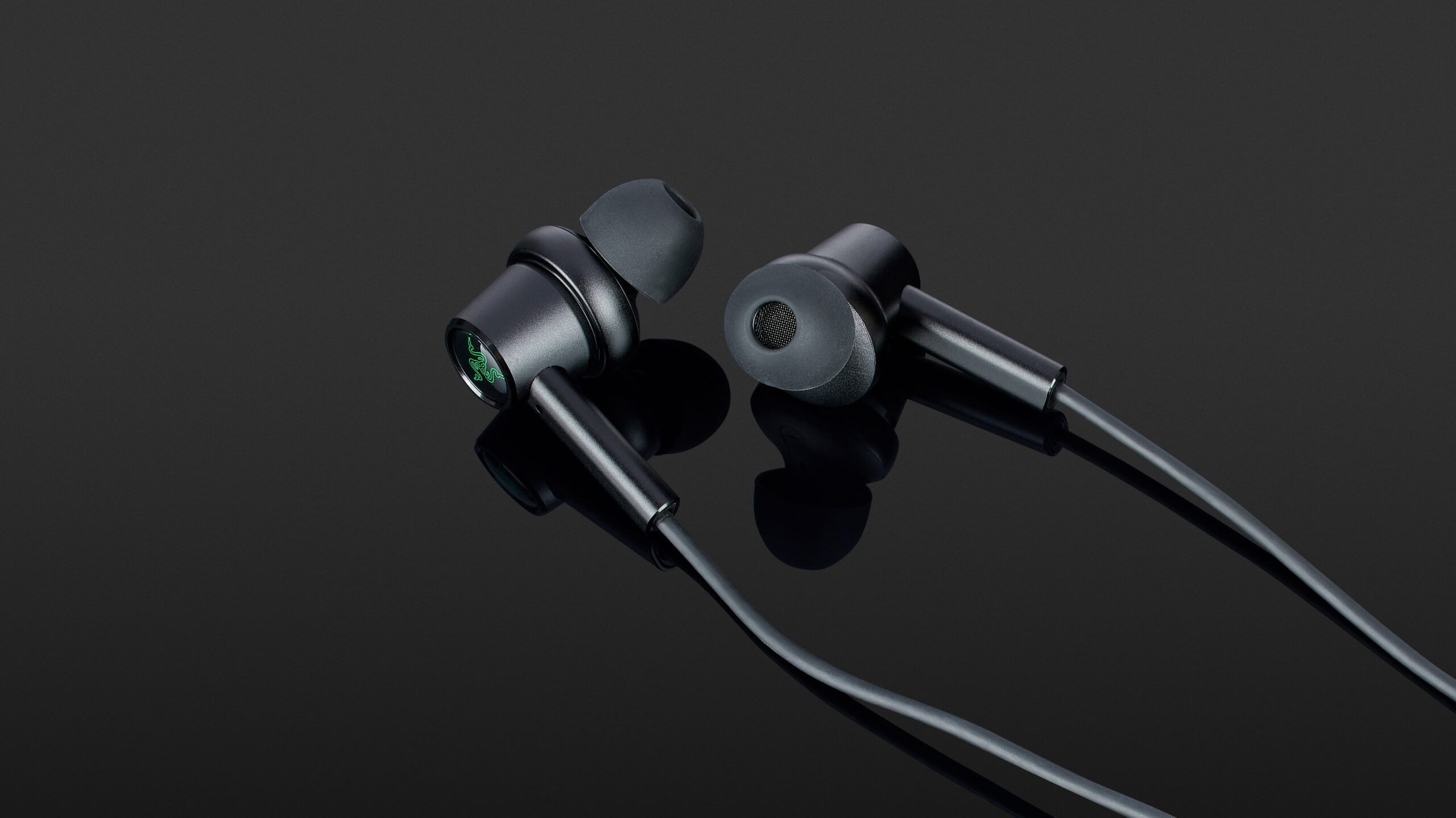
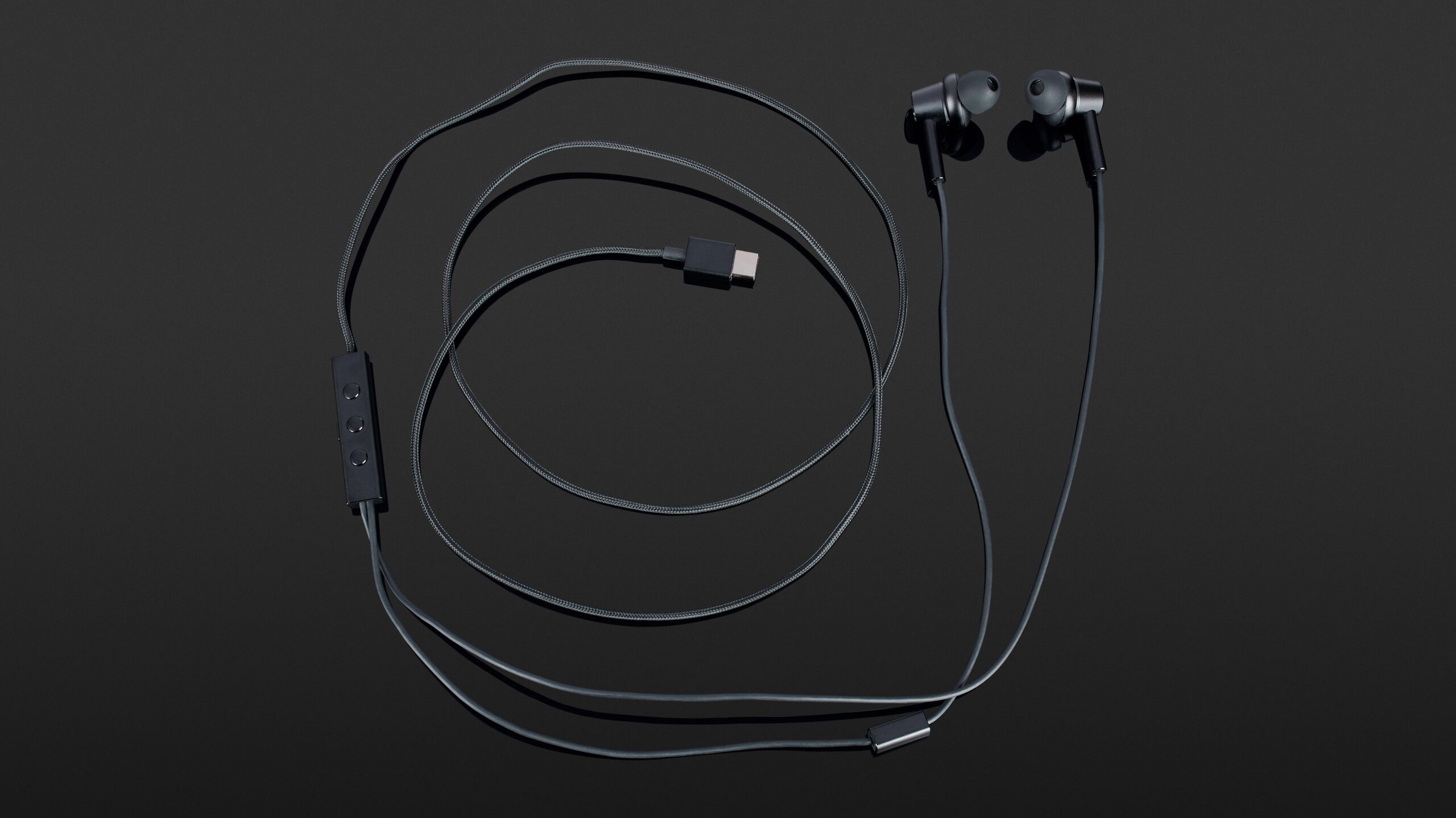
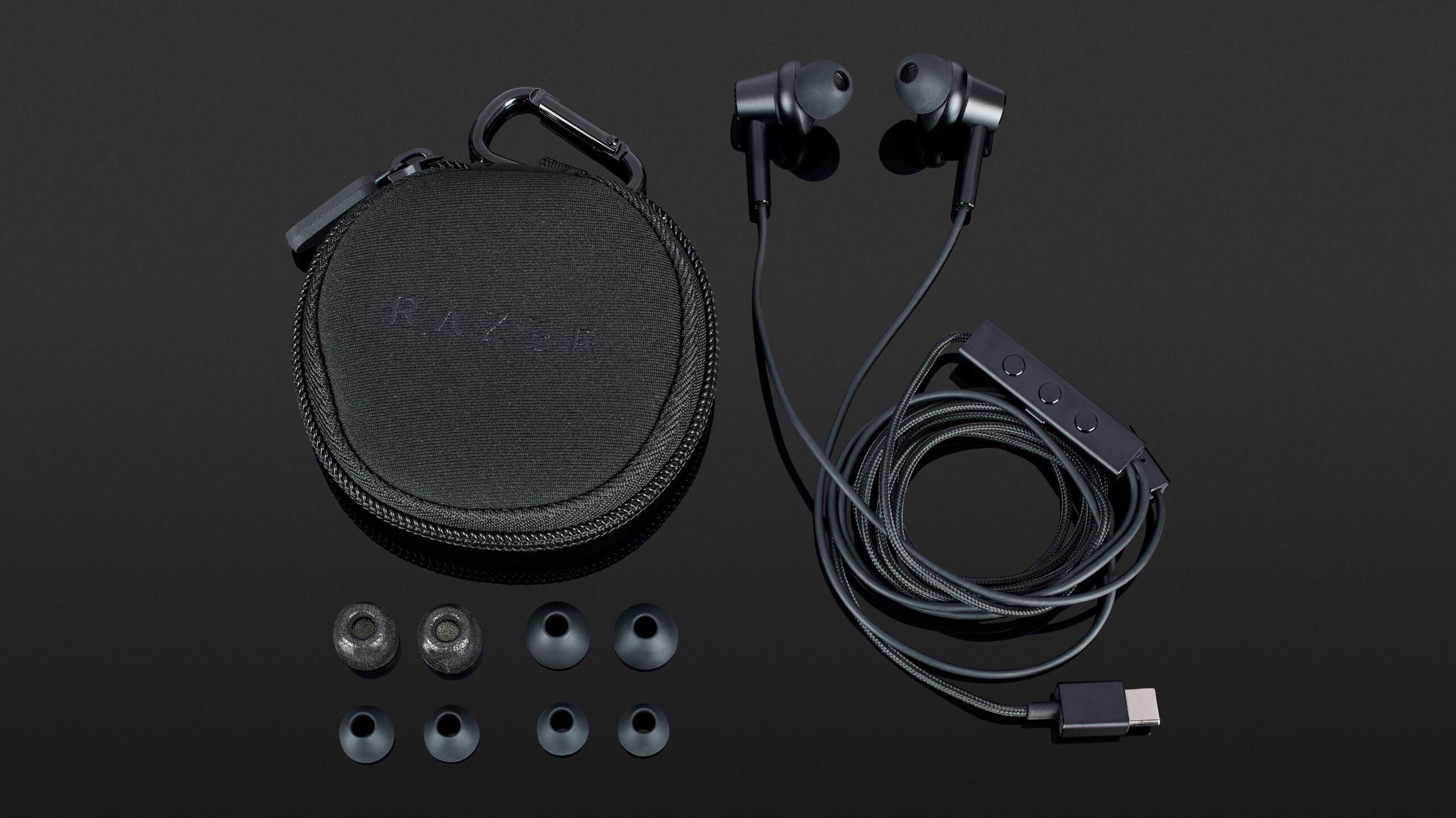
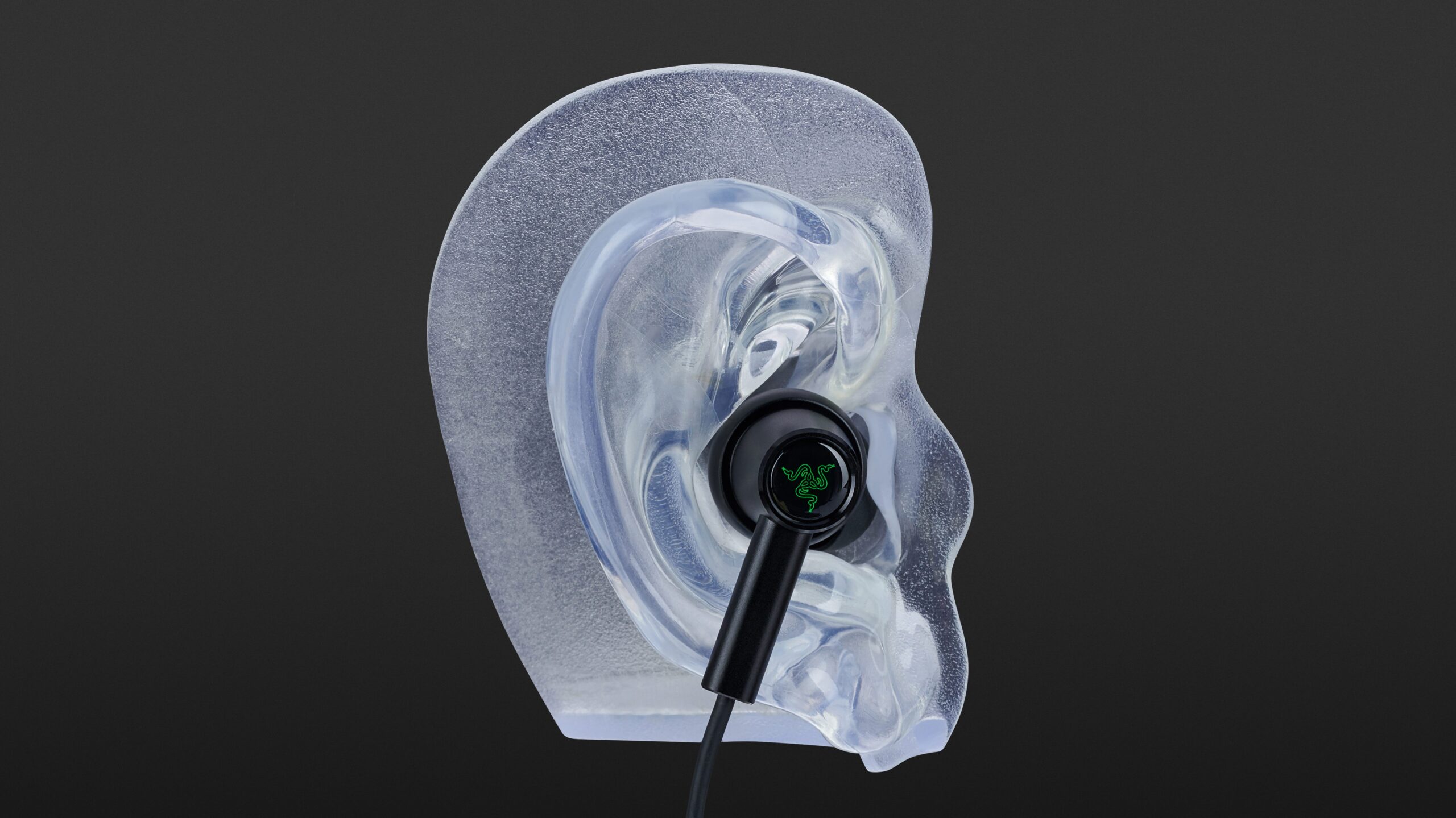
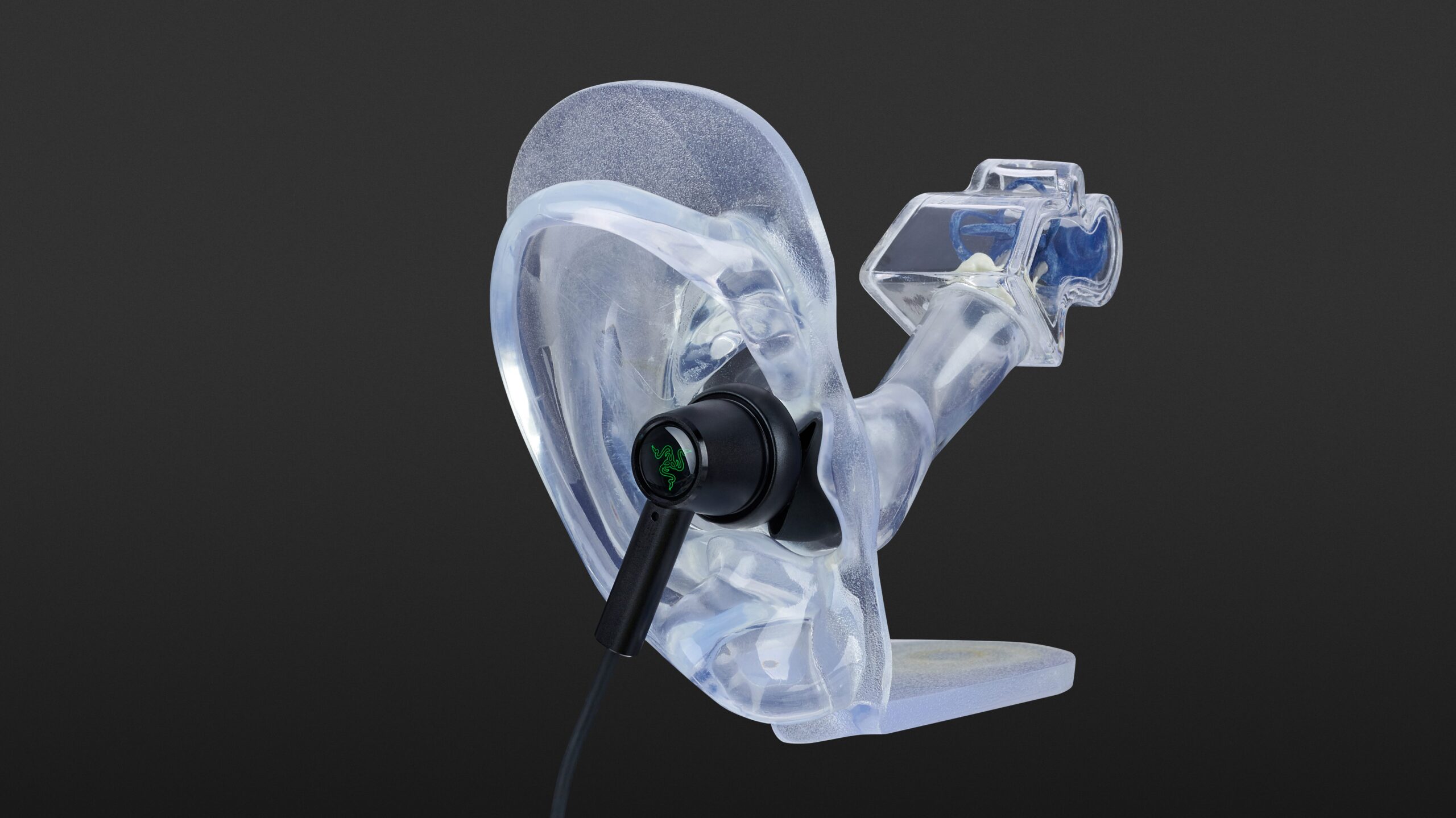
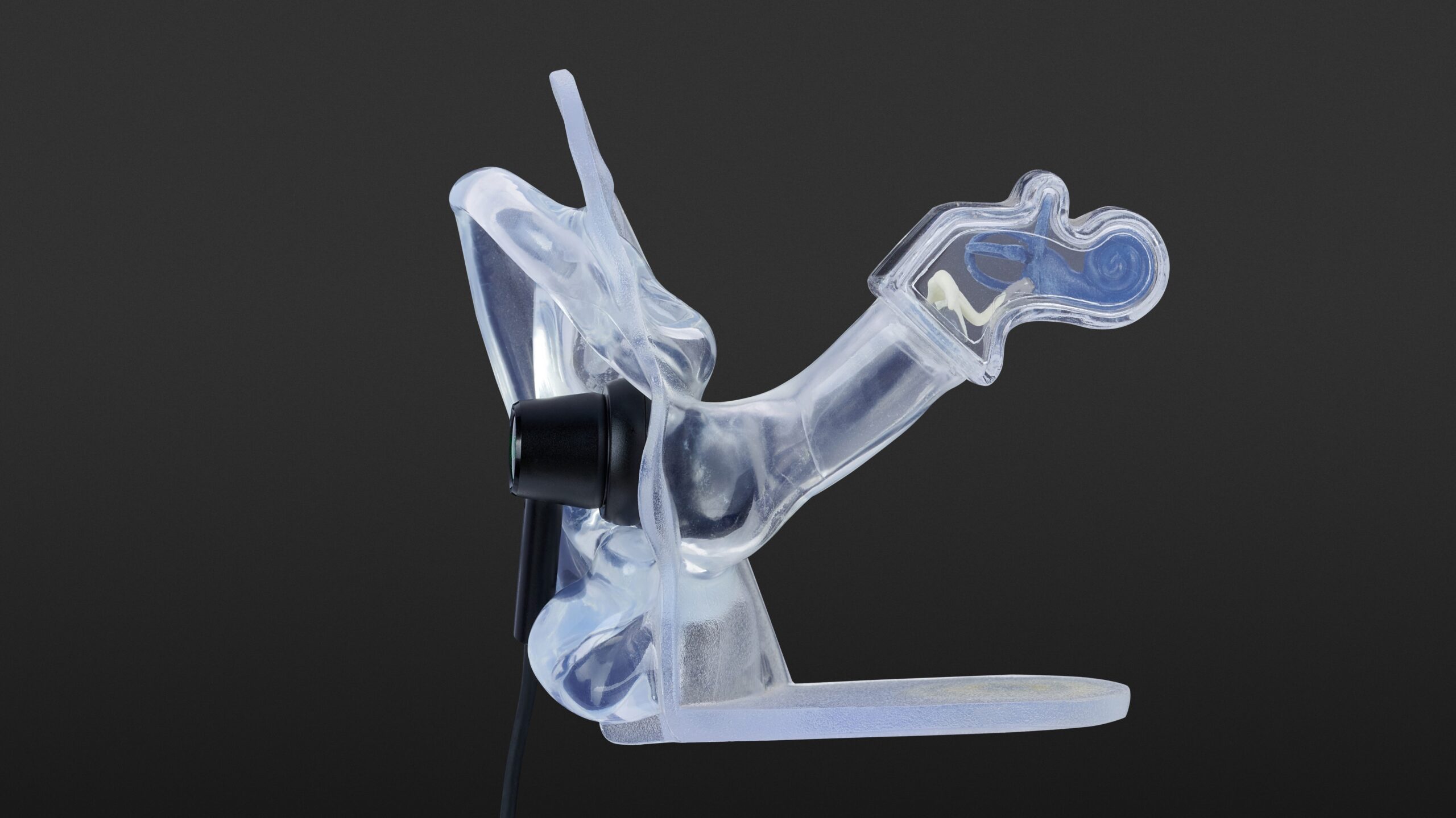
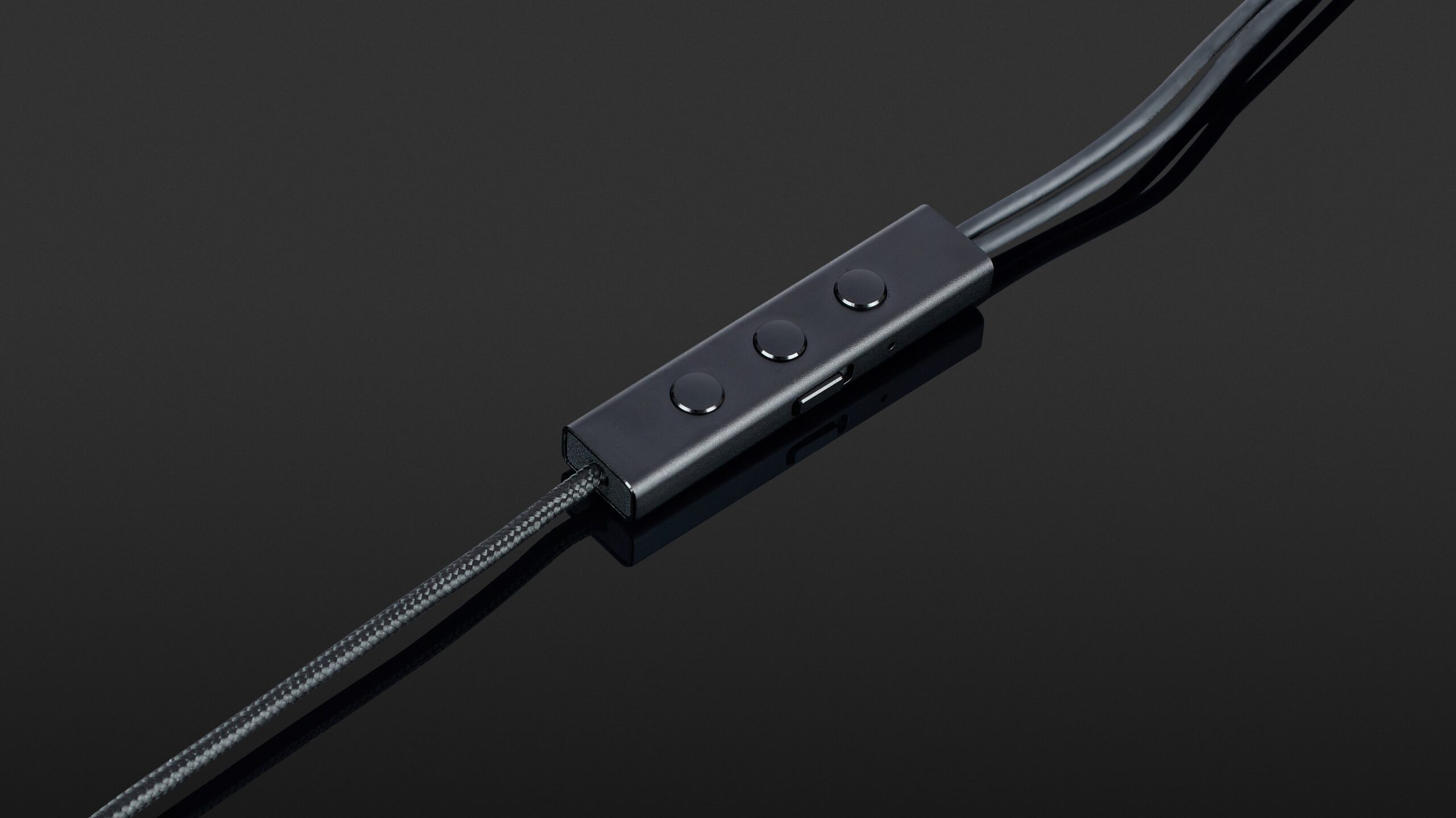
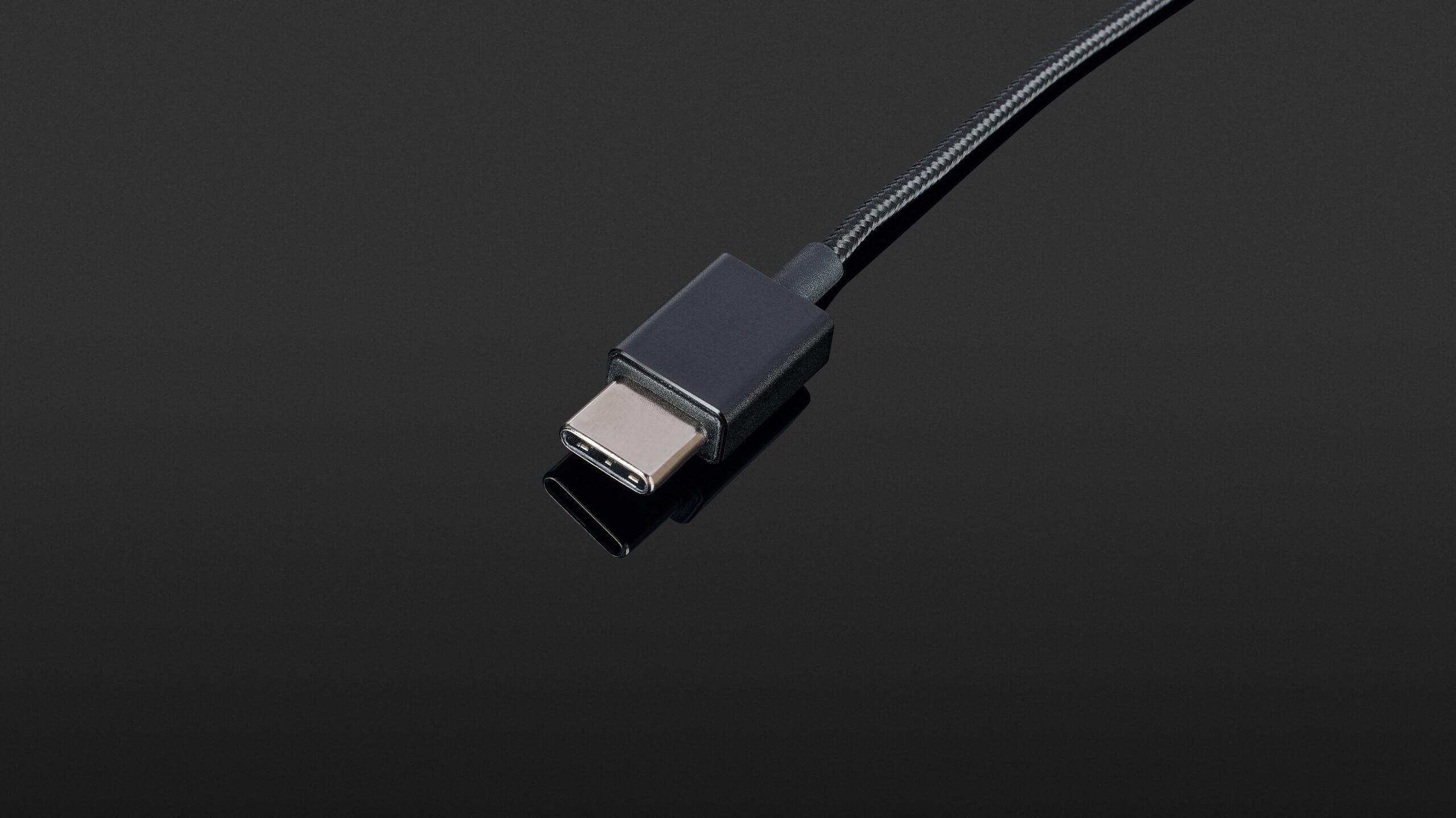
These Razer Hammerhead ANC wired headphones can be fired up via the USB-C port with all manner of devices, utilising active noise control control to minimise the intrusion of outside sounds. Don’t expect anything on par with over-ears in the noise control stakes, however.
The USB-C connection compatibility found here is very much welcome, especially for those who aren’t part of the iPhone crowd, with the synonymous Lightning cable proving an incompatible inconvenience for the Hammerhead. My first tests were carried out with a current generation MacBook Pro, with the results showing that the USB-C transfers music to the Hammerhead with no issue.
What’s Included?
The large green and black package contains the Hammerhead headphones, which are embedded safely within a foam inlay. What’s more, you’ll find a personal note from the CEO attached to them, explaining just how much we deserve these headphones.
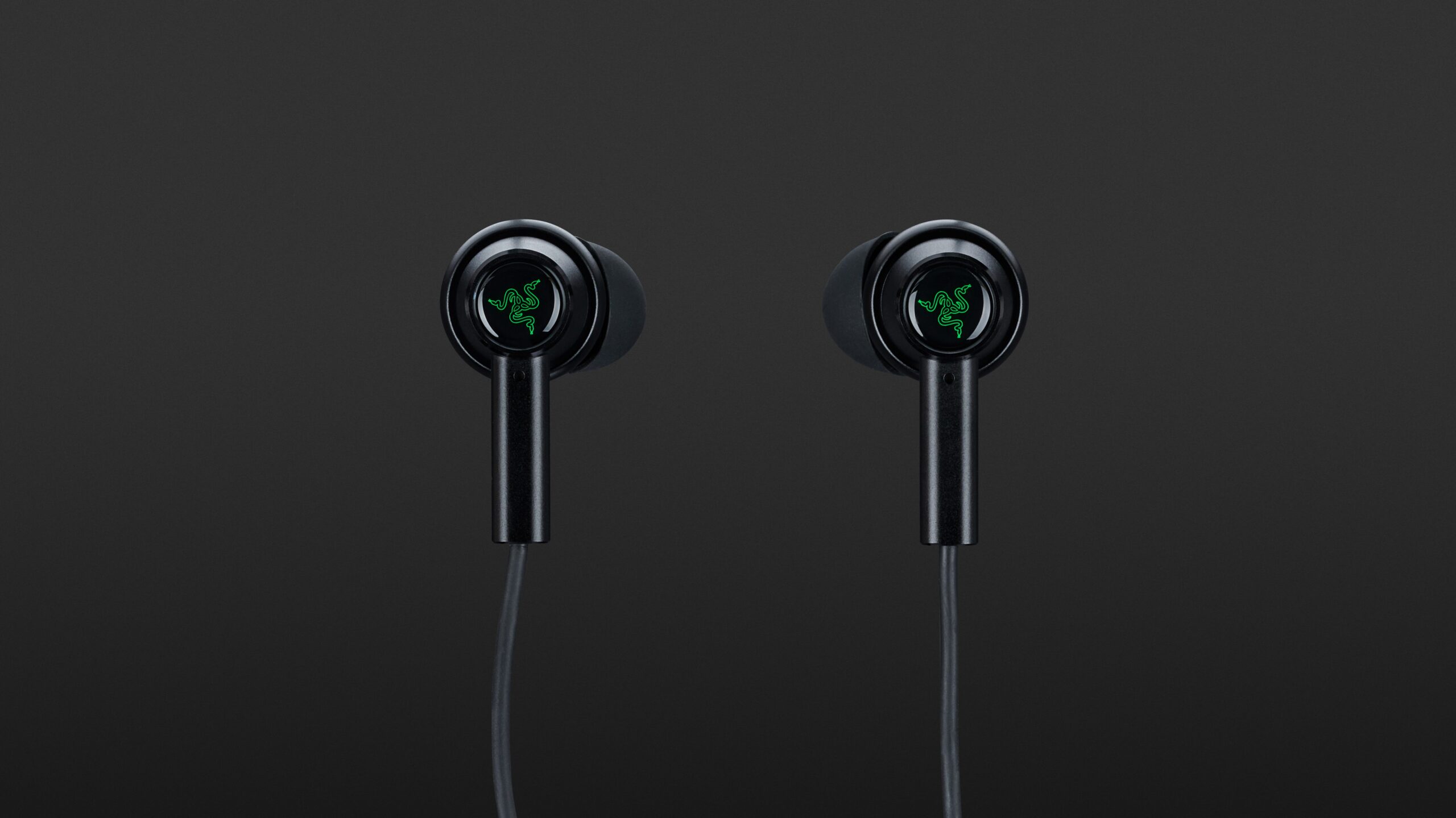
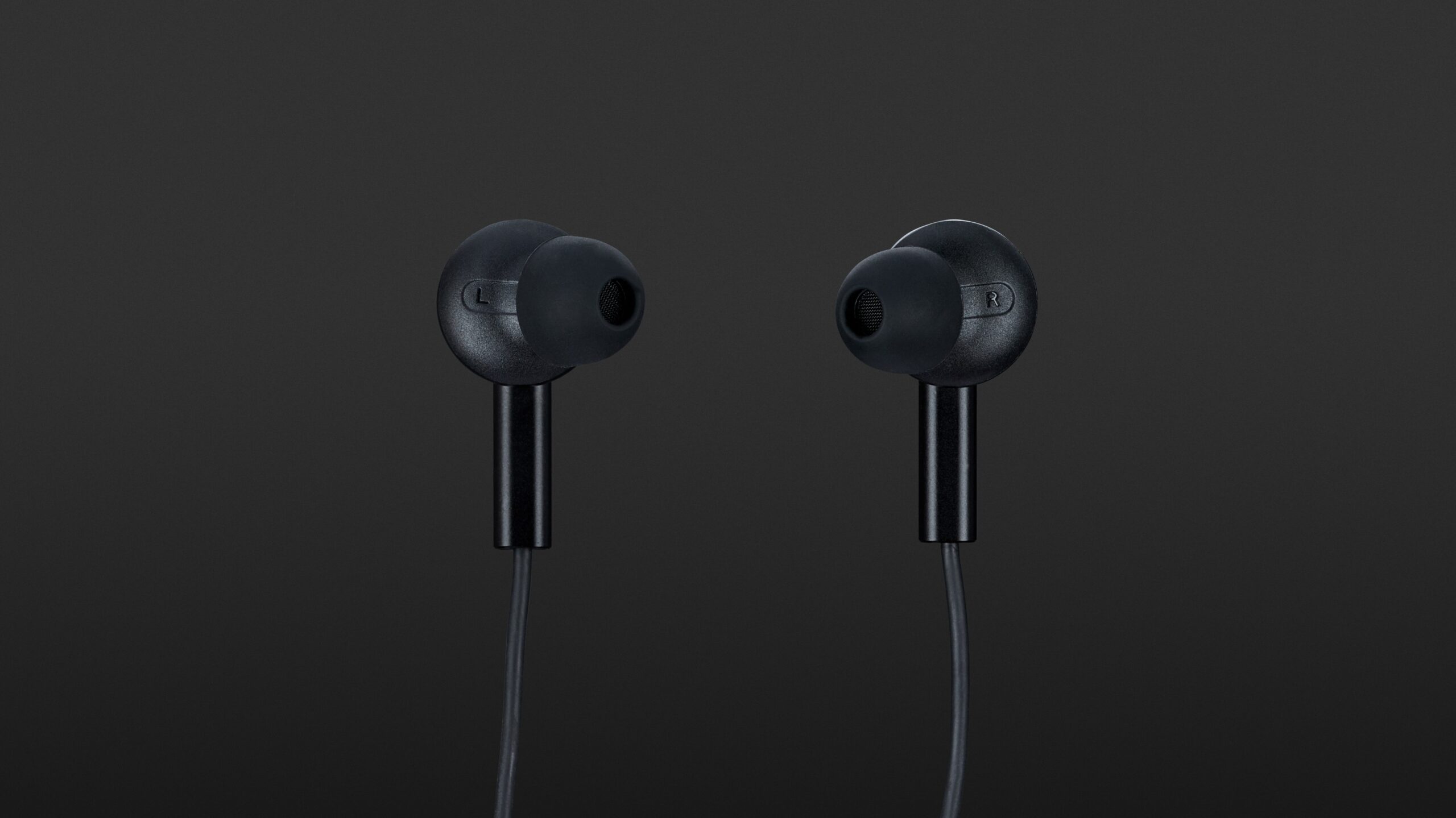
In addition to the in-ear headphones and cable, a round carry case is also included, with a clip to keep the cable firmly attached when listening on the go. You’ll also find four pairs of earmolds ranging in size from XS to L. These are made of silicone, bar one, which is made from Comply-Foam. This proved to be the most suitable option for me after several attempts at trying to fit the others into the ear canal securely, which in theory would help with ambient noise cancelling. The cable at the USB-C connector end is fabric-coated up to the in-line remote, with an overall impression of quality and longevity suggested. Behind the remote, the silicone cables siphon off into two strands, with one each heading to an audio driver. At the reverse, there’s the Razer logo, which oddly flares green as soon as the power is switched on and transmissions begin to flow. The material mix is a good one, specially the premium cable construction. However, the remote quickly became a nuisance, pulling downwards regularly. I also found myself instinctively reaching near to the earpieces for controls, which I fear many other users are likely to do as well. On the 3-button remote itself, there’s a switch for activating/deactivating noise cancellation, while a microphone can be found on the right cable.
Sound
Promised by the manufacturer is splendid sound, that’s apparently both rich and balanced thanks to the dual driver technology at work here. One dynamic driver deals with bass, while the other mid-ranges, while both drivers take on trebles.
My first listening session with these headphones struggles to completely uphold these claims. I found them to be lacking a bit of bass on the rise to the treble, with no fullness at all with the mid-range. Therefore, music comes across as too heavy with treble. However, when you opt for bass-boosting EQ, low frequencies are allowed to shine. But for the mids, there’s simply too little contributing to quality sound output. If I’m after more electronic music enjoyment, for example, I find the lack of depth and warmth a real problem.
There is no lack of volume to savour here, with the stereo image pleasantly wide and a good sense of transparency and depth. Overall though, sound remains quite unbalanced. I finally tested these Hammerhead in-ears with an Android phone, which also offers USB-C connection, and once found the basses leads too quickly and easily into the highs. It might sound like a technical criticism, but the fact is that it will benefit some music genres, yet severely dampen enjoyment of others.
Active Noise Control
ANC with in-ears is always a welcome addition, although here the rather slim design of the earmolds mean that intrusion of outside noise into the ear canal is unavoidable. This is true of similar models from other manufacturers as well, even if the molds themselves fit tightly. The ANC features of these Hammerhead in-ears are cautious in their approach to things here, with a slight increase in noise level that’s noticeable during quieter moments. Outside noise is minimised, with the low frequencies falling much more silent. Nevertheless, that strong isolation effect associated with low pressure in the ear canal is present here. Some may see this is as to be expected and adequate enough, while others may demand more for their money.
Conclusion
Affiliate links:
Prices marked with "*" are affiliate links. These advertising links help us finance our site. If you buy something through these links, we receive a small commission, but the price always stays the same for you. Thank you for your support!
Share Post:


About the author:

From
Sven Opitz
Editor
Sven Opitz, born in 1971, is a film maker with his own company. For some reason he has a penchant for headphones, the cause may well be deep in a past where a pretty headphone with yellow foam hung next to his father's UHER Variocord tape recorder. Now at kopfhoerer.de and headphonecheck.com, he connects his childhood with his ears.